For hundreds of years, society has been greedy. So much so that we are living in a world of scarce resources. The readings this week led me to think that no matter how much we have, we are never truly satisfied.
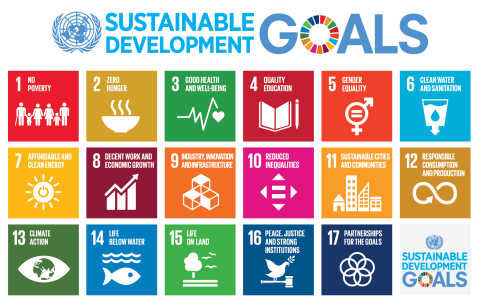
The United Nations Sustainable Development Goals (SDGs) call for collaboration amongst countries to address the three dimensions of sustainable development - economic growth, environmental sustainability, and social inclusion. This blog posits that through establishing a transdisciplinary approach and mapping a network of information sharing, we can accelerate our progress towards the SDGs.
In ecological sociology, there are two predominant theories that attempt to explain the relationship between technological advancement and environmental degradation: ecological modernization and the treadmill of production.
The United States government is built on a framework crafted by wealthy, slave owning, colonizing white men. Lack of inclusion and oppression of traditional and indigenous communities in government has led to dysfunction in both human and natural systems. Traditional environmental knowledge (TEK) offers local stewardship knowledge learned over generations.
From the industrial era on into the internet age, building reliable oversight of ecosystems has meant challenging received wisdom – and trying not to fall ever further behind.
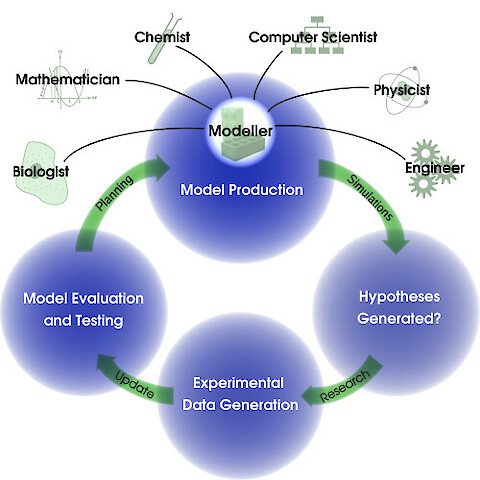
Yanyu Wang, a first-year PhD student in the Environment and Society foundation of the MEES program, describes how using transdisciplinary research is critical to achieving sustainability.
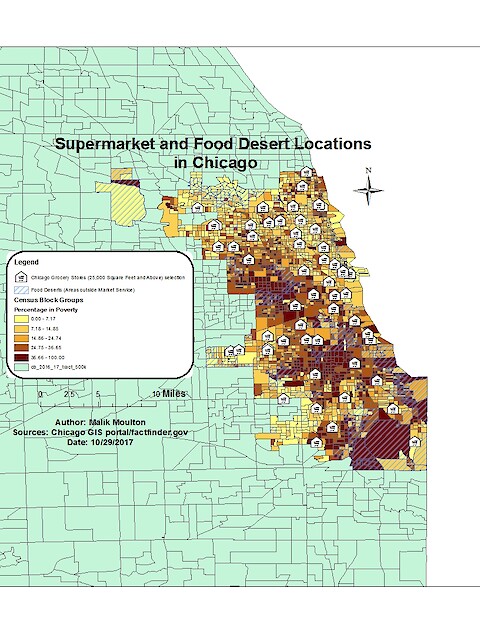
Nicholas Dawson, a first year PhD student in the Environment and Society foundation of the MEES program, describes food deserts within the scope of environmental justice.
Shuyu Jin, a first year PhD student in the Environment and Society foundation of the MEES program, writes about resilience in relation to sustainable development.
Imani Black, a first-year master's student in the Environment and Society foundation of the MEES program, describes the intersection between science and social media.