IAN is committed to producing practical, user-centered communications that foster a better understanding of science and enable readers to pursue new opportunities in research, education, and environmental problem-solving. Our publications synthesize scientific findings using effective science communication techniques.
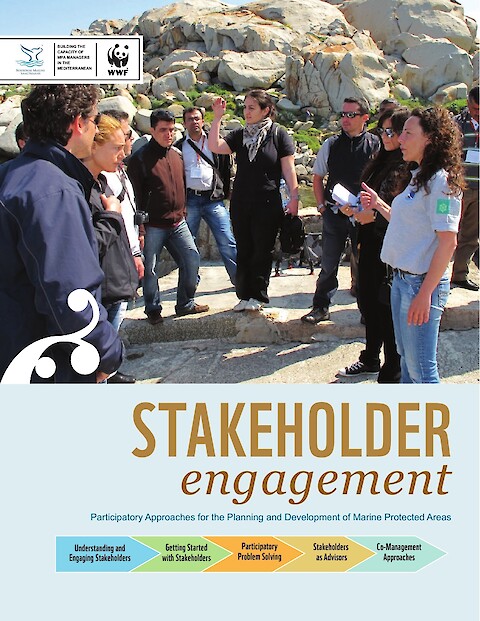
Stakeholder Engagement (Page 1)

Stakeholder Engagement

Walton A, Gomei M and Di Carlo G ·

The participatory engagement of stakeholders is perhaps the most important component of the planning and development of an MPA. Meaningful engagement depends on the ability of practitioners to build a healthy, lasting, and trustful relationship with stakeholders, including local communities. The approaches described in this guidebook are intended to help practitioners navigate this process of stakeholder engagement.

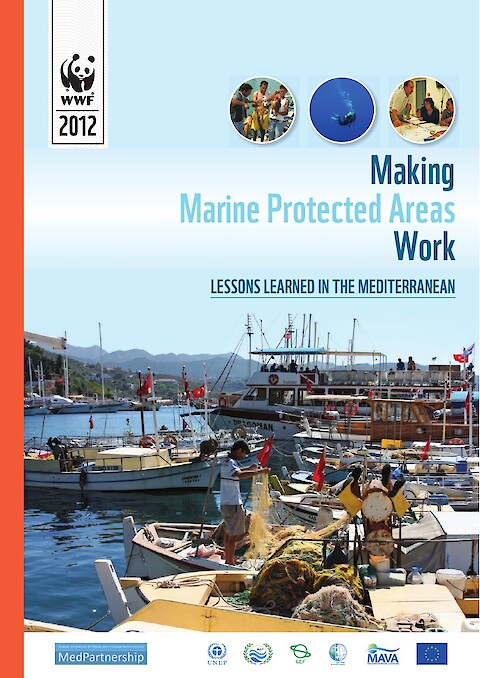
Making Marine Protected Areas Work (Page 1)

Making Marine Protected Areas Work

Jane Hawkey, Simon Costanzo ·

Early engagement with local communities and regional and national officials are essential to the capacity and efficiency of marine protected areas (MPAs). This WWF MedPAN South report, along with the Marine Protected Areas: Guiding Principles and Benefits newsletter, identifies lessons learned in case studies from 5 countries with MPAs in the southern and eastern Mediterranean.

Making Marine Protected Areas Work (Arabic) (Page 1)

Making Marine Protected Areas Work (Arabic)

Jane Hawkey, Simon Costanzo ·

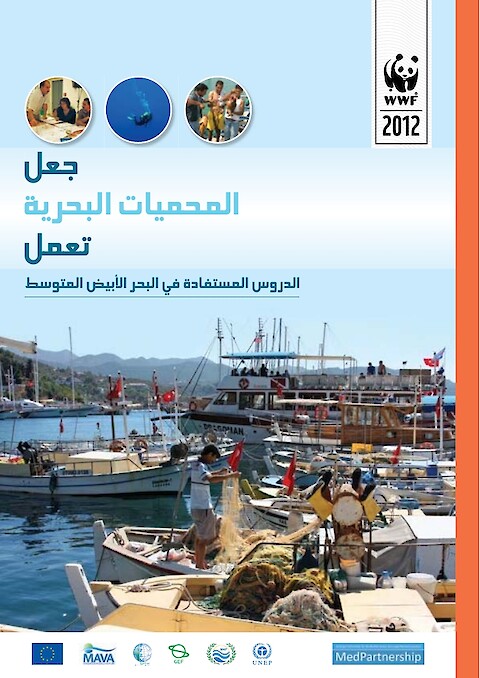
Early engagement with local communities and regional and national officials are essential to the capacity and efficiency of marine protected areas (MPAs). This WWF MedPAN South report, along with the Marine Protected Areas: Guiding Principles and Benefits newsletter, identifies lessons learned in case studies from 5 countries with MPAs in the southern and eastern Mediterranean.

Making Marine Protected Areas Work (French) (Page 1)

Making Marine Protected Areas Work (French)

Jane Hawkey, Simon Costanzo ·

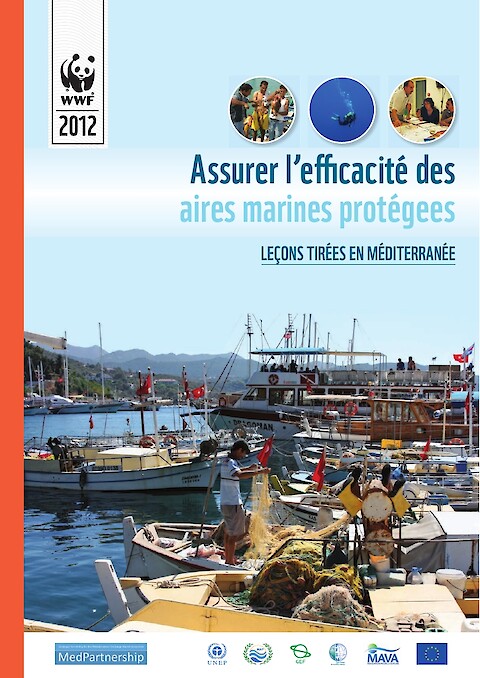
Early engagement with local communities and regional and national officials are essential to the capacity and efficiency of marine protected areas (MPAs). This WWF MedPAN South report, along with the Marine Protected Areas: Guiding Principles and Benefits newsletter, identifies lessons learned in case studies from 5 countries with MPAs in the southern and eastern Mediterranean.

Marine Protected Areas (Page 1)

Marine Protected Areas

Jane Hawkey, Simon Costanzo ·

Marine Protected Areas (MPAs) are slices of the sea and coastline set aside because of their ecological importance. Creating an MPA requires a holistic approach that includes and integrates ecological, biological, social, and economic considerations. This approach cannot be successful without proper legislation, a functional institutional framework, financial resources, and active engagement of stakeholders.

Marine Protected Areas (Arabic) (Page 1)

Marine Protected Areas (Arabic)

Jane Hawkey, Simon Costanzo ·

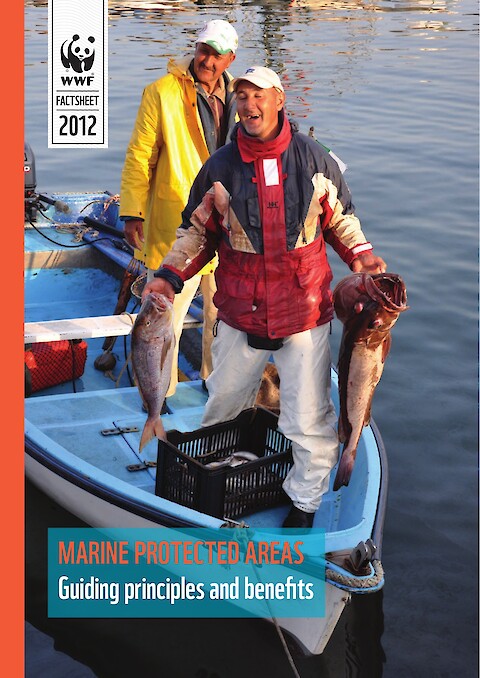
Marine Protected Areas (MPAs) are slices of the sea and coastline set aside because of their ecological importance. Creating an MPA requires a holistic approach that includes and integrates ecological, biological, social, and economic considerations. This approach cannot be successful without proper legislation, a functional institutional framework, financial resources, and active engagement of stakeholders.

Marine Protected Areas (French) (Page 1)

Marine Protected Areas (French)

Jane Hawkey, Simon Costanzo ·

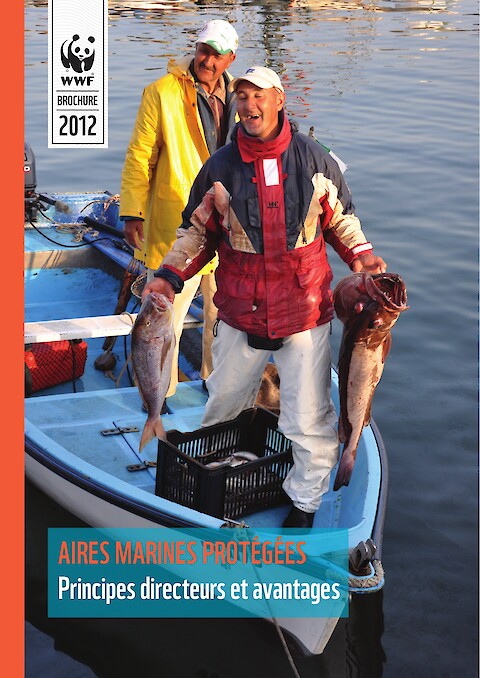
Marine Protected Areas (MPAs) are slices of the sea and coastline set aside because of their ecological importance. Creating an MPA requires a holistic approach that includes and integrates ecological, biological, social, and economic considerations. This approach cannot be successful without proper legislation, a functional institutional framework, financial resources, and active engagement of stakeholders.