

Lessons from Canadian Coastal Adaptation
Lili Badri ·In early July, I had the pleasure of visiting Pugwash, Nova Scotia to attend a three-day meeting about coastal adaptation. The meeting was hosted by the Thinkers Lodge and Future Earth Coasts, building on two previous meetings at the Lodge in 2024 and 2025. See Heath Kelsey’s blog post to learn more about the 2025 meeting.
This year’s meeting consisted of fourteen experts spanning academia and non-profits from Canada, Mexico, and the United States. The meeting focused more on the Atlantic Canada region since all of the Canadian participants reside in the area and could offer greater insight about the extent of changes they have seen to their coasts and the responses, or lack thereof.
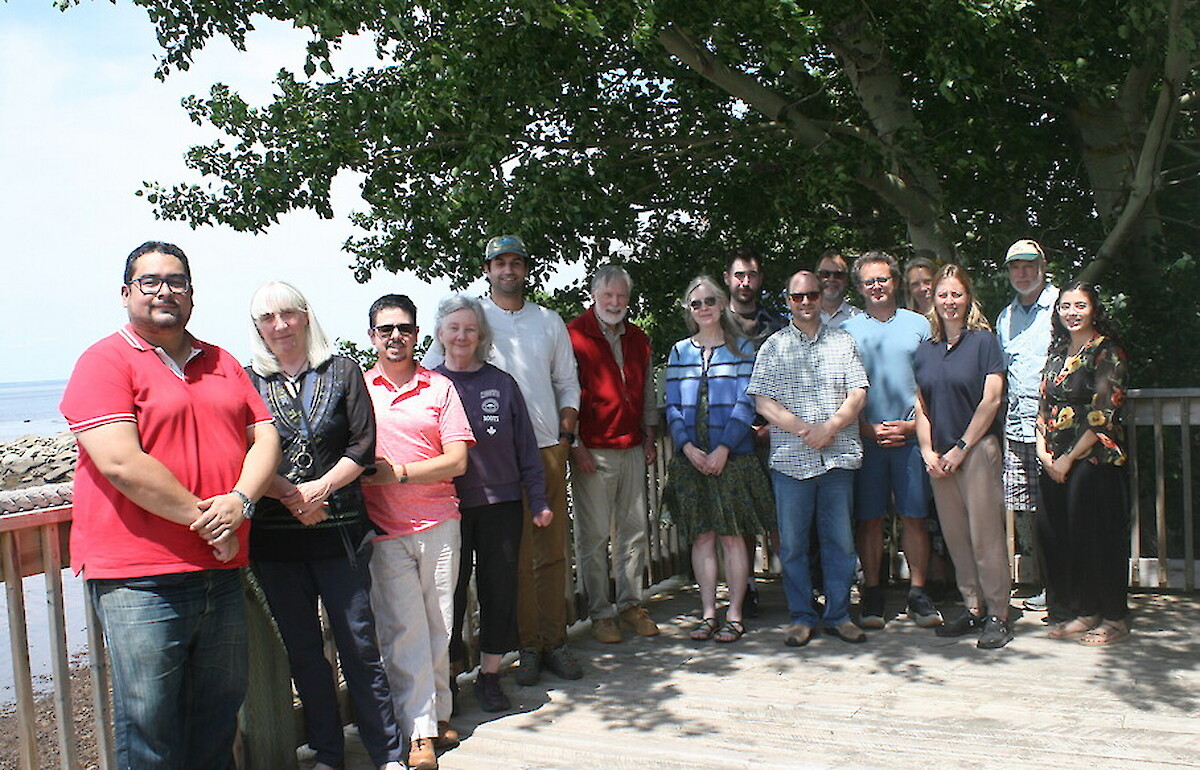
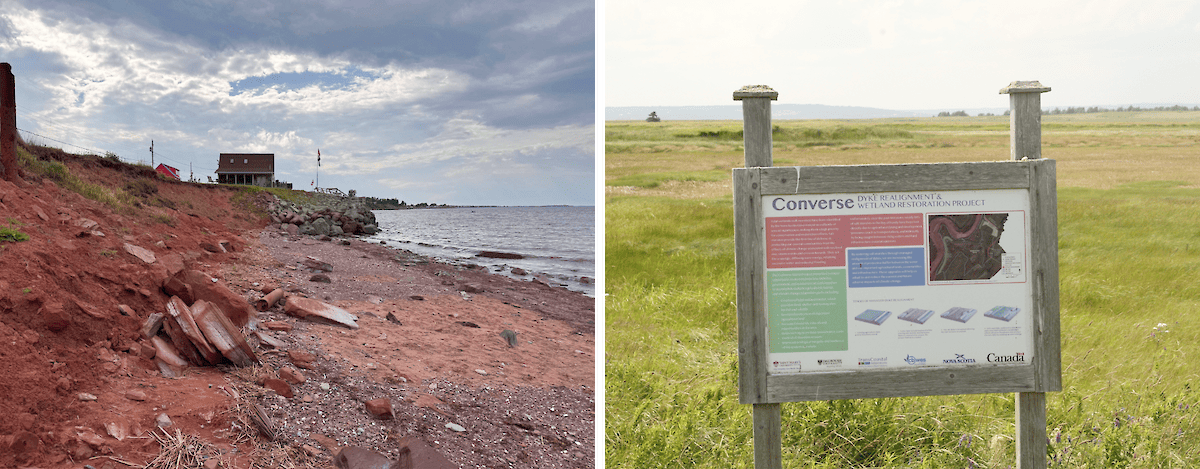
The conversations during the week were very insightful and helped me learn more about the issues facing the coasts of Atlantic Canada. Like many other coastal areas, Canada is contending with erosion, flooding, and sea level rise. During the trip, we saw several examples of shoreline erosion, along with responses by nearby property owners, primarily through the installation of boulders. While these hardened shoreline structures may buy some time, they are not a long-term solution. They are costly, unable to effectively absorb wave energy, lack support for intertidal species, and lack adaptation to changing conditions. A shift in mindset towards nature-based solutions like living shorelines is needed, but that will require adequate communication of those alternatives and their benefits to the public and policy-makers.
We also learned about the vulnerability of Nova Scotia’s dykelands to climate change and got to see a few dykes during our field trips. With increased storm intensity and high tide flooding events, these dykes are easily breached and unable to protect nearby properties as expected. An adaptation measure to address these failing dykes involves their realignment paired with the addition of restored tidal wetland to help drastically with flood mitigation. Similar to a living shoreline, this alternative supports wetland species diversity while possessing the flexibility to adapt to a constantly changing coast.
These adaptation projects, especially those that aim to fix poor or outdated practices, require a significant amount of time and money. In addition to monetary investment, adaptation measures need robust and strategic planning, cross-sectoral collaboration, and support for frontline communities. Our discussions touched on how government is often slow to respond to climate change issues, which often burdens communities with a sense of powerlessness.
We discussed the need for alternative management structures that are detached from the cyclical nature of politics. During this conversation, I immediately thought of the Charles County Resilience Authority as a case study for a unique approach to climate change governance. The key takeaway was that out-of-the-box thinking is needed for tangible progress, whether it be the creation of a new model or simply increasing capacity for existing organizations that have a pulse on a community’s needs.
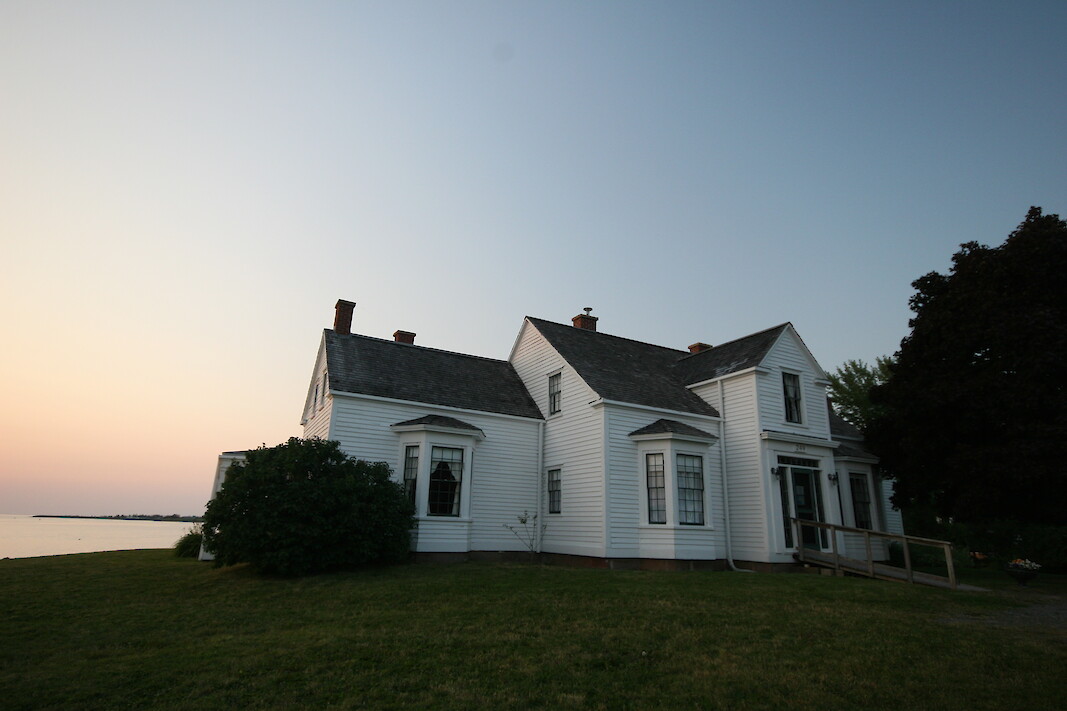
A particularly difficult aspect of coastal adaptation is the need for managed retreat as areas become uninhabitable in the future. I feel for those who have lived close to the coast for many generations having to face the fact that they have to say goodbye to their homes and relocate elsewhere. I think about how close the Thinkers Lodge is to the eroding coastline, and how it will be impacted by these inevitable processes. How can we best preserve our history while we can? How can we lean on each other to get through these tough changes? These are some of the questions we have to sit with and incorporate into our adaptation and resilience planning.
I think an important point participants made throughout the week was the fact that humans have always adapted to their changing world; we have always had to work with nature. This is just another instance where we must work together to face these challenges, and we should focus on what we can control. I really appreciated this reminder throughout my time in Nova Scotia and believe this is a key message of hope for a future under climate change. I also think the emphasis on working together is critical because everyone truly has a role to play towards building adaptation. We should not feel that we have to do everything, but the work we do in our “niche” can have synergistic effects.
The discussions from this meeting have been distilled into a report that we hope can help people navigate a variety of coastal adaptation topics.
About the author
Lili Badri

Lili is a Senior Science Communicator at the University of Maryland Center for Environmental Science’s Integration and Application Network (IAN). Her work at IAN focuses on the synthesis and dissemination of scientific information through data analysis, visualization, and stakeholder engagement. She collaborates within and across disciplines to develop accessible communication products that support evidence-based decision-making. Her professional interests include enhancing science communication practices and understanding community perspectives to support sustainable and informed environmental solutions. She earned a Master's degree in Environmental Science at SUNY ESF and a Bachelor's degree in Chemistry at the University of South Alabama. Her previous research focused broadly on lab and field analysis of dissolved organic matter characterization and dynamics. Her personal interests include gardening, reading, and cooking.