

Training the Next Generation of Environmental Scientists
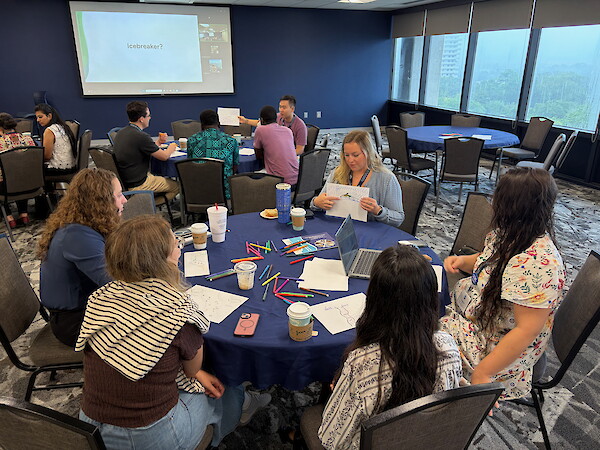
On August 7th, Heath Kelsey and Sidney Anderson facilitated a workshop on Science Communication and Stakeholder Engagement for the Society of Environmental Toxicology and Chemistry Young Environmental Scientists (SETAC YES) meeting at the University of South Carolina in Columbia, SC. Attendees participated in activities to help focus a project's message for a particular audience and to identify connections between groups when facilitating an engagement event. Activities like these help to strengthen the impact of a project and ensure valuable stakeholder input is captured.
2026 Chesapeake Monitoring Cooperative In-Person Meeting
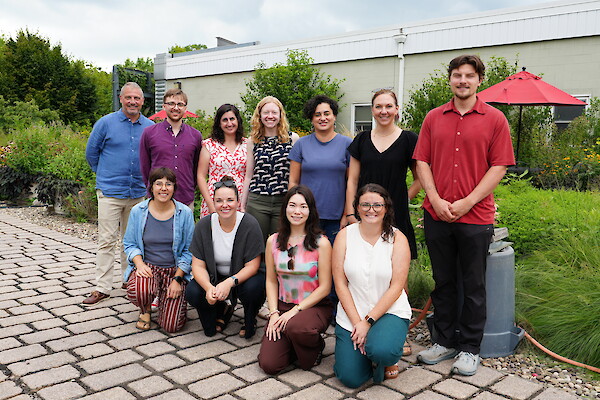
On August 18th and 19th, Alexandra Fries, Ann Foo, and Sidney Anderson attended the annual in-person meeting for the Chesapeake Monitoring Cooperative. This meeting brings together partners from Virginia, Maryland, and Pennsylvania to discuss wins and accomplishments from the last year, and determine goals for the upcoming year of water monitoring. This year's meeting covered ways to engage more with partner organizations and improve the tier determination for data reported to the project.
Welcome, Meena!
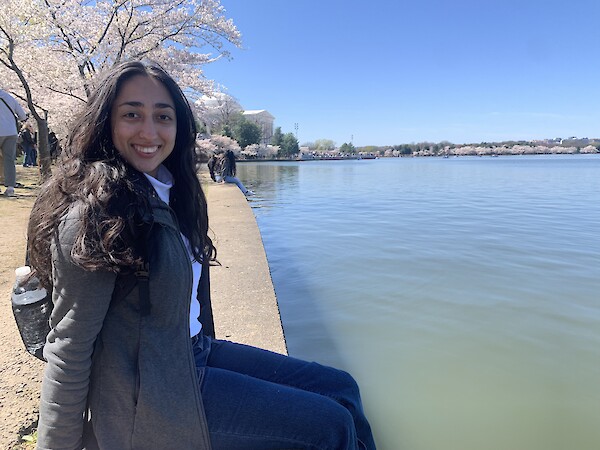
In August, IAN welcomed Meena Toolaabee as a Climate Resilience Fellow through the Chesapeake Conservation and Climate Corps. As her capstone project under the one-year program, Meena will assess vulnerability to natural and human hazards across the state of Maryland in the context of climate change. She graduated from UMD College Park in December 2025 with a bachelor's degree in civil and environmental engineering. She is eager to learn more about the wide variety of careers in environmental science and communication and loves any excuse for a site visit. We're so excited to have her on the team!
New Search Tool for ChesapeakeBay.net!
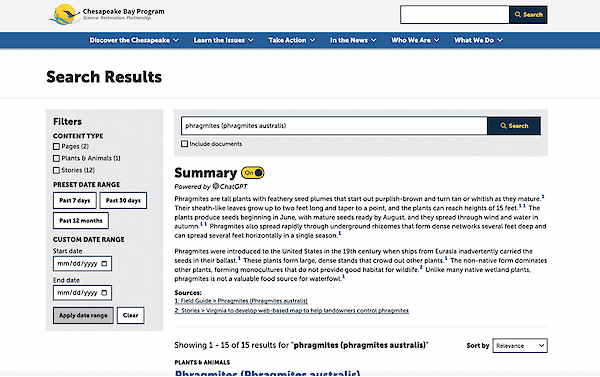
The UMCES Chesapeake Bay Program Web Team received a significant shout-out for their new search tool on ChesapeakeBay.net. A recent Cludo Customer Story featured Dan Brellis and Catherine Krikstan discussing the project's development and success. The team was able to customize the search tool based on user behavior to deliver accessible, relevant results for visitors of all technical backgrounds. The search features an AI function that can be easily toggled on and off and that provides referenced responses alongside links to source material. This results in AI content that is supported and accurate, and because it relies exclusively on the information from ChesapeakeBay.net, it outperforms other generic AI search results.
Project Highlight: Empowering Communities
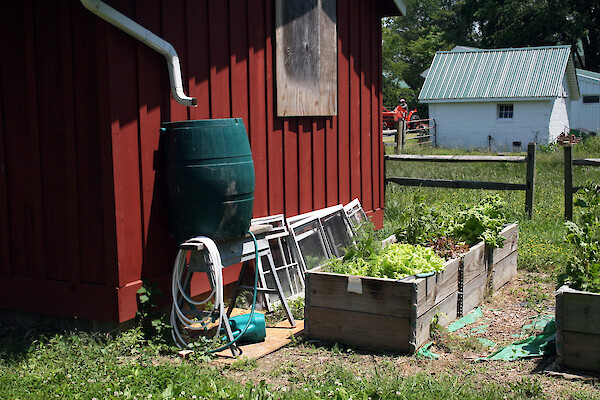
Funded by the Chesapeake Bay Trust, the Empowering Communities project works to identify the barriers preventing overburdened communities in the Chesapeake Bay watershed from engaging in environmental stewardship and evaluate actionable solutions to those barriers. Building on prior research by project partner OpinionWorks, this study uses questionnaires and interviews to gather local insights on practical solutions to a variety of barriers across different stewardship practices. We plan to use these insights to co-develop a targeted, community-led project that directly addresses a local barrier. Ultimately, we hope that our findings expand understanding of stewardship challenges in overburdened communities and equip environmental groups across the region with the information needed to better focus their resources and outreach.