Publications by Simon Costanzo

IAN is committed to producing practical, user-centered communications that foster a better understanding of science and enable readers to pursue new opportunities in research, education, and environmental problem-solving. Our publications synthesize scientific findings using effective science communication techniques.
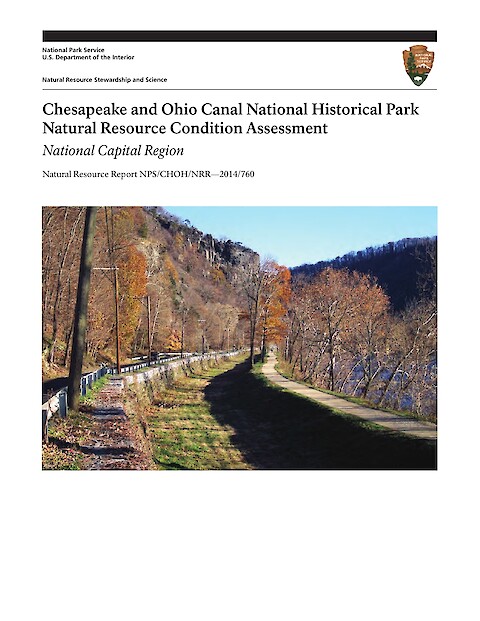
Chesapeake and Ohio Canal National Historical Park Natural Resource Condition Assessment (Page 1)

Chesapeake and Ohio Canal National Historical Park Natural Resource Condition Assessment

Thomas JE, Campbell JP, Carlstrom B, Carter M, Costanzo SD, Dennison WC, Hitchcock J, Lehman M, Nortrup M, and C. Stubbs C ·

Chesapeake and Ohio Canal National Historical Park provides a wealth of natural resource values, due to its location spanning four physiographic provinces. These resources were assessed using the Vital Signs framework.

2012 Chilika Lake ecosystem health report card (Page 1)

2012 Chilika Lake ecosystem health report card

Simon Costanzo, Jane Hawkey, Heath Kelsey ·

The World Bank-funded Integrated Coastal Zone Management (ICZM) project serves to assist the Ministry of Environment and Forests, Government of India, in building national capacity for implementation of a comprehensive coastal management approach, and piloting the integrated coastal zone management approach in states of Gujarat, Odisha, and West Bengal, all with long coastlines and unique biodiversity conditions.

Stormwater Management (Page 1)

Stormwater Management

Jane Hawkey, Simon Costanzo, Michael Williams ·

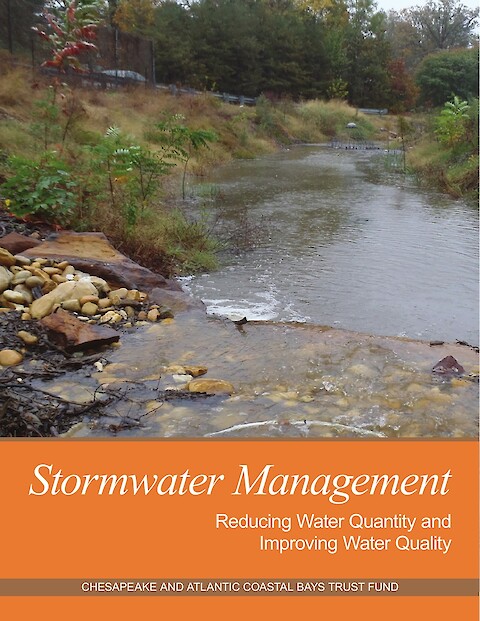
The Chesapeake and Atlantic Coastal Bays Trust Fund newsletter describes the factors that affect the water quantity and water quality of stormwater. It features one Best Management Practice, a Regenerative Stormwater Conveyance System, and provides the monitoring results from that case study in Anne Arundel County, Maryland.

Making Marine Protected Areas Work (Page 1)

Making Marine Protected Areas Work

Jane Hawkey, Simon Costanzo ·

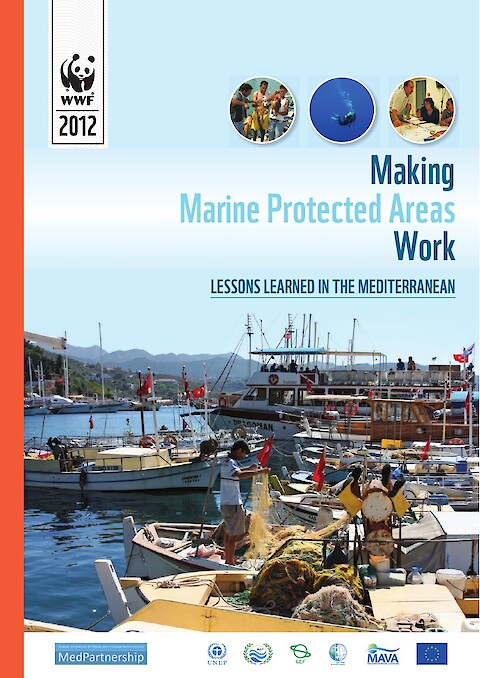
Early engagement with local communities and regional and national officials are essential to the capacity and efficiency of marine protected areas (MPAs). This WWF MedPAN South report, along with the Marine Protected Areas: Guiding Principles and Benefits newsletter, identifies lessons learned in case studies from 5 countries with MPAs in the southern and eastern Mediterranean.

Making Marine Protected Areas Work (Arabic) (Page 1)

Making Marine Protected Areas Work (Arabic)

Jane Hawkey, Simon Costanzo ·

Early engagement with local communities and regional and national officials are essential to the capacity and efficiency of marine protected areas (MPAs). This WWF MedPAN South report, along with the Marine Protected Areas: Guiding Principles and Benefits newsletter, identifies lessons learned in case studies from 5 countries with MPAs in the southern and eastern Mediterranean.

Making Marine Protected Areas Work (French) (Page 1)

Making Marine Protected Areas Work (French)

Jane Hawkey, Simon Costanzo ·

Early engagement with local communities and regional and national officials are essential to the capacity and efficiency of marine protected areas (MPAs). This WWF MedPAN South report, along with the Marine Protected Areas: Guiding Principles and Benefits newsletter, identifies lessons learned in case studies from 5 countries with MPAs in the southern and eastern Mediterranean.

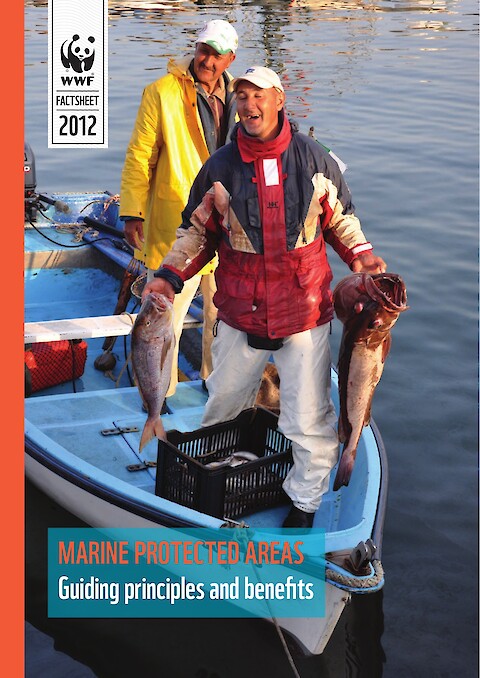
Marine Protected Areas (Page 1)

Marine Protected Areas

Jane Hawkey, Simon Costanzo ·

Marine Protected Areas (MPAs) are slices of the sea and coastline set aside because of their ecological importance. Creating an MPA requires a holistic approach that includes and integrates ecological, biological, social, and economic considerations. This approach cannot be successful without proper legislation, a functional institutional framework, financial resources, and active engagement of stakeholders.

Marine Protected Areas (Arabic) (Page 1)

Marine Protected Areas (Arabic)

Jane Hawkey, Simon Costanzo ·

Marine Protected Areas (MPAs) are slices of the sea and coastline set aside because of their ecological importance. Creating an MPA requires a holistic approach that includes and integrates ecological, biological, social, and economic considerations. This approach cannot be successful without proper legislation, a functional institutional framework, financial resources, and active engagement of stakeholders.

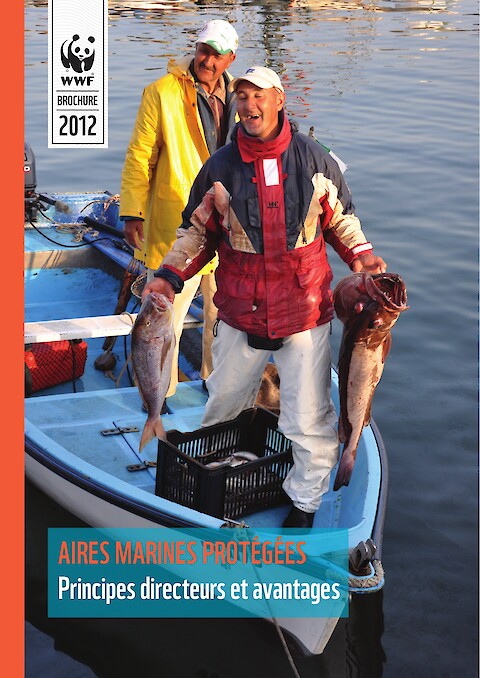
Marine Protected Areas (French) (Page 1)

Marine Protected Areas (French)

Jane Hawkey, Simon Costanzo ·

Marine Protected Areas (MPAs) are slices of the sea and coastline set aside because of their ecological importance. Creating an MPA requires a holistic approach that includes and integrates ecological, biological, social, and economic considerations. This approach cannot be successful without proper legislation, a functional institutional framework, financial resources, and active engagement of stakeholders.

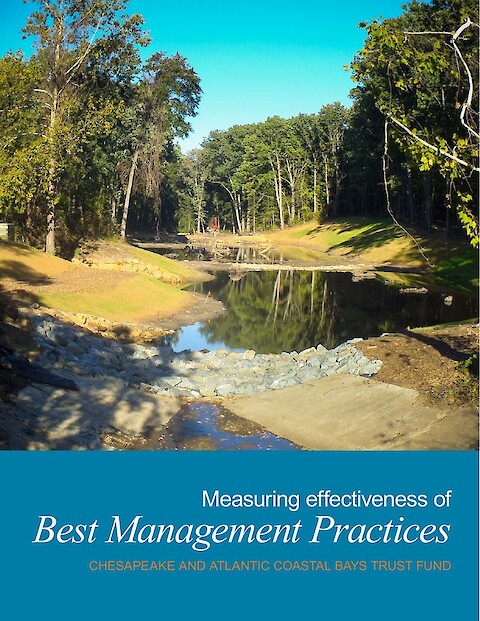
Measuring effectiveness of Best Management Practices (Page 1)

Measuring effectiveness of Best Management Practices

Simon Costanzo, Bill Dennison, Alexandra Fries ·

The Chesapeake and Atlantic Coastal Bays Trust Fund was created in 2007 in an effort to reduce nutrient and sediment pollution to these bays. The Trust Fund has focused its financial resources on the implementation of effective non-point source pollution control projects using best management practices (BMPs) in high priority watersheds. Examples of projects supported by the Trust Fund include stream channel restorations, stormwater retrofits, and cover crops.