Building Trust in Science

Annie Carew ·

Healthy relationships are not one-sided; information flows both ways. This is the true meaning of engagement, and it is a principle that we keep in mind as we practice our stakeholder engagement.

Co-production: The future of coastal and estuarine science

Lili Badri ·

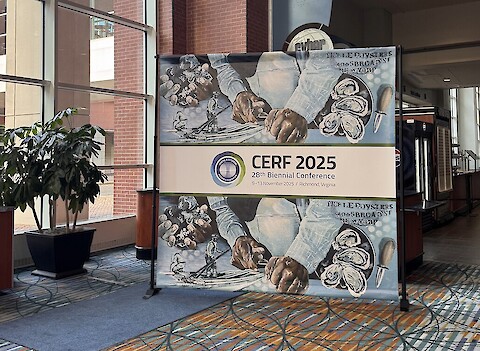
The 28th Biennial CERF Conference was held in Richmond, Virginia from November 9–13th with the theme this year being "Estuaries: Traditions and Transitions." I attended with five fellow IAN staff, and during the week, we had a chance to both discuss our experiences with co-production and actionable science as well as hear from others about their unique approaches to this process.

Centering People in Conservation

Annie Carew ·

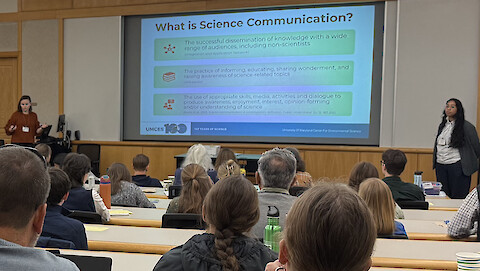
Humans love stories. If we can use science communication tools to construct a compelling narrative around science, we can connect to people on issues that they care about. This level of connection is a powerful motivator. Centering people in our science makes science relevant and actionable.

Fourth Annual Mega Deltas Conference: Dialogue Between Land and Sea

Heath Kelsey ·

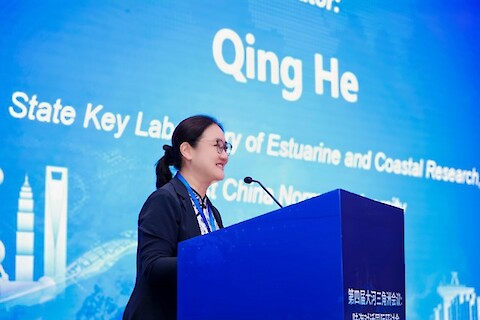
The 4th annual Mega Deltas Conference was hosted by The State Key Laboratory for Estuarine and Coastal Research at East China Normal University, in Shanghai, China from October 19–22, 2025. River delta systems are home to more than 500 million people worldwide, provide key points of trade and economic production, and support vital ecosystem functions.

Celebrating Ten Years of Water Quality Monitoring

Ann Foo ·

Many organizations also allow interested citizens to come along on their water monitoring excursions, or hold public educational events. These are a great way to dip a toe into water monitoring and learn about your local environment. Educating yourself and getting involved in your community help keep watershed groups fueled to continue their vital monitoring, restoration, and preservation work.

Exploring Innovation at Horn Point Laboratory's Annual Open House

Shaima Misli ·

On Saturday, October 11th, we had the amazing opportunity to visit Horn Point Laboratory during their Annual Open House—and it was such an inspiring experience! The event brought science to life, showcasing creative and interactive ways researchers communicate their environmental studies to the public. One of my favorite exhibits featured a large Styrofoam board displaying a vibrant wetland scene. Visitors, especially children, could lift little windows to discover the animals hidden within.

The Bears are Fattening, the Frogs are Freezing

Sidney Anderson ·

One of my favorite weeks of the year is “Fat Bear Week,” hosted by Katmai National Park. This is a March Madness-style bracket of, you guessed it, fat bears as they prepare for winter hibernation in Alaska. For the last 11 years, the National Park Service has promoted their popular brown bears in this week-long contest to crown the king or queen of the falls. If you haven’t checked out the Brooks Falls live stream, I’d highly recommend it.

Preparing for the Unexpected

Lili Badri, Annie Carew ·

September is National Preparedness Month, an initiative aimed at educating Americans about readiness for emergency and disaster situations that can happen anytime and anywhere. Knowing when a disaster is likely to occur and understanding that changes in climate may exacerbate the frequency and intensity of severe weather are critical for navigating a variety of circumstances.

A mangrove wetland near Sisal supports the local economy through ecotourism and provides many other valuable ecosystem services. We saw dozens of flamingos, but during the breeding season there can be thousands.

The Second International Coastal Resilience Symposium

Conor Keitzer · Learning Science | 

The 2nd International Coastal Resilience Symposium was hosted by the National Coastal Resilience Laboratory (LANRESC) in Mérida, Yucatán, Mexico, from September 2-5, 2025. This symposium brought together over 200 researchers, managers, and practitioners to share their work and make connections with colleagues working to create more resilient coastal ecosystems and communities.

International Coastal Adaptation Perspectives

Heath Kelsey ·

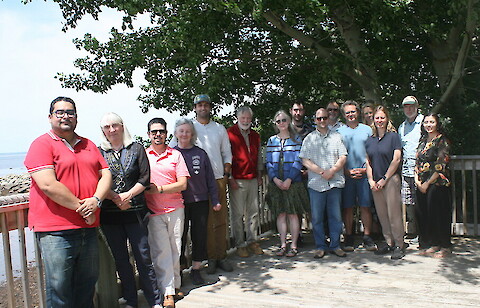
I was lucky enough to be invited to a meeting at Thinkers Lodge in Pugwash, Nova Scotia, in August this year, as part of their continuing commitment to support meetings that address science and societal issues. Our goal for this meeting was to discuss international responses to climate change in coastal communities. Fifteen scientists, practitioners, managers, and indigenous representatives from Australia, Canada, Mexico, the Mi'kmaw Nation, USA, and the West Indies were invited to share their perspectives on coastal climate adaptation. Over three days of meetings, we identified key issues, challenges, and ways forward. We also convened a local meeting to share our discussions with the Pugwash community and to solicit their valuable insights.