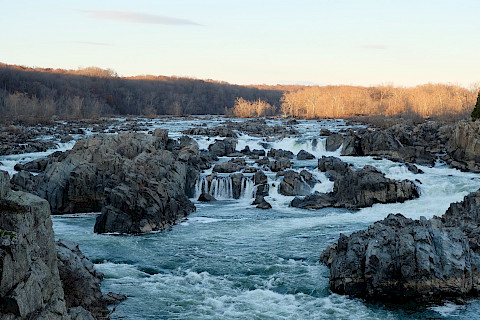
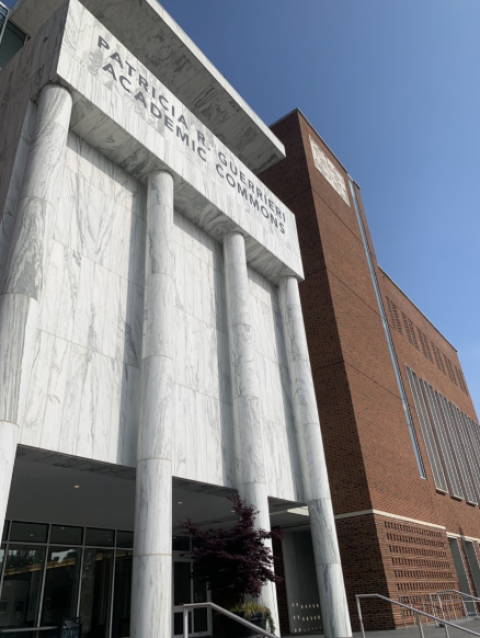
This past Wednesday, on June 15th, we had the opportunity to take our first step in utilizing the COAST (Coastal Ocean Assessment for Sustainability and Transformation) Card framework on the Potomac watershed at Hood College in Frederick County.
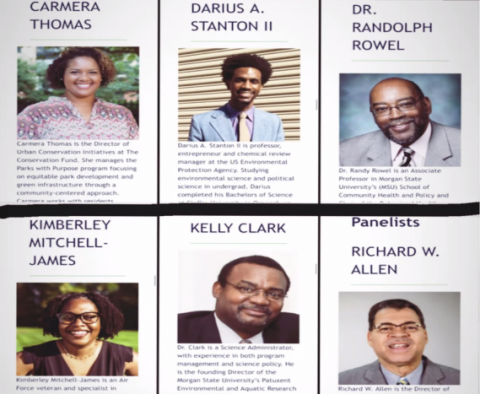
In a large conference room at the Crowne Plaza Hotel in Annapolis, Maryland, a panelist asks, “How many of you have had a black co-worker in your lifetime?” The conference room is silent. A few hands start to slowly creep toward mid-air. Everyone scans the room.
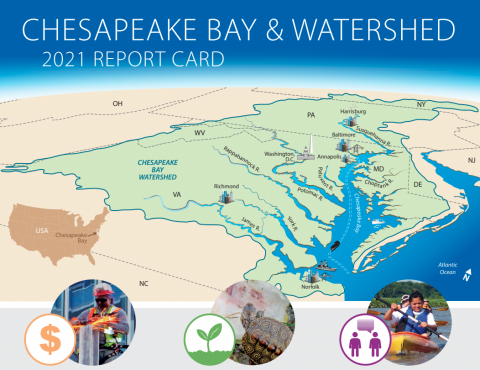
The 2021 Chesapeake & Watershed Report Card highlights unique findings in water and ecosystem quality compared to previous years. This year’s report stresses the importance of expanding how we make sense of the overall bay and watershed health as we start to look at economic and environmental justice indicators, such as: income inequality, housing affordability, social vulnerability to hazardous events, and walkability to parks.
This past week, on June 1st and 2nd, we had the pleasure of attending the Chesapeake Studies Conference put on by Salisbury University. Although the conference itself was small, with many of the speakers and attendees having known each other for quite some time, newcomers like us were met with open arms by this tight-knit Chesapeake scholar community.
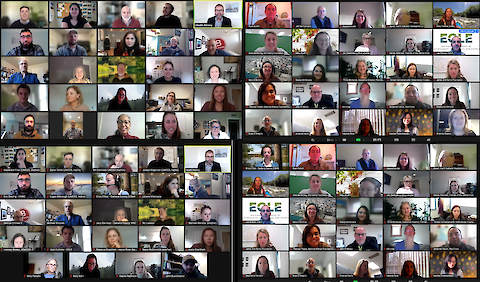
The last of three virtual workshop sessions for the development of individual and regional socio-environmental report cards for the Detroit, Clinton, Huron, Rouge, and Raisin rivers in Michigan concluded on November 16, 2021. The main goal of these sessions was to work with stakeholders to identify indicators that reflect the social, cultural, economic, and environmental values of the Southeast Michigan region.
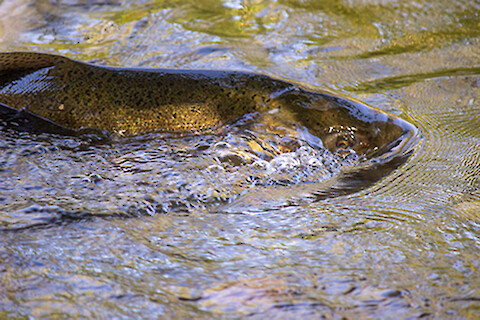
In the Pacific Northwest the leaves are changing colors, the mountains are capped with snow, and salmon have once again returned to the streams and rivers to spawn.