

A drive through the early signs of spring
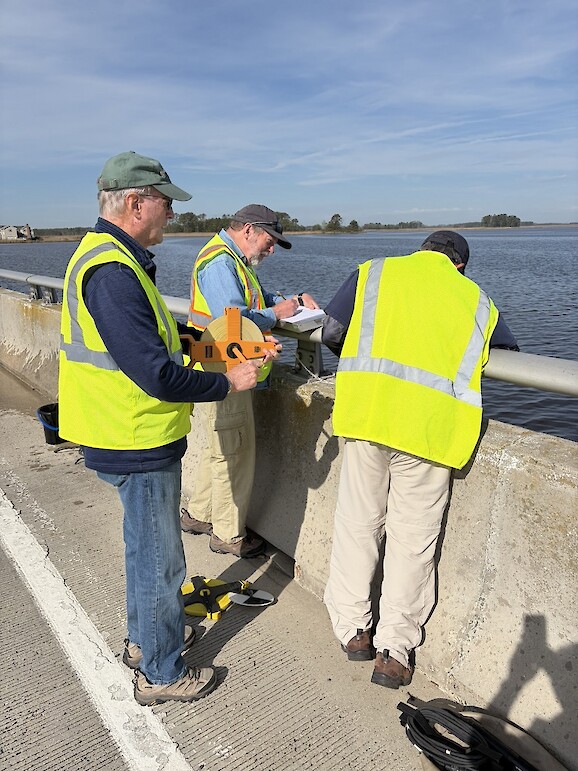
Sidney Anderson ·I’ve lived in Maryland for four and a half years and am an avid birder, but somehow, I never visited Blackwater National Wildlife Refuge (BWNR) until this April. As part of a field check for the Chesapeake Monitoring Cooperative, fellow science communicator Ann Foo and I made a trip out to BWNR to observe a water monitoring sampling day. We went out to multiple sites with an incredibly knowledgeable set of volunteers, who clearly had been working together for a long time. Each man had their task at each site, knew exactly the order of procedures, and worked together very efficiently. At each stop, we were informed of the site’s relationship to the river, how parameters had been reading recently, and what fish are most frequently caught in each location. Upon learning that I had never visited the refuge before, the volunteers suggested that we spend some time on Wildlife Drive before we left, so Ann and I headed out to do a quick loop after sampling was finished.
The quick loop ended up being closer to an hour and a half. We drove slowly and periodically stopped to listen for birds, look out the window, or stick my phone out of the sunroof with my Merlin app recording to let me know what unfamiliar species might be around. Not surprisingly, the most memorable part of the day was the sheer number of bald eagles we saw. It felt like every direction we turned, every road we drove down, there was an eagle in a tree and probably a nest within binocular distance.
At our first stop, a pair of killdeer and a lesser yellowlegs foraging in a mudflat right off the road let us take some leisurely looks, until sudden alarm calls and quick flights away alerted us to the hawk that was flying overhead. From the quick sighting, my tentative identification was a Cooper’s hawk based on the shape of the body and length of the tail, supported by the reaction of the other birds—Cooper’s hawks prey on other bird species.
Farther down, on a more forested part of the road, we were treated to a wonderful view of a common yellowthroat hopping through the shrubby understory right near the edge of the road. This is a tiny little bird, known for its—surprise—bright yellow throat and distinct black mask over its eyes. While it was early in migration season for many warblers, it was such a treat to get a close-up view of this sign of spring. Because warblers are so small and often high in the treetops, getting to watch one of them clearly without binoculars was a rarity. I always forget how small warblers are, and this little bird hopping through the undergrowth reminded me just how incredible the migratory feat undertaken by these tiny species is.
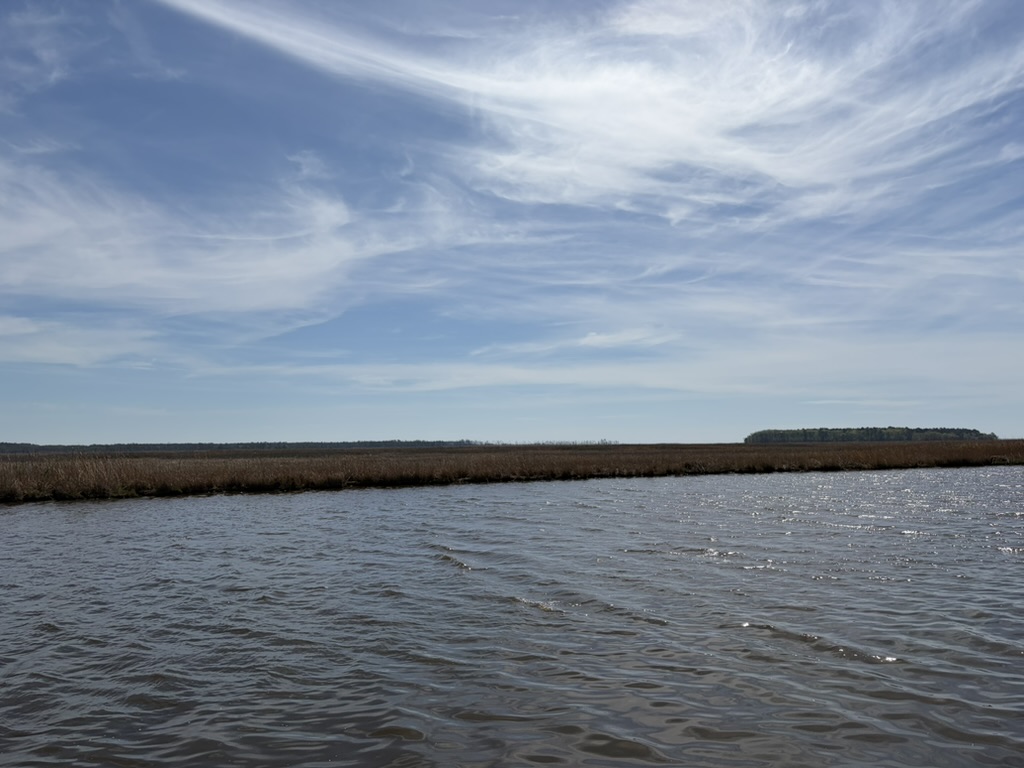
As the road opened back up and we drove down between two wetland areas, we were pleased to see a number of turtles sunning themselves. One of my favorite parts of a nature walk (or drive) is spotting turtle noses poking up from the water and seeing all of the precarious ways these animals manage to balance themselves on logs and branches for their midday bask.
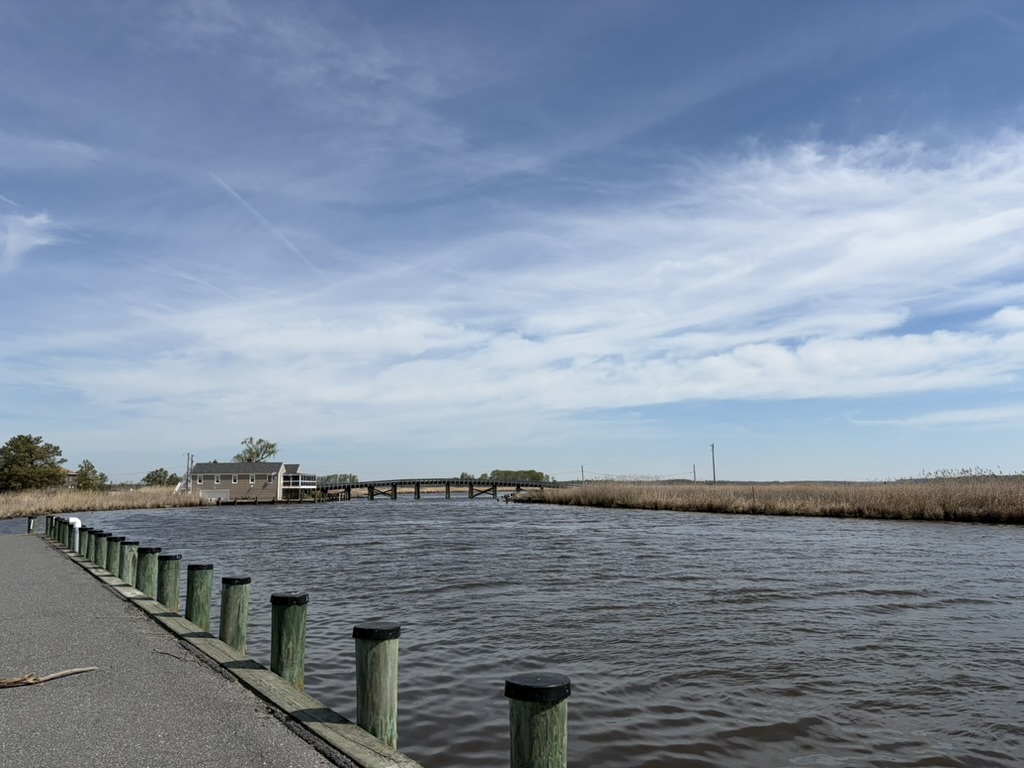
Our days out in the field are always a highlight of the job here at IAN. We get to see the incredible work our partners are doing and remind ourselves of the beautiful areas we’re working hard to protect. Personally, these days always revitalize my desire to spend even more time outside. The weekend after this trip, I took a trip out to Marshy Point Nature Center for the first time to continue the springtime momentum and appreciate more of the abundant natural areas Maryland has to offer.
About the author
Sidney Anderson

Sidney Anderson earned her MSc from Georgia Southern University and her BA from College of the Atlantic. She has researched the thermal biology of the Florida scrub lizard and modelled their potential responses to climate change, as well as studied the reproductive biology of yellow-spotted salamanders and painted turtles in Acadia National Park. She is originally from New Jersey and enjoys camping, birding, playing soccer, fencing, and making art.