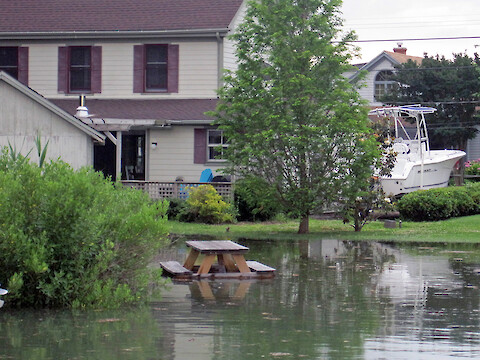
Through increased funding, planning, regulation, and restoration, Maryland has become a leader in coastal and climate adaptation. There is, however, a need to clarify adaptation goals to measure progress and hold the state accountable.
The Darwin Harbour Report Card is a partnership of universities and provincial governments collaborating to evaluate the social, environmental and economic health of the Darwin Harbour region in the Northern Territory of Australia. The project seeks to engage the people of Darwin Harbour and scientific experts to gain an understanding of the pressures and state of Darwin Harbour lands and waters.
The Statewide Ecosystem Assessment of Coastal and Aquatic Resources (SEACAR) is a collaborative process which involves local, state, and federal natural resource managers, data providers, researchers, and partners to identify and assess ecological indicators and to create a comprehensive assessment of the statuses and trends of the Office of Resilience and Coastal Protection's submerged coastal resources.
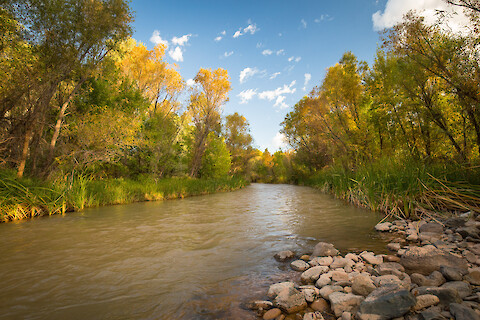
The purpose of this project is to create a watershed health report card in consultation with local stakeholders to effectively measure the social, ecologic and economic health of the Verde River watershed. In doing so, actions will be leveraged to ensure the continued health of the watershed and awareness of the significance of the watershed will be increased to support the livelihood and health of local communities.
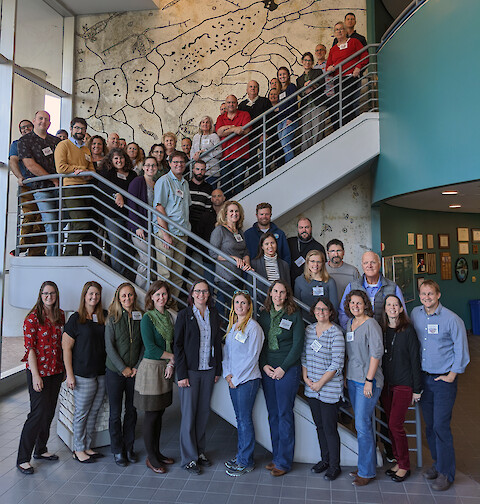
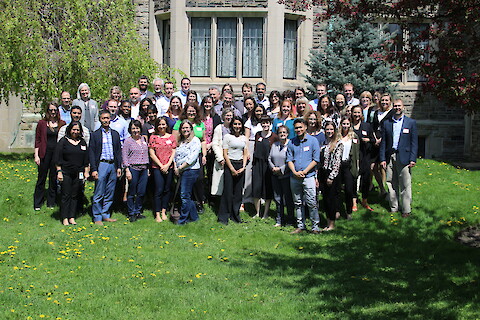
UMCES is working with the University of South Carolina Center for Oceans and Human Health to develop a work plan to help lead community engagement and research synthesis activities for the Community Engagement Core. The plan is envisioned to include stakeholder and researcher workshops to enhance two-way communication between community interests and the research communities.
The primary objective of this project is a two-day training for staff of the MOECC, as well as partner Great Lakes ministries, such as Natural Resources Forestry (MNRF) and Agriculture, Food and Rural Affairs (OMAFRA). The training will focus on the development of performance measures, in accordance with the requirements under the Great Lakes Protection Act.
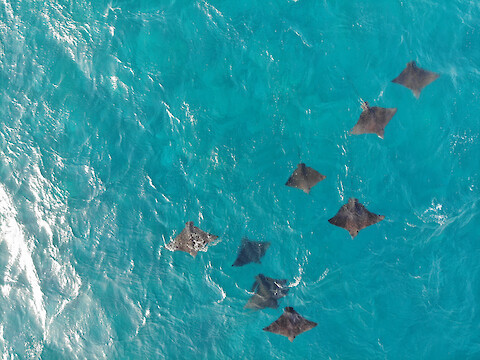
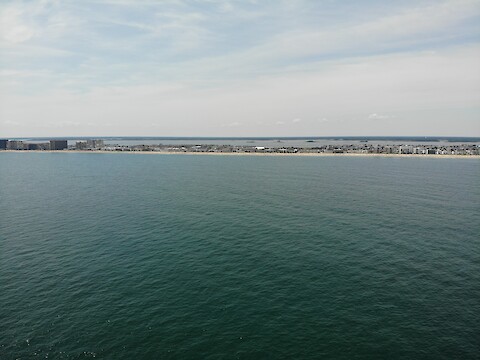
IAN has teamed up with oceanographers at our home campus of Horn Point Laboratory and at the Department of Natural Resources in order to revisit a growing concern of algal blooms off Assateague Island National Seashore on the Southern Eastern Shore. IAN's role in this project involves synthesizing data collected offshore and helping to establish relevant thresholds for offshore nutrient data, as well as aiding in communication of the studies data and findings.
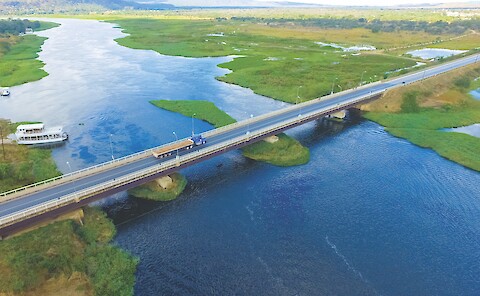
This project is a continuation of the partnership between The World Wildlife Fund (WWF) and the University of Maryland Center for Environmental Sciences to develop a standardized methodology for designing and implementing report cards that assess the health some of the world’s most prominent freshwater basins. UMCES and the WWF are currently collaborating with Zambian stakeholders to create a report card for the Lower Kafue River Basin.
Incorporating novel indicators into the Chesapeake Bay Report Card. Make key improvements to the Chesapeake Bay Report Card, which has served since 2006 as the definitive source for ecosystem health status in the Bay and tidal tributaries.
IAN has maintained a robust relationship with Future Earths Coasts (FEC) since its inception in 2015. This group aims to support a network of coastal scientists and stakeholders who are working in the area of sustainable coastal futures. IAN has had the unique opportunity of helping the group at FEC to refine these goals and realize a vision to accomplish them.