IAN is committed to producing practical, user-centered communications that foster a better understanding of science and enable readers to pursue new opportunities in research, education, and environmental problem-solving. Our publications synthesize scientific findings using effective science communication techniques.

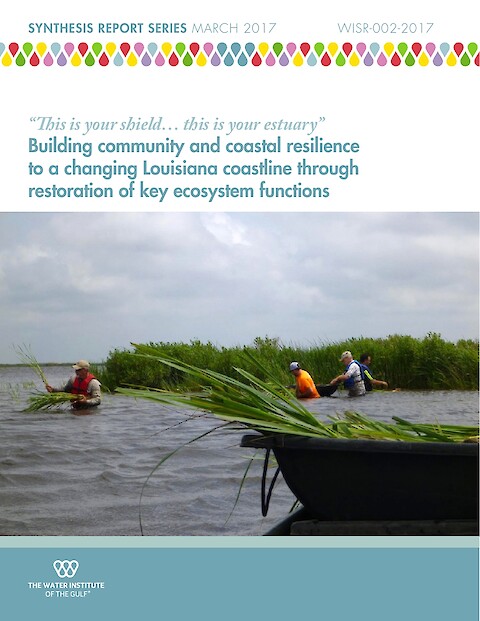
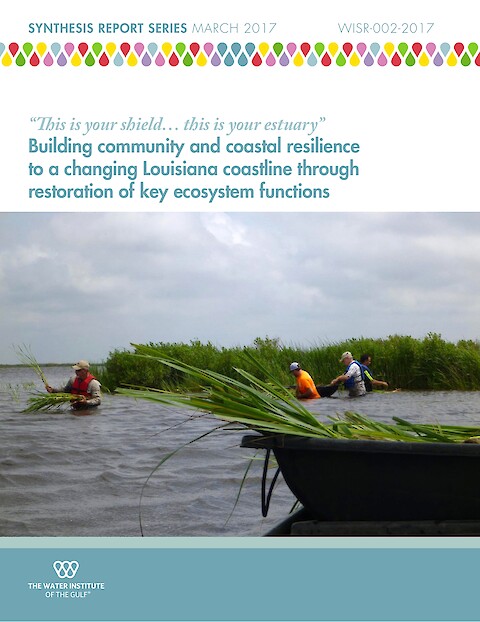
Building community and coastal resilience to a changing Louisiana coastline through restoration of key ecosystem functions (Page 1)

Building community and coastal resilience to a changing Louisiana coastline through restoration of key ecosystem functions

This is your shield... this is your estuary

Carruthers TJB, Hemmerling SA, Barra M, Saxby TA, Moss L ·

The coastal communities of Louisiana are highly vulnerable to coastal change, yet the population has remained steady in the midst of highly dynamic environmental, social, and economic conditions. Adaptations in the form of social networks, mobility, and ingenuity have enabled Louisiana’s coastal communities to remain viable, although changed over time. Much of Louisiana’s coastal zone is outside of the current system of hard infrastructure (primarily levee) protection.

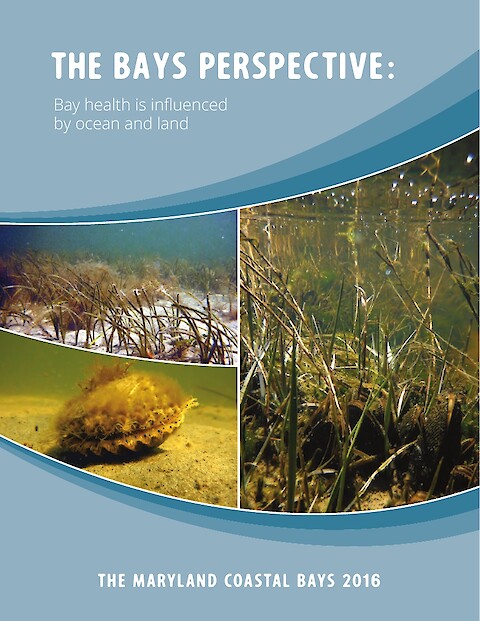
Maryland Coastal Bays 2016: Bay perspectives (Page 1)

Maryland Coastal Bays 2016: Bay perspectives

Jane Thomas, Bill Dennison, Heath Kelsey ·

This booklet provides an overview of the current science and management issues in the Maryland Coastal Bays in 2016. The full report (which can be found here) includes two ‘booklets’ in one publication—one intended for those interested in the bay perspective, and the other for those interested in the land perspective. The two documents culminate in a summary centerfold which focuses on both watershed and bay issues.

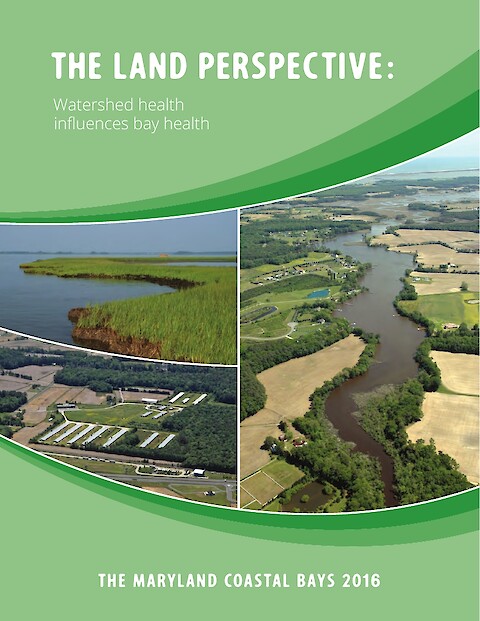
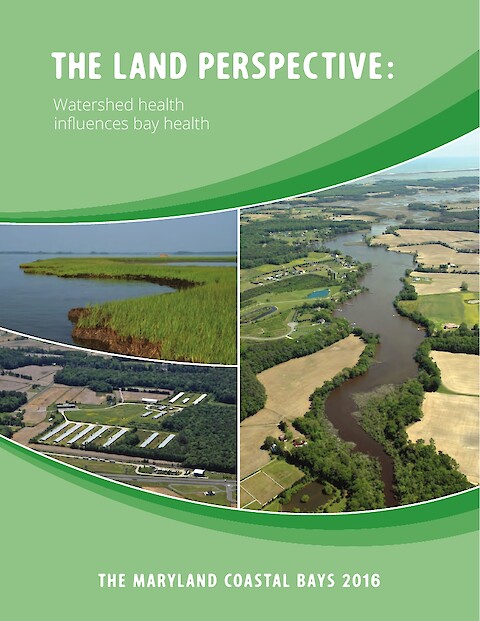
Maryland Coastal Bays 2016: Land perspectives (Page 1)

Maryland Coastal Bays 2016: Land perspectives

Jane Thomas, Bill Dennison, Heath Kelsey ·

This booklet provides an overview of the current science and management issues in the Maryland Coastal Bays in 2016. The full report (which can be found here) includes two ‘booklets’ in one publication—one intended for those interested in the bay perspective, and the other for those interested in the land perspective. The two documents culminate in a summary centerfold which focuses on both watershed and bay issues.

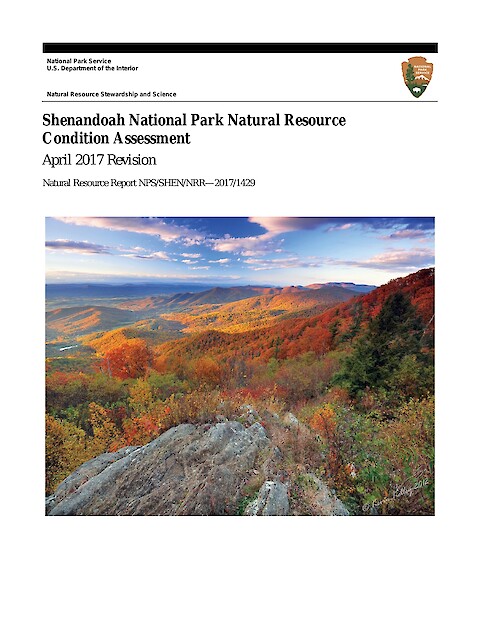
Shenandoah National Park Natural Resource Condition Assessment (Page 1)

Shenandoah National Park Natural Resource Condition Assessment

Costanzo SD, Lookingbill T, Walsh B, Fries A, Spitzer S, Hawkey J, Vargas V, Webb B, Easby S, Goelst C, Rouch M. ·

Assessment of natural resource condition within Shenandoah National Park was carried out using the National Park Service Inventory and Monitoring Program Vital Signs ecological monitoring framework. The park was categorized into six reporting areas based on two altitudes and three major geology types underlying Shenandoah National Park. Thirty-one metrics were analyzed for 14 indicators grouped into four categories:

National Capital Parks-East Natural Resource Condition Assessment (Page 1)

National Capital Parks-East Natural Resource Condition Assessment

Walsh BM, Campbell JP, Costanzo SD, Dennison WC, Lehman M, Milton M, Nortrup M, Syphax S ·

The National Capital Parks–East (NACE) provides a natural haven for the urbanized Washington, D.C., area. NACE includes 14 major park areas that comprise more than 8,000 acres of the Atlantic Coastal Plain from Anne Arundel County, Maryland, through the eastern part of Washington, D.C., to Prince George’s and Charles counties, Maryland.

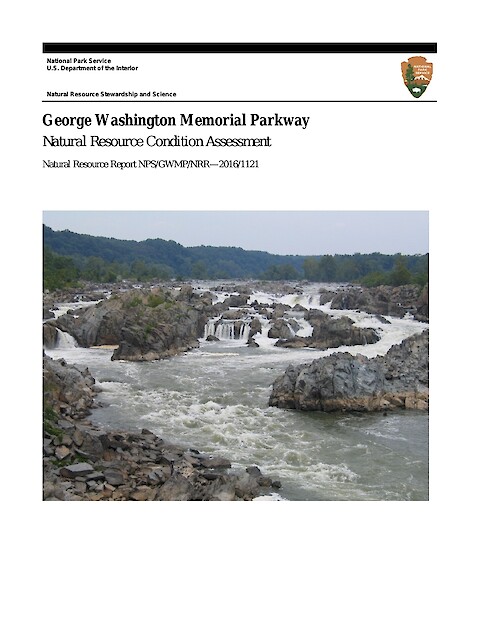
George Washington Memorial Parkway Natural Resource Condition Assessment (Page 1)

George Washington Memorial Parkway Natural Resource Condition Assessment

Walsh BW, Costanzo SC, Dennison WC, Campbell JP, Lehman M, Nortrup M, Steury B, Monteleone S ·

George Washington Memorial Parkway was developed as a scenic parkway to help preserve the Potomac River Gorge and shoreline while serving as a memorial to the first President of the United States, George Washington. The Potomac Gorge is one of the most significant natural areas in the United States, and is home to more than 400 occurrences of over 200 rare species and communities.

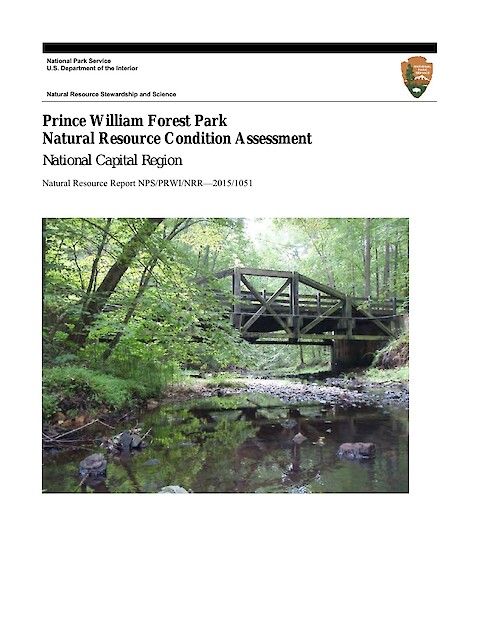
Prince William Forest Park Natural Resource Condition Assessment (Page 1)

Prince William Forest Park Natural Resource Condition Assessment

Walsh BW, Costanzo SD, Dennison WC, Campbell JP, Lehman M, Nortrup M, Carmouche C, Kelley E, Petersen P ·

Located approximately 35 miles south of Washington, D.C., Prince William Forest Park occupies 15,000 acres in Prince William County, Virginia. The park is the largest protected area in the region and is the third largest national park in the state of Virginia. It is also the largest example of a Piedmont forest in the national park system, and serves as a sanctuary for a diversity of plants and animals which are threatened by increasing development in northern Virginia.

Wolf Trap National Park for the Performing Arts Natural Resource Condition Assessment (Page 1)

Wolf Trap National Park for the Performing Arts Natural Resource Condition Assessment

Walsh BM, Costanzo SD, Dennsion WC, Campbell JP, Lehman M, Nortrup M, Chittenden B, Goetkin P, and Schuster C ·

Wolf Trap National Park for the Performing Arts is a 117-acre park located approximately 18 miles west of Washington, D.C. in Vienna, Virginia. Established in 1966, the park was designated as the first national park for the performing arts. The park provides a natural sanctuary for native bird, plants, and animal species in a developing region. The natural resources of Wolf Trap National Park for the Performing Arts were assessed using the Vital Signs Framework.