IAN is committed to producing practical, user-centered communications that foster a better understanding of science and enable readers to pursue new opportunities in research, education, and environmental problem-solving. Our publications synthesize scientific findings using effective science communication techniques.

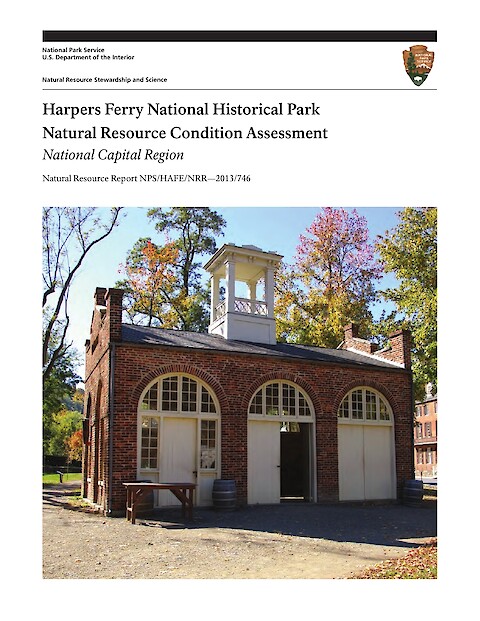
Harpers Ferry National Historical Park Natural Resource Condition Assessment (Page 1)

Harpers Ferry National Historical Park Natural Resource Condition Assessment

Thomas JE, Campbell JP, Costanzo SD, Dennison WC, Lehman M, Nisbet D, Nortrup M, and Parsons M ·

Harpers Ferry National Historical Park provides a wealth of natural resource values, including riparian habitats, floodplains, agricultural fields, geologic exposures, rare limestone glades, developed areas, and upland forests. These resources were assessed using the Vital Signs framework. Overall, the natural resoures in Harpers Ferry National Historical Park are in degraded condition and are under threat from surrounding land use, regionally poor air quality, and overpopulation of deer.

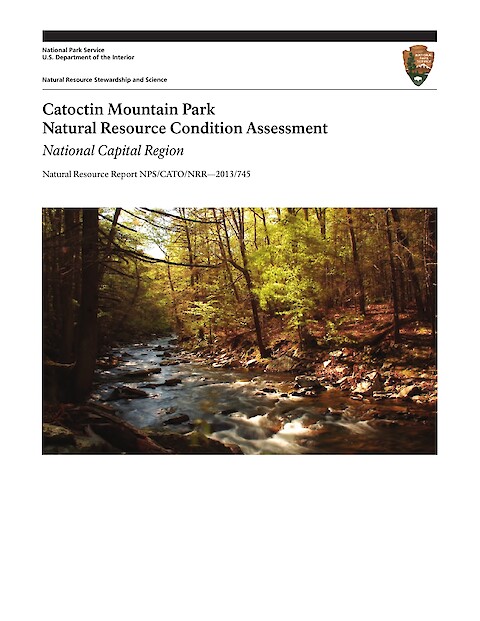
Catoctin Mountain Park Natural Resource Condition Assessment (Page 1)

Catoctin Mountain Park Natural Resource Condition Assessment

Thomas JE, Bell PS, Campbell JP, Costanzo SD, Dennison WC, Donaldson L, Lehman M, Loncosky R, and Nortrup M ·

Catoctin Mountain Park provides a wealth of natural resource values, largely resulting from the maintenance of forest and wetland habitats. These resources were assessed using the Vital Signs framework. Overall, the natural resoures in Catoctin Mountain Park are in moderate condition but are under threat from surrounding land use, regionally poor air quality, and overpopulation of deer.

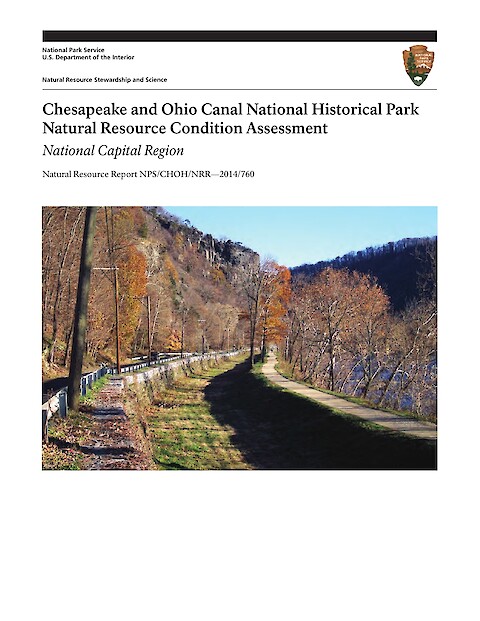
Chesapeake and Ohio Canal National Historical Park Natural Resource Condition Assessment (Page 1)

Chesapeake and Ohio Canal National Historical Park Natural Resource Condition Assessment

Thomas JE, Campbell JP, Carlstrom B, Carter M, Costanzo SD, Dennison WC, Hitchcock J, Lehman M, Nortrup M, and C. Stubbs C ·

Chesapeake and Ohio Canal National Historical Park provides a wealth of natural resource values, due to its location spanning four physiographic provinces. These resources were assessed using the Vital Signs framework.

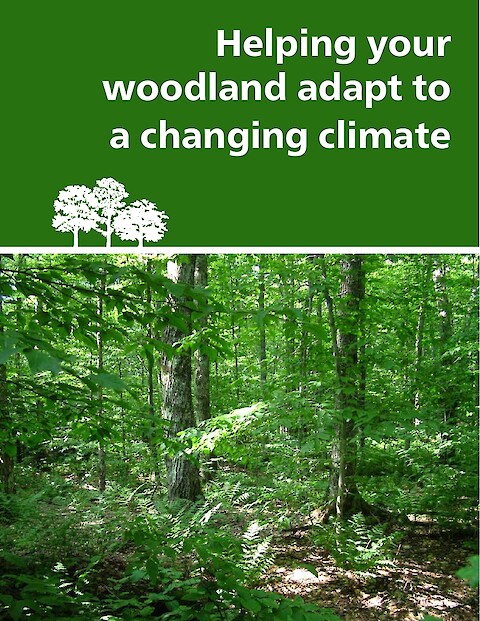
Helping your woodland adapt to a changing climate (Page 1)

Helping your woodland adapt to a changing climate

Tracey Saxby, Marcus Griswold, Caroline Donovan, Jane Hawkey ·

As Maryland's climate changes, your woodland may be more susceptible to natural disturbances such as storms, droughts, insect and disease outbreaks, or other stressors that can damage trees or slow their growth. As a good woodland steward, now is the time to make smart environmental and economic decisions, and implement the most effective strategies to help your woodlands adapt to climate change.

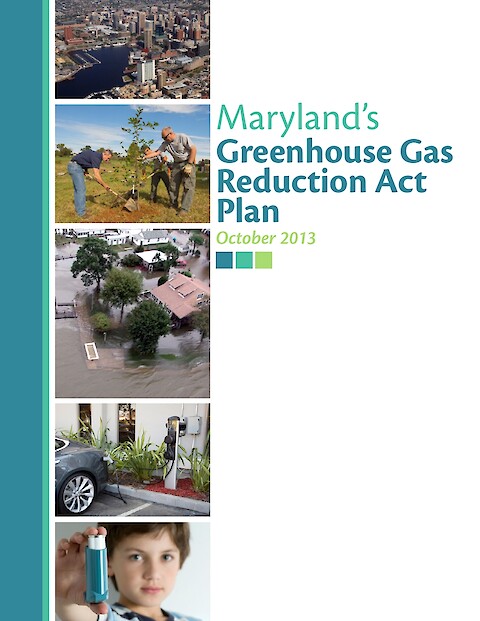
Greenhouse Gas Reduction Plan: Chapter 8 Adaptation (Page 1)

Greenhouse Gas Reduction Plan: Chapter 8 Adaptation

Caroline Donovan, Marcus Griswold ·

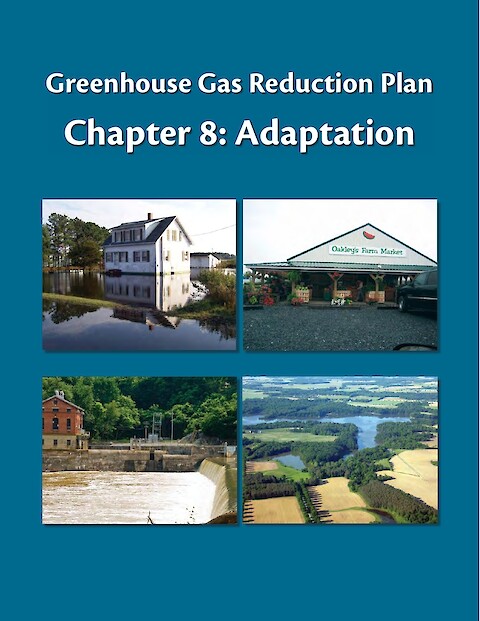
Climate change will affect Maryland in a variety of ways. More obvious impacts could include an increased risk for extreme events such as drought, storms, flooding, and forest fires; more heat-related stress; the spread of existing or new vector-born disease; and increased erosion and inundation of low-lying areas along the State’s shoreline and coast. Adaptation, together with mitigation, is necessary to address climate change.

Updating Maryland

Updating Maryland's Sea-level Rise Projections

Boesch DF, Atkinson LP, Boicourt WC, Boon JD, Cahoon DR, Dalrymple RA, Ezer T, Horton BP, Johnson ZP, Kopp RE, Li M, Moss RH, Parris A and Sommerfield CK ·

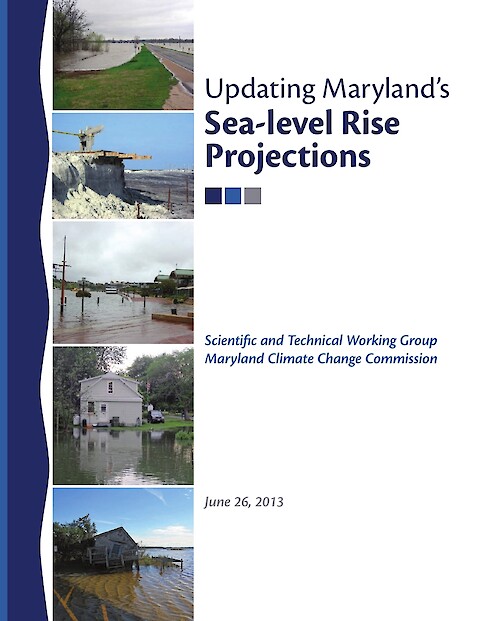
With 3,100 miles of tidal shoreline and low-lying rural and urban lands, "The Free State" is one of the most vulnerable to sea-level rise. Historically, Marylanders have long had to contend with rising water levels along the Chesapeake Bay, Atlantic Ocean, and Coastal Bay shores. Shorelines have eroded and low-relief lands and islands (some previously inhabited) have been inundated.

Sampling and data analysis protocols for Mid-Atlantic non-tidal stream indicators (Page 1)

Sampling and data analysis protocols for Mid-Atlantic non-tidal stream indicators

Wicks EC, Fries AS and Kelsey RH ·

This document provides guidelines for the successful production of non-tidal stream health report cards. Specifically, this document develops clear and consistent protocols for the identification, collection, and analysis of indicators to be used by report card-producing organizations in Mid-Atlantic rivers and streams.

Assessing Progress (Page 1)

Assessing Progress

Jane Hawkey, Heath Kelsey ·

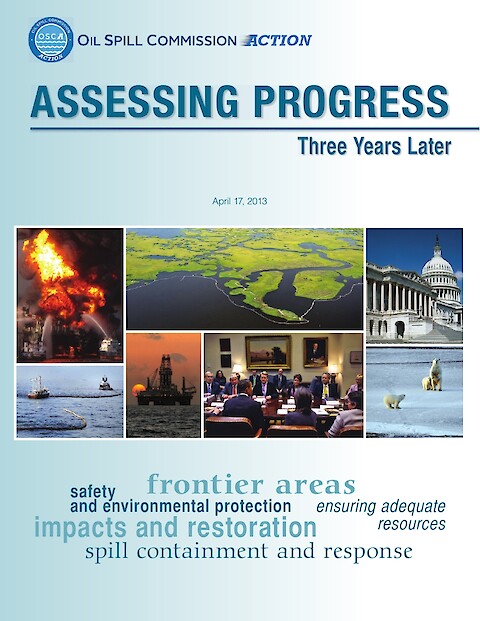
Following the 2010 BP Deepwater Horizon oil spill in the Gulf of Mexico, seven Oil Spill Commission Action (OSCA) commissioners released their first report in April 2012— Assessing Progress: Implementing the Recommendations of the National Oil Spill Commission . It provided recommendations for making offshore energy production safer, improving oil spill response, and addressing the impacts on people, economy and the environment.