In a previous blog, I suggested six elements for science synthesis that we have employed in the Submerged Aquatic Vegetation Synthesis (SAV SYN) effort. These six elements were the following: • Experienced leadership … • Limited size … • Multiple immersive workshops … • Regular communication … • Flexibility … • Product focus … I also discussed the following enabling conditions:
'How’s the Beach?' is an app that presents health advisories to the public about bacterial levels in Myrtle Beach, SC and Sarasota Beach, FL. The University of South Carolina and IAN are collaborating to expand the scope of this app to include popular waterways and shellfish harvesting sites around the Charleston Harbor.
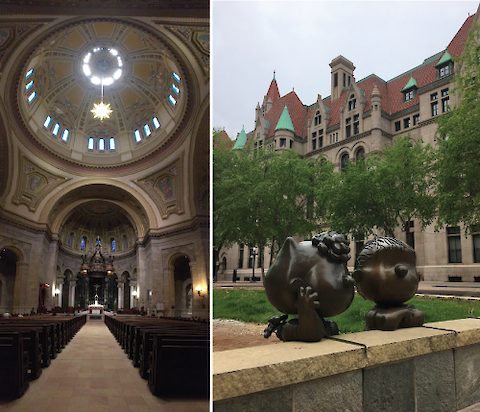
In May I attended the 2017 Citizen Science Association Conference with Caroline and Alex. This blog is the second post about the conference, and the first part can be found here. On the final morning of the conference, I took advantage of the clear skies and dry sidewalks, and woke up early to explore Saint Paul.
Don Boesch … It has been 50 years since I participated in a march in Washington, that time to protest the war in Vietnam. But on Saturday, April 22 I plan on joining tens of thousands of others in the March for Science. This is not an institutional endorsement of the March, but a personal perspective on why I will march. The March for Science sprung up because of concerns that scientific evidence is under attack and critical advances in science might be defunded.
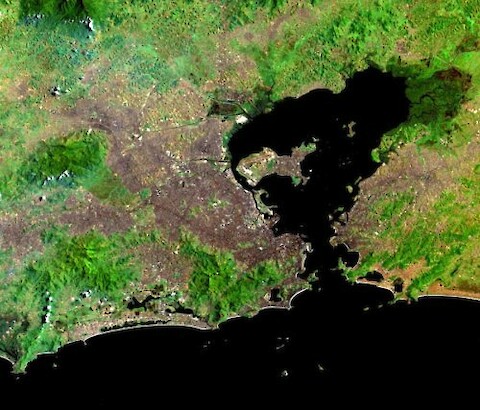
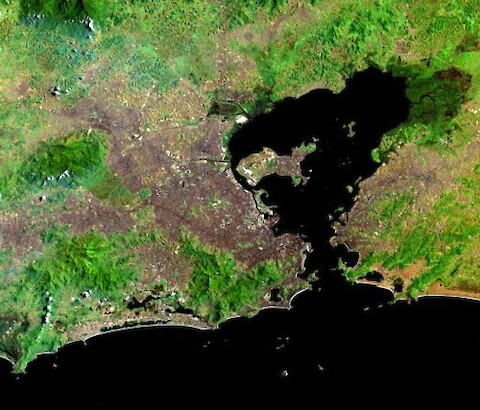
"Environmental Literacy for Guanabara Bay, Brazil" (Portuguese translation by João Paulo Coimbra) Série ‘Aprendizado Ambiental' (Environmental Literacy Series) • A Baía de Guanabaraé uma formação costeira tropical (22°S) com uma abertura restrita e que forma um porto natural no sudeste do Brasil com clima de monções.
‘Environmental Literacy’ series … • Guanabara Bay is a tropical (22°S) embayment with a restricted opening which forms a natural harbor in Southeast Brazil with a monsoonal/savanna climate. • The watershed around Guanabara Bay is an internationally iconic location, including metropolitan areas like Rio de Janeiro, Niteroi and Sao Goncalo, beaches like Copacabana and Ipanema, and sights like Sugarloaf and Corcovado.
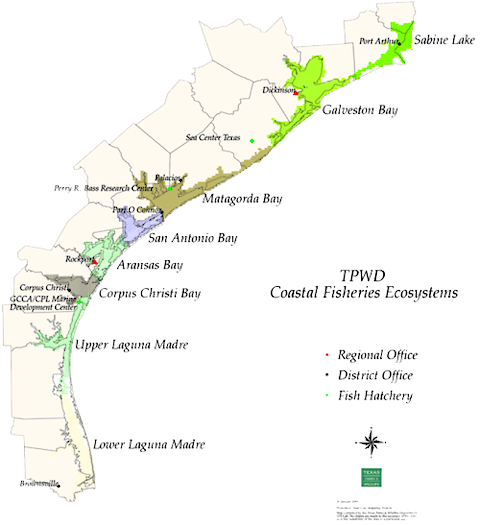
As part of a workshop sponsored by the Harte Research Institute, Texas A&M University in Corpus Christi, we learned about the key values and major threats to the Texas coastal ecosystems. We did not include the offshore continental shelf in this assessment, so some iconic features like the flower garden coral reefs were not included. The environmental literacy principles for the Texas coast are the following:
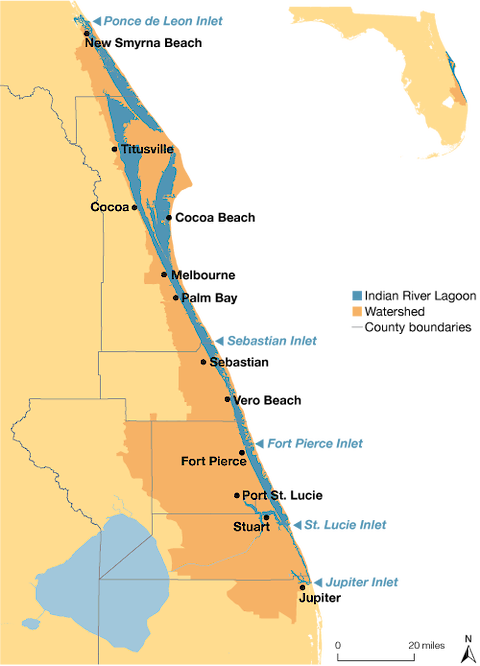
The concept of environmental literacy derives from a series of programs that have established various literacy principles, for example, Ocean Literacy and Chesapeake Bay literacy. Literacy principles form the framework, but it is the richness of examples, stories and visual supporting materials that enliven the understanding of our environment. The seven principles that an informed person needs to know about the Indian River Lagoon are:
‘Environmental literacy‘ series … As part of the Integration and Application Network’s collaboration with the Partnerships in Environmental Management for the Seas of East Asia Resource Facility (PRF) and the Laguna Lake Development Authority (LLDA) in the development of an Ecosystem Health Report Card for Laguna de Bay, the seven environmental literacy for Laguna de Bay are listed:
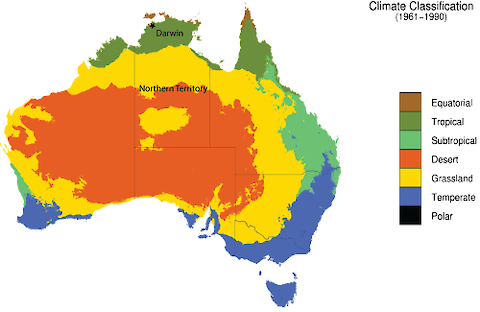
As part of our ongoing project with Charles Darwin University to synthesize the research on the flood plains of Kakadu National Park, we review the fundamentals of the environment and characteristics of the region, specifically the coastal tropical areas in the northern part of the territory. The Northern Territory is the third largest state or territory in the country with about 17.5% (1.3 million km2) of the land area.