I was asked by Stuart Clarke, Executive Director of Town Creek Foundation, to participate in an energy panel associated with the third annual Chesapeake Film Festival. The panel was held at the historic Avalon Theatre in downtown Easton, Maryland, immediately following the film "On Coal River". Previously during the festival, two additional films were screened, "A Sea Change" and "Gasland", which were also included in the panel discussion.
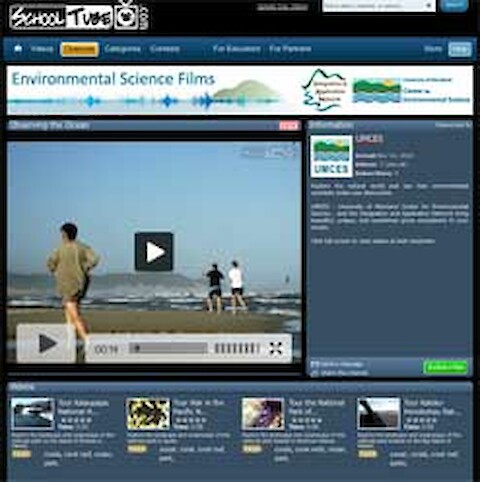
We've all seen how video-sharing websites have the power to make everyday events such as frolicking kids and frisky kitchens go viral. Well then, we should be able to harness that power to deliver engaging content about items that impact our every day. Items such as climate change, water quality, and public health issues—topics so important, they warrant space on our screens. The challenge is that these topics don't have the warm and fuzzy factor of frolicking kids and frisky kittens.
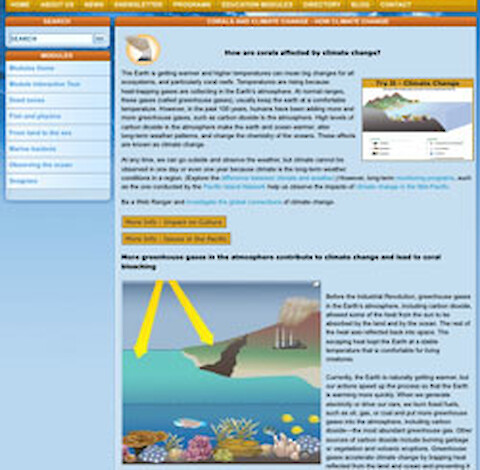
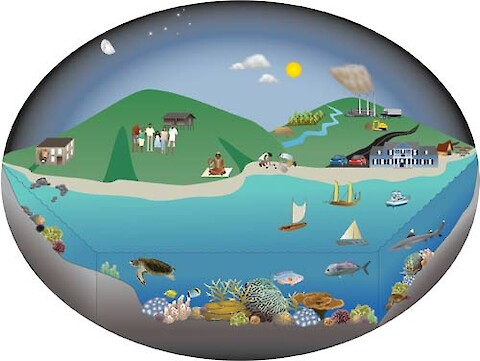
Chilling question when your middle school days are long behind you and you're reminded of just how not hip you are each time you put on the tv, the radio, or Google. Nonetheless, What would a 7th grader do? --has been the guiding question for the coral and climate change module IAN is developing for the Pacific Island Network Inventory and Monitoring Program at the National Park Service (NPS).
Chesapeake Bay and Maryland Sea Grant has had the good fortune to have Jack Greer writing, facilitating and building consensus for the past 31 years. Jack has elegantly written numerous intelligent, thoughtful and insightful articles on Chesapeake Bay issues, with personal knowledge gathered by frequently poking around the Bay on his sailboat. He is widely respected as a scholarly, approachable and kind man.
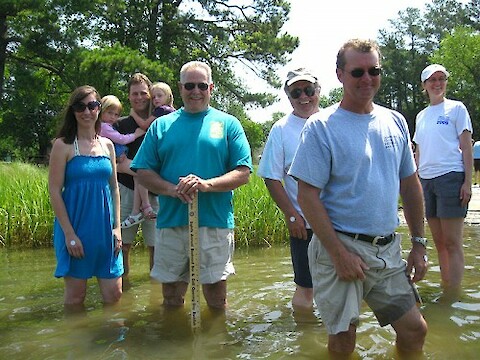
On Saturday June 12th the Choptank Tributary Team held their annual wade-in in conjunction with the Environmental Concern native plant sale. Team members were able to see their feet at a depth of 25 inches, a one inch improvement from last year. In the picture below are Delegate Jeannie Haddaway Riccio, State Senate Candidate Chris Jakubiak with his children, Choptank River Keeper Tim Junkin, and Trib Team members Bill Wolinski and Jennifer Dindinger.
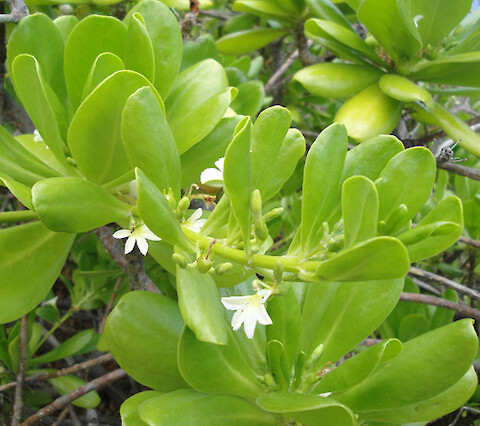
Stepping out between two patches of naupaka—a Hawaiian coastal shrub with a blossom that looks like it has been cut in half—we see the sharp angles of black lava rock breaking the surface of turquoise water and the regal posts of a heiau (place for ceremonial rituals) climbing into the sky.
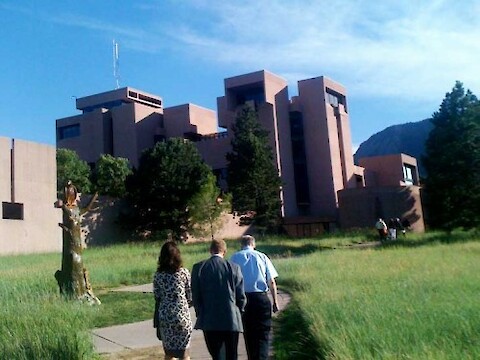
The National Council for Science and the Environment (NCSE), based in Washington, D.C., supports a group of university administrators called the Council for Environmental Deans & Directors (CEDD). This group has two annual meetings; a winter meeting in Washington, D.C. and a summer conference in different locations around the country. The 2010 summer conference was hosted by the University Corporation for Atmospheric Research (UCAR) in Boulder, Colorado.
How do we learn about the world around us? How do we tap into the natural curiosity kids possess? How do you create a sense of place in a virtual world? Such hefty questions require expert knowledge from a variety of fields.
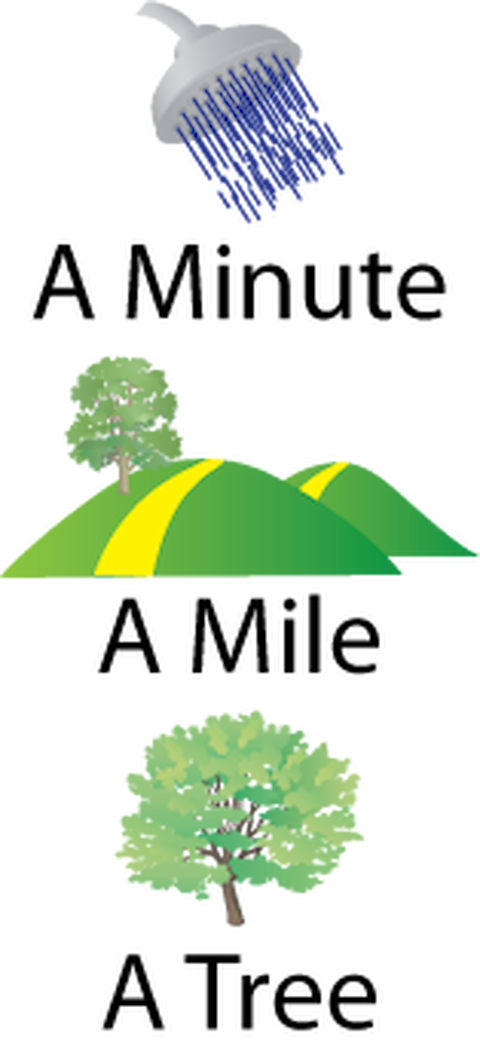
How can a minute, a mile, and a tree help protect and restore the Chesapeake Bay? Saving water, driving less, and planting trees are all ways to help protect and restore our local waterways, including the Chesapeake Bay. A Minute. By taking one minute off your shower you can save a gallon of water per day.
The concept of Chesapeake environmental literacy derives from a series of programs that have established various literacy principles, for example, ocean literacy (www.coexploration.org). These programs have distilled the essence of what an informed person needs to know, thus informing both formal (e.g., classroom) and informal (e.g., museums) educators.