This is the sixth and final blog post in a series which celebrates the IAN symbol library by highlighting some of the most interesting symbols. Previous blog posts have focused on marine flora and fauna, birds, trees and animals. This blog post focuses on human aspects, with human structures and people themselves. 1. The symbol of a teacher reflects one of the developments of the IAN symbol library.
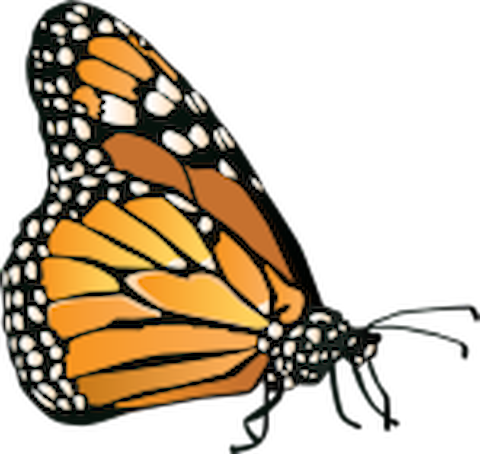
This is the fifth blog post in a series of blog posts which celebrate the IAN symbol library by highlighting some of the most interesting symbols. Previous blog posts have focused on marine flora and fauna, birds and trees. This blog post focuses on terrestrial animals, from small (e.g., butterflies) to large (e.g., whales). 1. The Monarch Butterfly (Danaus plexippus) was the first butterfly that I learned growing up in Ohio. We had milkweed plants in our yard, which attracted Monarchs.
This is the fourth blog post in a series which celebrates the Integration and Application Network (IAN) symbol library by highlighting some of the most interesting symbols. The previous blogs were on marine flora and fauna, and birds and this blog is focused on trees and shrubs in the IAN symbol library. 1) The Gum Tree (Eucalyptus spp.) symbol is one of my favorites, with its distinctive shiny leaves, open canopy and mottled bark.
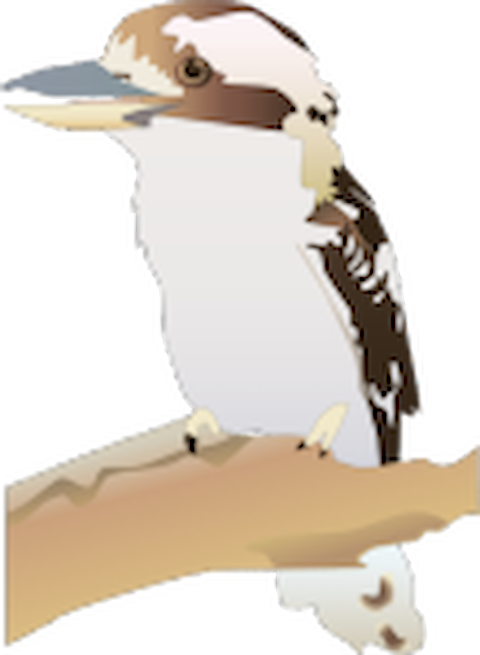
This is the third blog post in a series which celebrates the Integration and Application Network (IAN) symbol library by highlighting some of the most interesting symbols. The first blogs were of marine flora and fauna and this blog depicts some of the beautiful birds in the IAN symbol library. 1) My favorite bird is the laughing kookaburra (Dacelo novaeguineae), a large raucous Australian bird with a distinctive call.
This is the second blog post in a series which celebrates the IAN symbol library by highlighting some of the most interesting symbols. The first blog was top ten marine flora, since this was the focus of the Marine Botany group at the University of Queensland who began drawing vector symbols. The logical next group of symbols, depicted here, are some of the marine animals that live in and around marine flora.
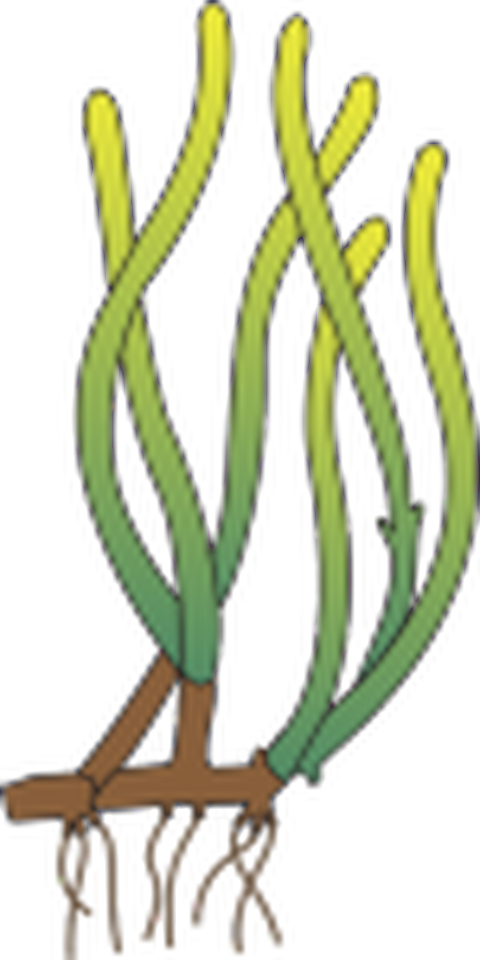
This is the first blog post in a series which celebrates the IAN symbol library by highlighting some of the most interesting symbols. There are currently 2660 symbols in the Integration and Application Network symbol library. This library has grown organically, with new symbols created by talented Science Communicators as they are needed. We have rarely stepped back and viewed this accruing library as a whole.
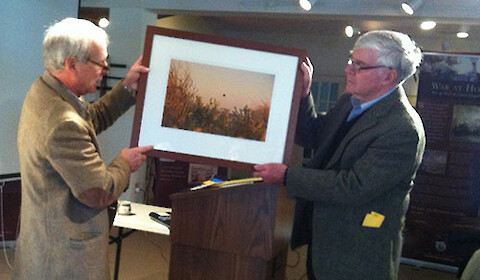
I attended the 6th Annual Dorchester Citizens for Planned Growth meeting at the Dorchester County Historical Society on January 27. It was a good gathering of people who live on or near the streams, rivers and Chesapeake Bay of Dorchester County. Dorchester County has a lot of wetlands and streams, with abundant wildlife. The event featured local oysters on the half shell and goose meat. There were two skipjack captains in the audience as well.
We have long advocated "Raising the bar" for science communication products. We feel that complex ideas can be effectively communicated, as long as the language and visualizations are clear, concise and concrete. The communication specialists often advocate "Dumbing it down", reducing the complex to very simplistic terms, glossing over any complexities to form 'sound bites'.
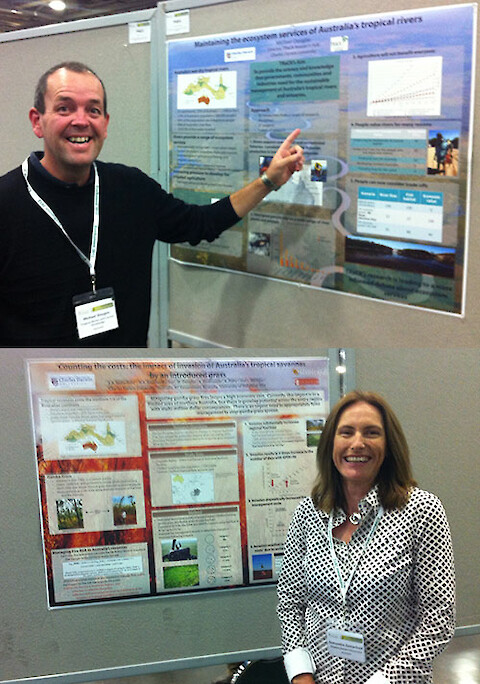
We said good-bye to Drs. Michael Douglas (‘Dougo’) and Samantha Setterfield (‘Sam’) from Charles Darwin University in Darwin, Northern Territory, Australia last week. Dougo and Sam joined the Integration and Application Network in August 2012 as part of their sabbatical. Dougo was in the U.S. as a Fulbright Scholar and he and Sam spent a couple of months at Oregon State University before coming to Maryland.
EcoCheck was formed in 2004 as a partnership between the University of Maryland Center for Environmental Science (UMCES) and the National Oceanographic and Atmospheric Administration (NOAA). It was created by Drs. Bill Dennison (UMCES) and Bob Wood (NOAA) to develop ecological forecasting and environmental reporting capacity in the Chesapeake Bay.