Blog posts by Bill Dennison
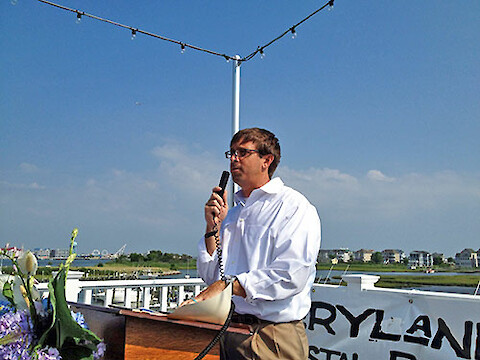
Dave Wilson, Executive Director of the Maryland Coastal Bays Program. Credit: Bill Dennison

Coastal Bays report card launch

Bill Dennison · Environmental Report Cards | 

The Maryland Coastal Bays report card launch was held on 27 June 2013, on a Mickey Fins balcony overlooking the Coastal Bays waterways. It was a gorgeous day with a nice breeze and stupendous views. Dave Wilson, the Executive Director of the Maryland Coastal Bays Program, was the Master of Ceremonies for the report card launch. Bud Church, President of Worcester County Commission, welcomed everyone and acknowledged the elected officials in attendance.

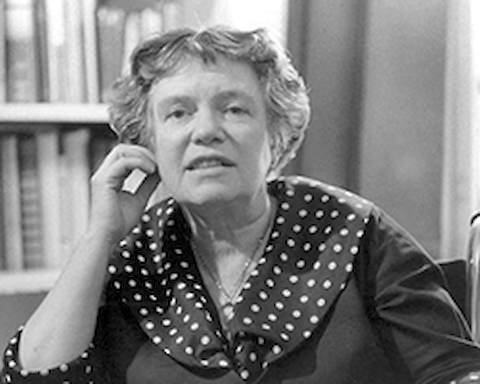
Margaret Mead (1901-1978)

Top ten quotes that influenced my career

Bill Dennison · Science Communication | Applying Science | 

"Never doubt that a small group of thoughtful, committed citizens can change the world. Indeed, it's the only thing that ever has." Margaret Mead (1901-1978) This Margaret Mead quote is my favorite quote associated with building a team of competent people working on environmental issues. The quote is very empowering, as it reminds us that changing the world is not simply in the province of large organizations or powerful individuals.

St. Bernard Parish seal with Chalmette National Historical Park monument for the Battle of New Orleans.

Coastal Louisiana issues discussed at public meeting in St. Bernard Parish

Bill Dennison · Environmental Report Cards | 

On 17 June 2013, I traveled to The Water Institute of the Gulf (TWIG) in Baton Rouge, Louisiana to discuss the development of a Coastal Louisiana report card. The discussion centers around developing indicators of sustainable landscapes and resilient communities for coastal Louisiana. We established a strategy of providing annual coastal updates and biennial report cards ahead of the next Master Plan (2017).

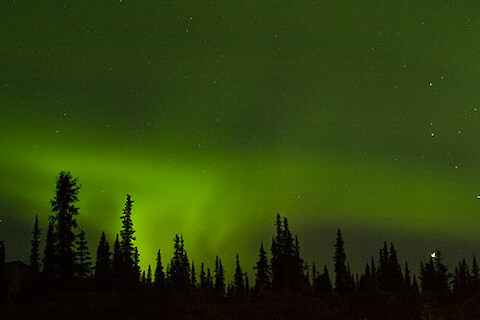
The Northern Lights are caused when particles thrown off the surface of the sun collide with the atmosphere of the Earth. Credit: Adrian Jones

Seven natural wonders of the world

Bill Dennison · Learning Science |     1 comments

The original “seven wonders of the world” were manmade structures, often in iconic settings. The impact of seeing these manmade creations was what made them the wonders. Similarly, the seven natural wonders of the world are focused on the iconic settings that impact those viewing them. These natural wonders are both physical and biological, united in their ability to create lasting memories in those who view them.

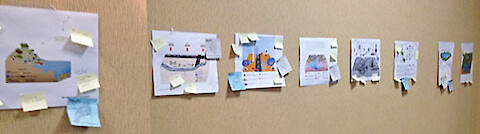
Conceptual diagrams 'poster session' showing diagrams created by the participants using the IAN online diagram creator.

Scaling Up: Future of Environmental Decisions workshop

Bill Dennison · Science Communication | Learning Science | 

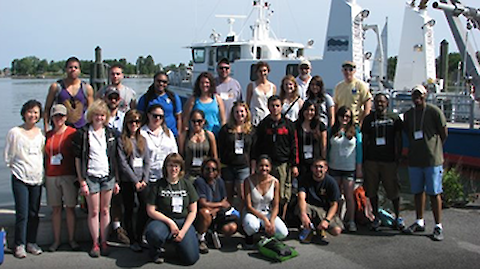
The Ecological Society of America (ESA) organized two simultaneous workshops for a) senior undergraduate and beginning graduate students in ecology and b) early career academic ecologists for a one-week training workshop during the week of 2-7 June 2013. The workshops were based at the Maritime Institute in Baltimore, Maryland and the National Science Foundation provided financial support.

Singing the Chesapeake Blues

Singing the Chesapeake Bay Blues

Bill Dennison · Science Communication |     2 comments

As part of the Scaling Up: Future of Environmental Decisions workshop (2-7 June 2013), I wrote "Singing the Chesapeake Bay Blues". Apologies to my colleague Howard Ernst, who wrote an excellent book "Chesapeake Bay Blues", for adopting his book title into the song. This workshop was sponsored by the Ecological Society of America, with National Science Foundation funding.

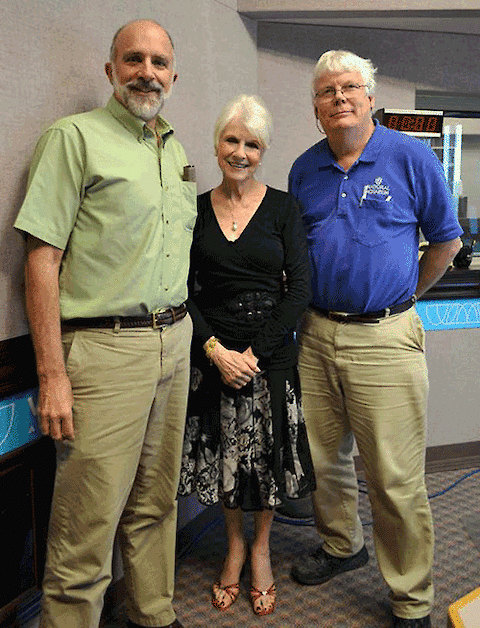
Panel discussion on jellyfish at The Diane Rehm Show. Left to right: Bill Dennison, Diane Rehm and Jack Cover. Credit: Amy Pelsinsky

Discussing jellyfish with scientific colleagues and Diane Rehm

Bill Dennison · Science Communication | Learning Science | 

On 4 June 2013, I joined a panel on the National Public Radio's Diane Rehm Show at the WAMU studio in Washington, D.C. to talk about jellyfish. Diane had Lisa-Ann Gershwin, a jellyfish taxonomist who wrote the book "Stung: On jellyfish blooms and the future of the oceans" on the show. Jack Cover, general curator at the National Aquarium in Baltimore who collects jellyfish from Chesapeake Bay to display in the Aquarium, was also on the panel.

Meeting of the Vansville Farmers Club.

Farming and Chesapeake Bay: Initiating a dialog with the Vansville Farmers Club

Bill Dennison · Science Communication | 

The Vansville Farmers Club was formed in 1884 as a successor to the Maryland Agricultural Society at the home of James D. Cassard. Club members meet at each other's farms on a monthly basis, tour the facilities and share practices with each other. The Vansville Farmers Club created the first Farmers' Institute that developed into a statewide Farmers' Institute, which then evolved into the Extension Service of the University of Maryland.

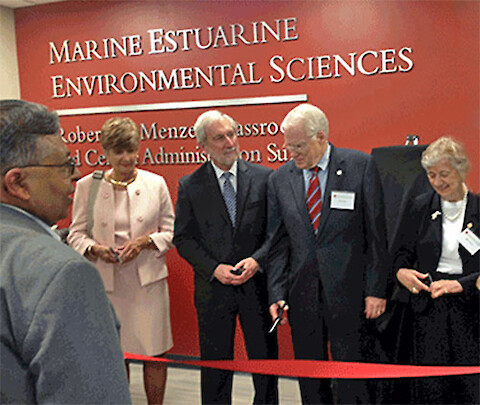
Ribbon cutting at Menzer center dedication ceremony. Left to right: Drs. Jayanth Banavar, Pat Florestano, Don Boesch, Brit Kirwin, Rita Colwell, and Mary Ann Rankin.

Commemorating Bob Menzer at Marine Estuarine and Environmental Sciences

Bill Dennison · Science Communication | Learning Science | 

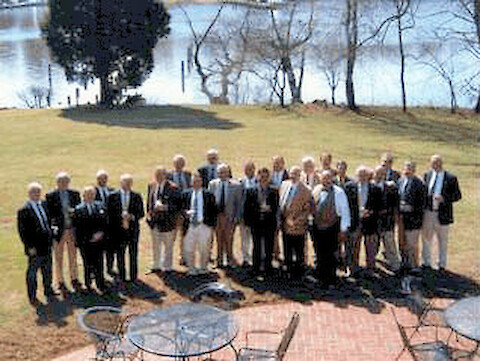
On May 16, Marine Estuarine and Environmental Sciences (MEES) students, faculty and alumni gathered in the newly renovated HJ Patterson Hall on the University of Maryland College Park campus in honor of Dr. Robert E. "Bob" Menzer. The occasion was the formal opening of the new Robert E. Menzer Classroom and Central Administration suite. Two state of the art electronic classrooms, offices, and conference room were unveiled.