IAN is committed to producing practical, user-centered communications that foster a better understanding of science and enable readers to pursue new opportunities in research, education, and environmental problem-solving. Our publications synthesize scientific findings using effective science communication techniques.
Stakeholder Engagement is Key to Creating a Vision for the Future
William C. Dennison, Vanessa Vargas-Nguyen, Keita Furukawa, Sidney Anderson, Roshni Nair, Arga C. Anil, Rhodora V. Azanza, S. Lili Badri, Lourdes J. Cruz, Pål I. Davidsen, Dattesh V. Desai, Charissa Ferrera, Tom Gerald Genovia, Gil Jacinto, Lidita Khandeparker, Midori Kawabe, Masashi Kodama, Pheng Lor, Veronica M. Lucchese, Yasumasa Miyazawa, Yushi Morioka, Hilde Maria Nacorda, Kazuo Nadaoka, Takashi Nakamura, Aklilu Tilahun Tadesse, Hiroshi Yagi ·
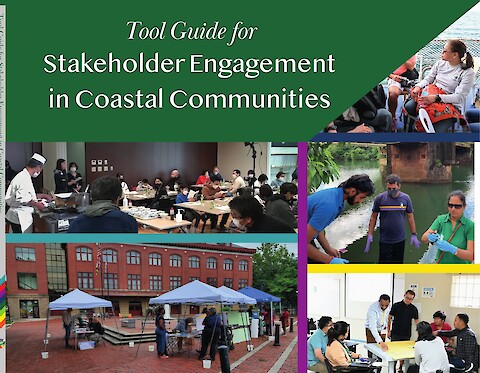
To learn more about best practices for organizing, facilitating, and interpreting the responses from stakeholder engagement events, download our Tool Guide for Stakeholder Engagement in Coastal Communities here.
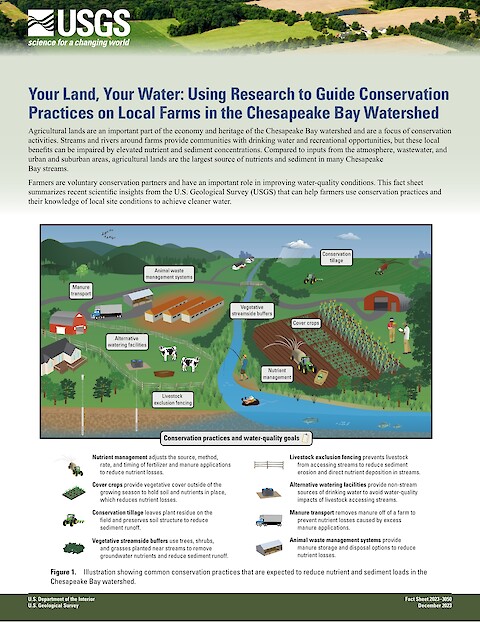
Agricultural lands are an important part of the economy and heritage of the Chesapeake Bay watershed and are a focus of conservation activities. Streams and rivers around farms provide communities with drinking water and recreational opportunities, but these local benefits can be impaired by elevated nutrient and sediment concentrations.
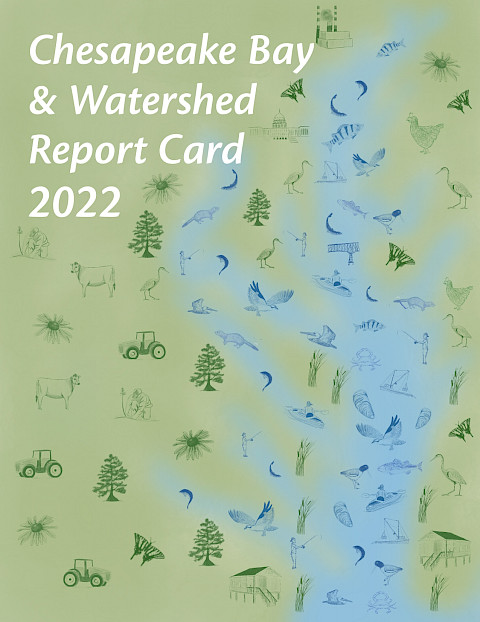
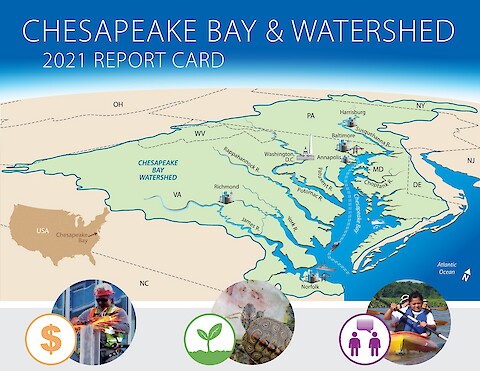
This report card provides a transparent, timely, and geographically detailed assessment of Chesapeake Bay and its Watershed. Since 2016, UMCES has engaged stakeholders throughout the watershed to transform the report card into an evaluation of the Chesapeake Watershed health. Watershed health includes traditional ecological indicators, but also economic and societal indicators. This is the fourth year the watershed has been scored, and one new ecological indicator has been added.
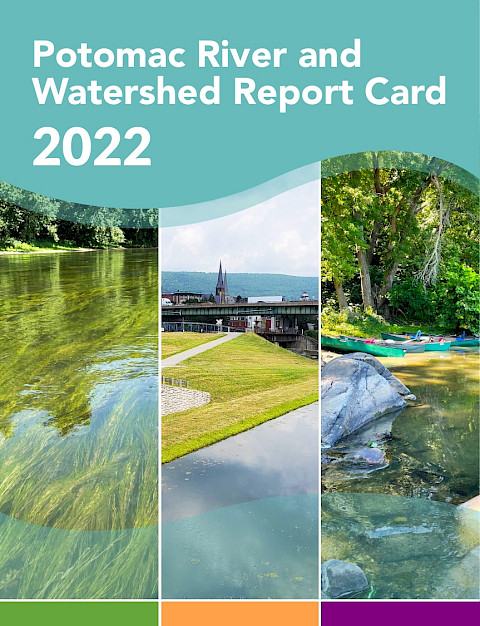
The first-ever Potomac River and Watershed Report Card was released in tandem with the 2022 Chesapeake Bay and Watershed Report Card this year. Every year, the Chesapeake Bay and Watershed are graded on a variety of ecological, social, and economic indicators. For 2022, the COAST Card Project took a closer look at the Potomac Watershed, a sub-watershed of the Chesapeake, to help inform decision-making in more focused areas throughout the watershed.
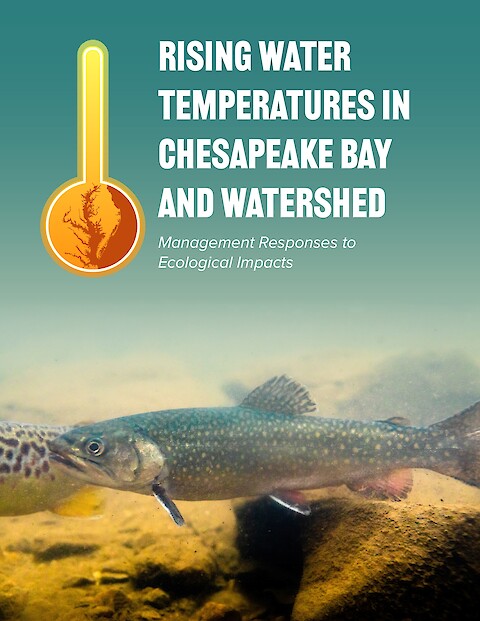
The Chesapeake Bay Scientific and Technical Advisory Committee (STAC) and IAN have partnered to synthesize the contents of their latest publication on Rising Watershed and Bay Water Temperatures— Ecological Implications and Management Responses into a report summary outlining key management and research recommendations, the causes and effects of rising water temperatures, and actions for moving forward. This document also builds on the previous STAC Rising Water Temperatures Workshop newsletter.
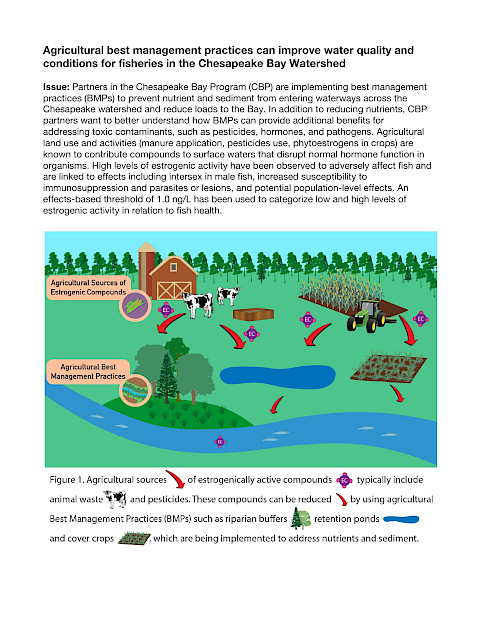
This publication serves as a summary of Gordon et al. (2022) and was prepared in collaboration between the USGS and the University of Maryland Center for Environmental Science, Integration and Application Network. The summary touches on key findings of the study along with management implications and applications. Please feel free to download the summary here or check it out on the USGS website:
Advancing the Coastal Ocean Assessment for Sustainability and Transformation Project in the Chesapeake Bay
Vanessa Vargas-Nguyen, Sidney Anderson, Lili Badri, and Bill Dennison ·
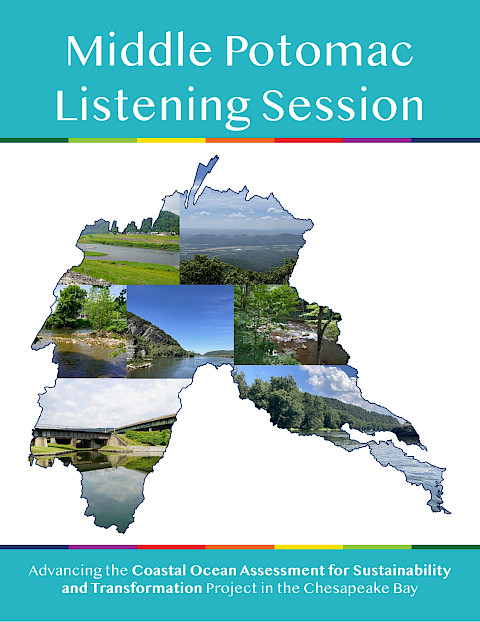
IAN Staff and the visiting Global Sustainability Scholars hosted a Middle Potomac Listening Session in July 2022 to begin developing the upcoming Potomac Watershed COAST Card.
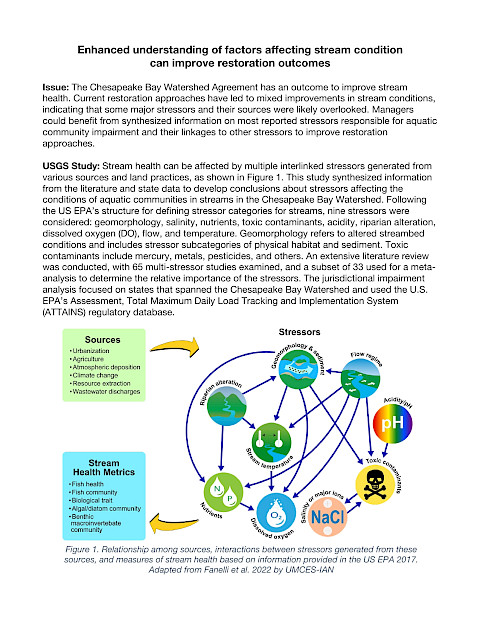
This publication serves as a summary of Fanelli et al. (2022) and was prepared in collaboration between the USGS and the University of Maryland Center for Environmental Science, Integration and Application Network. The summary touches on key findings of the study along with management, monitoring, and reseach applications. Please feel free to download the summary here or check it out on the USGS website:
This report card provides a transparent, timely, and geographically detailed assessment of Chesapeake Bay and its Watershed. Since 2016, UMCES has engaged stakeholders throughout the watershed to transform the report card into an evaluation of the Chesapeake Watershed health. Watershed health includes traditional ecological indicators, but also economic and societal indicators. This is the third year the watershed has been scored, and four new economic indicators have been added.