IAN is committed to producing practical, user-centered communications that foster a better understanding of science and enable readers to pursue new opportunities in research, education, and environmental problem-solving. Our publications synthesize scientific findings using effective science communication techniques.
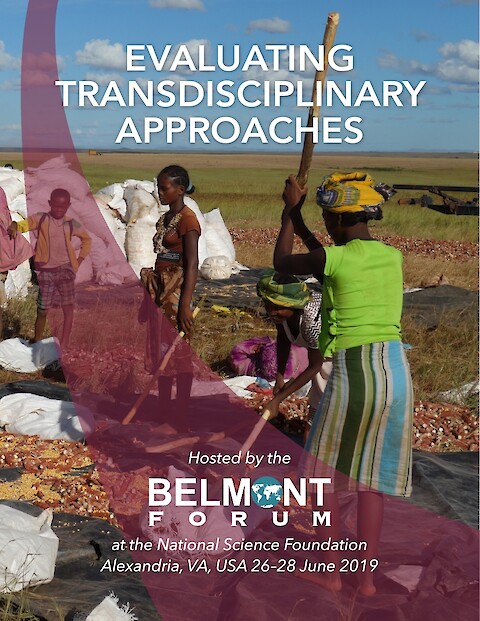
The Evaluating Transdisciplinary Approaches Workshop was convened by the Belmont Forum at the National Science Foundation and facilitated by the University of Maryland Center for Environmental Science in Alexandria, VA, USA on 26–28 June 2019. Participants of the workshop are part of a growing community of transdisciplinary research supporters and practitioners. Their efforts contribute to our fundamental and applied understanding of complex systems.
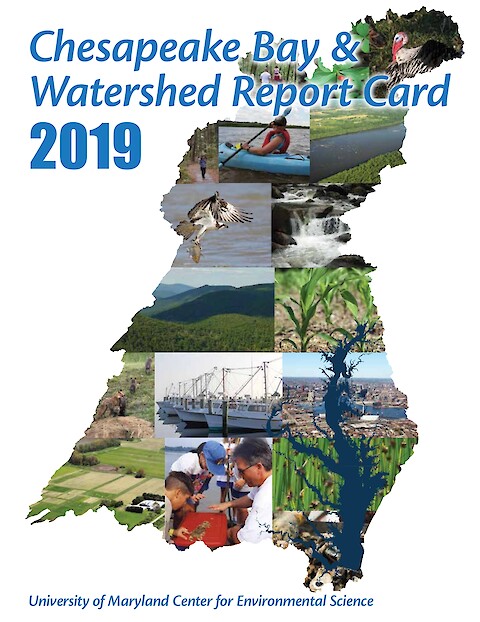
This report card provides a transparent, timely, and geographically detailed assessment of Chesapeake Bay. Since 2016, UMCES has engaged stakeholders throughout the watershed to transform the report card into an evaluation of the Chesapeake Watershed health. Watershed health includes traditional ecosystem indicators, but also social, economic, and cultural indicators. This is the first year the watershed has been scored, using five indicators of ecological and socioeconomic health.
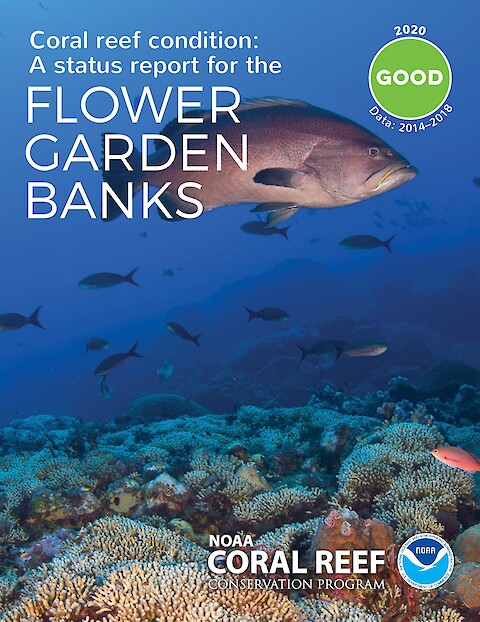
This status report is a joint product of NOAA's Coral
Reef Conservation Program (CRCP), Flower Garden
Banks National Marine Sanctuary, and the University of
Maryland Center for Environmental Science. Science
communication, design, and layout by Nathan Miller,
Caroline Donovan, Heath Kelsey, Max Hermanson, and
Annie Carew. March 2020. ·
Effective coral reef conservation cannot be accomplished without an informed and engaged public. This status report is part of an ongoing series of documents to track the status and trends of coral reefs across the U.S. and its territories. The Flower Garden Banks coral reef status report is part of a larger effort to provide the public and decision-makers with information that helps us manage and conserve coral reef ecosystems.