IAN is committed to producing practical, user-centered communications that foster a better understanding of science and enable readers to pursue new opportunities in research, education, and environmental problem-solving. Our publications synthesize scientific findings using effective science communication techniques.
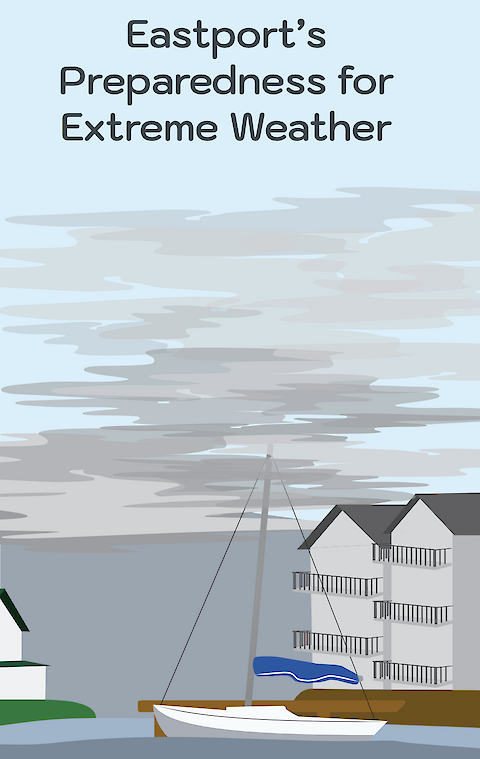
This community-level resilience report card examines the preparedness of the Eastport neighborhood in Annapolis, MD to threats like severe weather and flooding. After surveying community members to identify priority concerns in the neighborhood, indicators to assess threats and resilience around those concerns were selected to give the community a preparedness score. This report card recommends individual and community-wide actions that can reduce vulnerability in areas of concern.
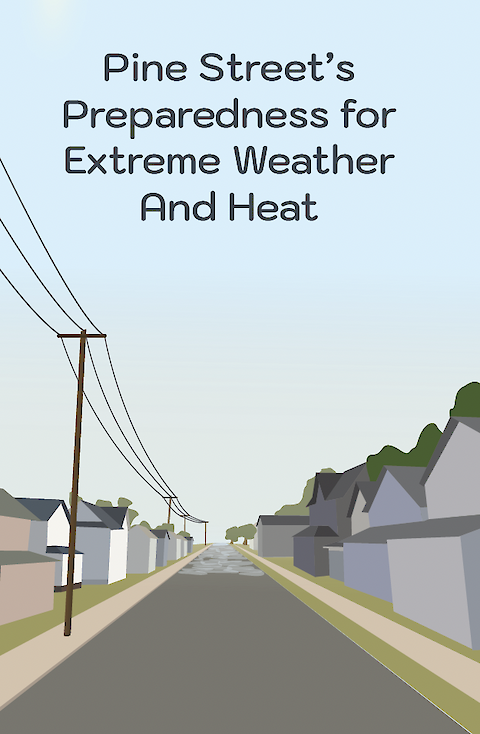
This community-level resilience report card examines the preparedness of the Pine Street neighborhood in Cambridge, MD to threats like severe weather and extreme heat. After surveying community members to identify priority concerns in the neighborhood, indicators to assess threats and resilience around those concerns were selected to give the community a preparedness score. This report card recommends individual and community-wide actions that can reduce vulnerability in areas of concern.
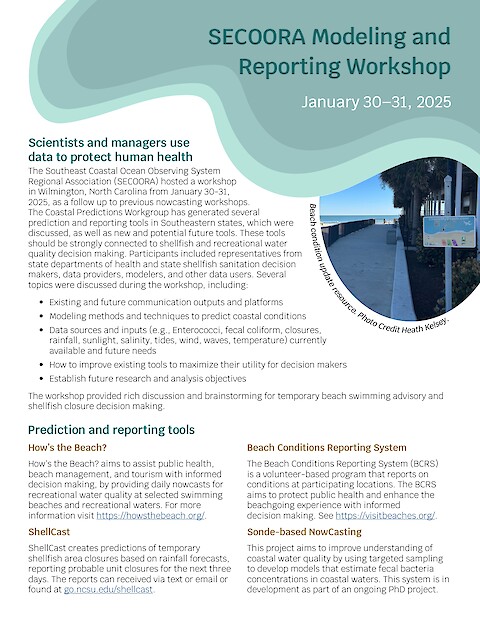
The Southeast Coastal Ocean Observing System Regional Association (SECOORA) hosted a workshop in Wilmington, NC to discuss several prediction and reporting tools in use in the Southeastern United States. Researchers, developers, and experts came together to identify gaps in reporting, ways to improve current tools, and possible future tools, reporting methods, and research objectives.
Dennison WC, Furukawa K, Nadaoka K, Vargas-Nguyen V, Anderson S ·
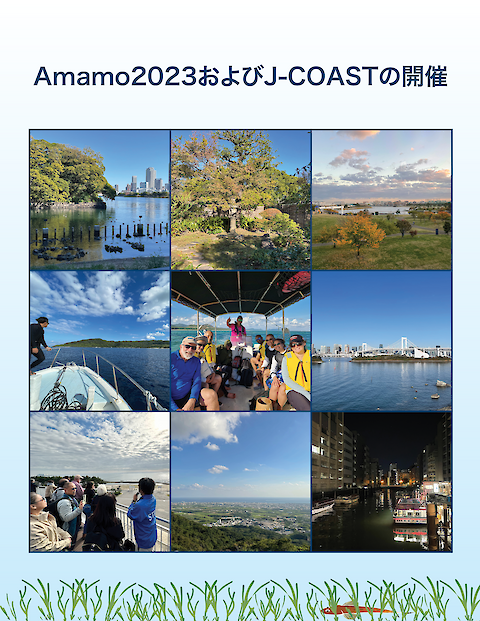
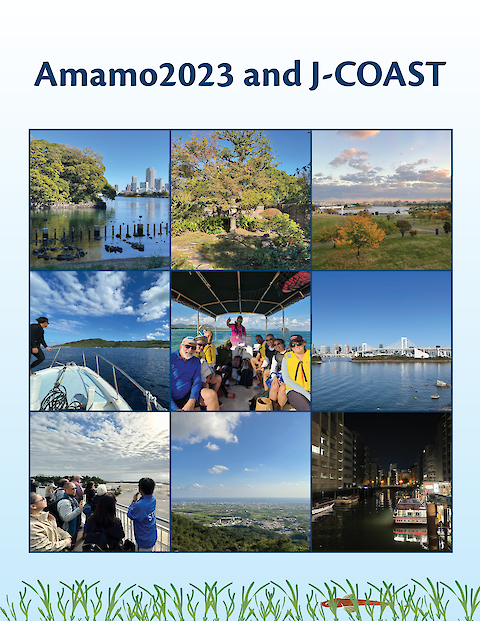
From November 17th to 22nd, the COAST Card team met in Tokyo, Japan for the Amamo2023 and JCOAST conference and meeting hosted at the Sasikawa Peace Foundation. While there, team members listened to and presented talks on seagrass, blue carbon, science communication, and the COAST Card Project. They visited various places around Tokyo that are of interest to the COAST Card Project or serve as sites of engagement and restoration events.
Dennison WC, Furukawa K, Nadaoka K, Vargas-Nguyen V, Anderson S ·
From November 17th to 22nd, the COAST Card team met in Tokyo, Japan for the Amamo2023 and JCOAST conference and meeting hosted at the Sasikawa Peace Foundation. While there, team members listened to and presented talks on seagrass, blue carbon, science communication, and the COAST Card Project. They visited various places around Tokyo that are of interest to the COAST Card Project or serve as sites of engagement and restoration events.
Vargas-Nguyen V, Edgerton J, Nair R, Anderson S, Badri L, Lucchese V, Fife A, Kelsey H, Dennison B, Knauss C, Trenholm N ·
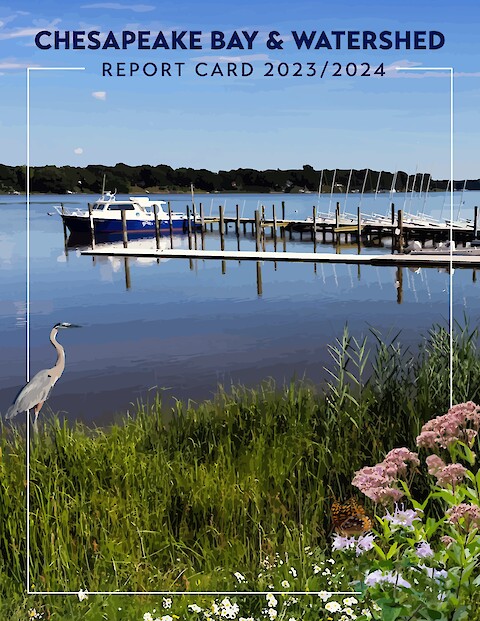
This report card provides a transparent, timely, and geographically detailed assessment of Chesapeake Bay and its Watershed. Since 2016, UMCES has engaged stakeholders throughout the watershed to transform the report card into an evaluation of the Chesapeake Watershed health. Watershed health includes traditional ecological indicators, but also economic and societal indicators.
Stakeholder Engagement is Key to Creating a Vision for the Future
William C. Dennison, Vanessa Vargas-Nguyen, Keita Furukawa, Sidney Anderson, Roshni Nair, Arga C. Anil, Rhodora V. Azanza, S. Lili Badri, Lourdes J. Cruz, Pål I. Davidsen, Dattesh V. Desai, Charissa Ferrera, Tom Gerald Genovia, Gil Jacinto, Lidita Khandeparker, Midori Kawabe, Masashi Kodama, Pheng Lor, Veronica M. Lucchese, Yasumasa Miyazawa, Yushi Morioka, Hilde Maria Nacorda, Kazuo Nadaoka, Takashi Nakamura, Aklilu Tilahun Tadesse, Hiroshi Yagi ·
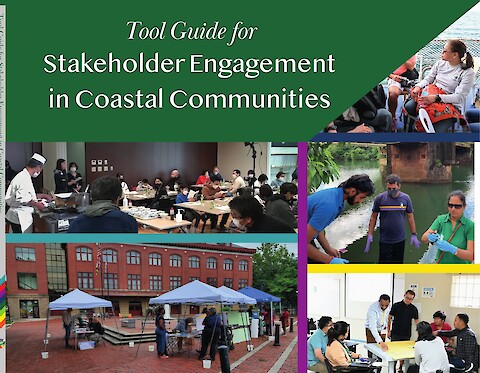
To learn more about best practices for organizing, facilitating, and interpreting the responses from stakeholder engagement events, download our Tool Guide for Stakeholder Engagement in Coastal Communities here.
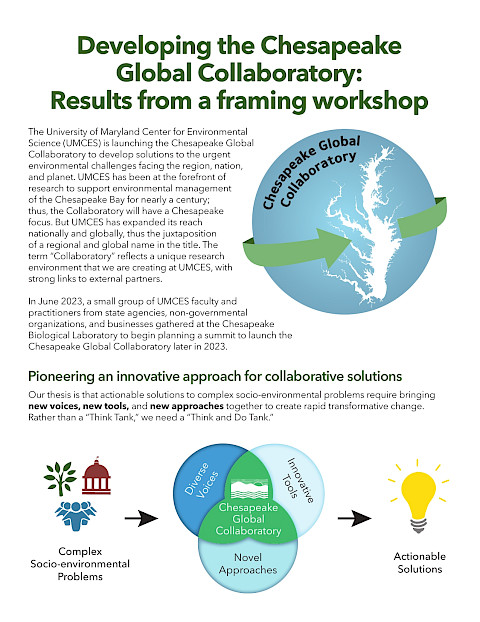
The University of Maryland Center for Environmental Science (UMCES) is launching the Chesapeake Global Collaboratory to develop solutions to the urgent environmental challenges facing the region, nation, and planet.
This report card provides a transparent, timely, and geographically detailed assessment of Chesapeake Bay and its Watershed. Since 2016, UMCES has engaged stakeholders throughout the watershed to transform the report card into an evaluation of the Chesapeake Watershed health. Watershed health includes traditional ecological indicators, but also economic and societal indicators. This is the fourth year the watershed has been scored, and one new ecological indicator has been added.
The first-ever Potomac River and Watershed Report Card was released in tandem with the 2022 Chesapeake Bay and Watershed Report Card this year. Every year, the Chesapeake Bay and Watershed are graded on a variety of ecological, social, and economic indicators. For 2022, the COAST Card Project took a closer look at the Potomac Watershed, a sub-watershed of the Chesapeake, to help inform decision-making in more focused areas throughout the watershed.