Publications by Tim Carruthers

IAN is committed to producing practical, user-centered communications that foster a better understanding of science and enable readers to pursue new opportunities in research, education, and environmental problem-solving. Our publications synthesize scientific findings using effective science communication techniques.
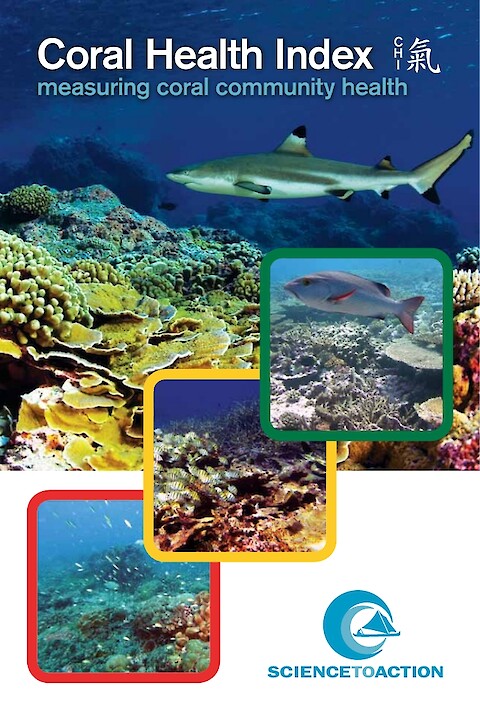
Coral Health Index (CHI): measuring coral community health (Page 1)

Coral Health Index (CHI): measuring coral community health

Kaufman L, Sandin S, Sala E, Obura D, Rohwer F, and Tschirky J ·

Effective local management of coral reefs has a direct effect on reducing threats and improving overall coral community health. Careful zoning and effective enforcement of resource use within a marine managed area reduces impact of overfishing, allowing populations of grazing fish to rejuvenate and maintain healthy ecosystem functioning. Coral reefs that are healthy have greater resilience and ability to recover from chronic and acute stress.

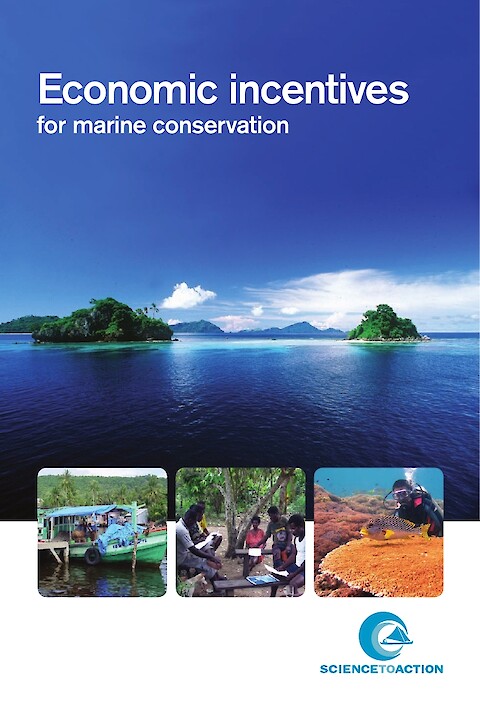
Economic incentives for marine conservation (Page 1)

Economic incentives for marine conservation

Jane Hawkey, Tim Carruthers ·

The challenge of making conservation economically attractive is a critical hurdle for the creation and effective management of marine managed areas. This document describes three approaches to shaping incentives, project design and tool selection, and provides 27 case studies worldwide where incentives were employed in changing behavior.

Groundwater resources at Kaloko-Honokohau National Historical Park (Page 1)

Groundwater resources at Kaloko-Honokohau National Historical Park

Tim Carruthers, Jane Hawkey, Rebecca Most ·

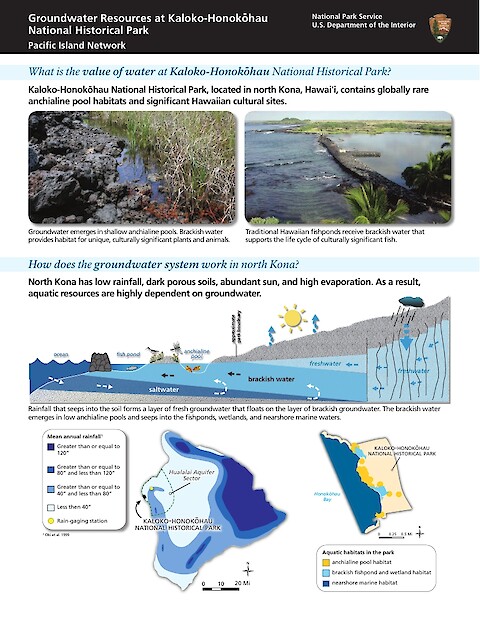
The fragile natural and cultural resources such as anchianline pools, fishponds, and the nearshore marine areas are reliant to varying degrees on the groundwater that filters into Kaloko-Honokohau National Historical Park. Excessive withdrawal of groundwater by development wells upslope and outside the park may threaten those resources with drying out and saltwater intrusion, thereby putting native plant and animals that live in those environments at risk. This brochure outlines these issues.

USS Arizona: once a site of human devastation, now a haven for marine life (Page 1)

USS Arizona: once a site of human devastation, now a haven for marine life

Jane Hawkey, Tim Carruthers, Tracey Saxby ·

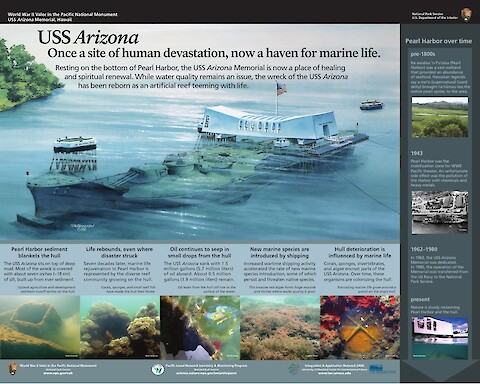
The National Park Services' World War II Valor in the Pacific National Monument features the USS Arizona Memorial in Pearl Harbor, Oahu, Hawaii. This poster, intended for visitor and school audiences alike, presents a side of the historic Memorial often overlooked: the artificial reef that the submerged wreck has become. Five aspects of this natural ecosystem are described.

Economic incentives motivate human behavior change (Page 1)

Economic incentives motivate human behavior change

Jane Hawkey, Tim Carruthers ·

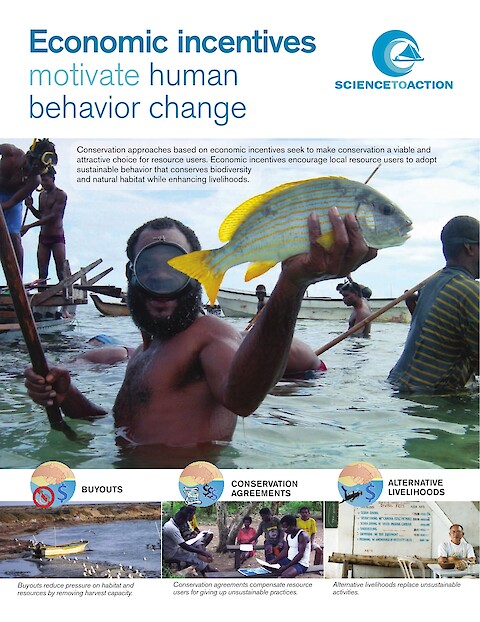
Encouraging local marine resource users to adopt sustainable practices that conserve biodiversity and habitat is the challenge faced by all marine managed areas worldwide. Using three different approaches to motivating behavior changes, 27 case studies were selected for review. This newsletter focuses on the design and success of those approaches as they were employed in three locations: Morro Bay, California; Laguna San Ignacio, Mexico; and Kubulau, Fiji.

Adapting to climate change (Page 1)

Adapting to climate change

Jane Hawkey, Tim Carruthers ·

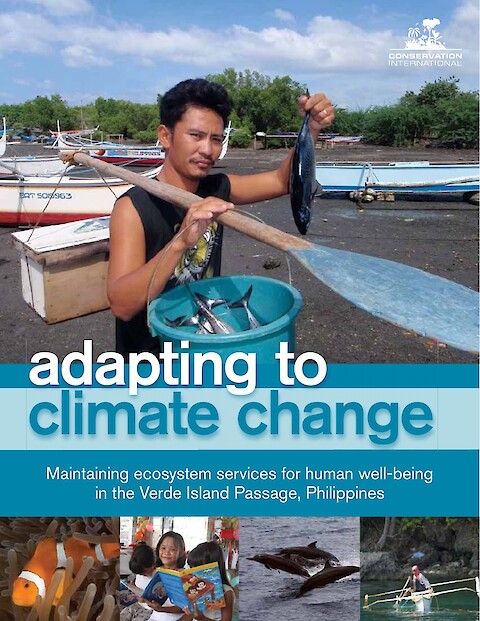
This report represents the climate change vulnerability assessment project conducted by Conservation International in the Verde Island Passage in 2009. It reviews the multiple impacts that threaten the marine biodiversity of this area, while focusing in particular on climate change effects.

Adapting to climate change (Page 1)

Adapting to climate change

Jane Hawkey, Tim Carruthers ·

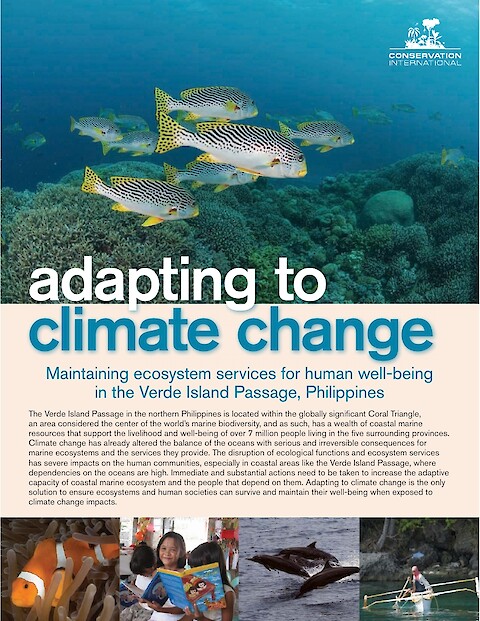
This newsletter summarizes the report by the same name that represents the climate change vulnerability assessment project conducted by Conservation International in the Verde Island Passage in 2009. It reviews the multiple impacts that threaten the natural resources of this area, while focusing on climate change effects in particular.

MMAs: What, why, and where (Page 1)

MMAs: What, why, and where

Orbach M, Bunce Karrer L ·

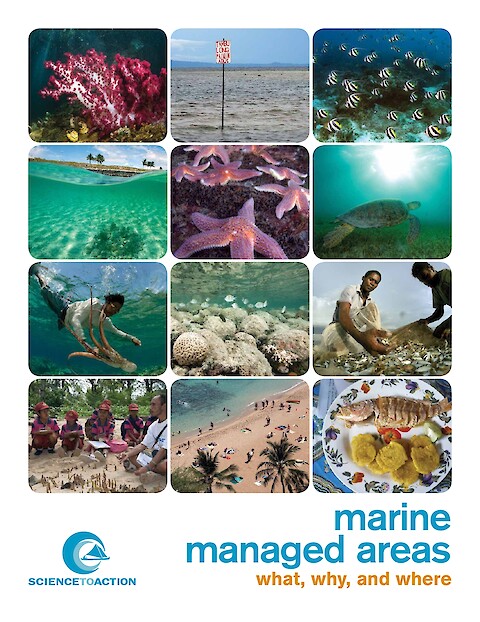
One approach to the development of better coastal and marine policy and management is the concept of marine managed areas (MMAs). A MMA is an area of ocean, or a combination of land and ocean, where all human activities are managed toward common goals. MMAs are a form of ecosystem-based management, where all elements—biophysical, human, and institutional—of a particular system are considered together. This document describes what MMAs are, why they are important, and where they are implemented.