IAN is committed to producing practical, user-centered communications that foster a better understanding of science and enable readers to pursue new opportunities in research, education, and environmental problem-solving. Our publications synthesize scientific findings using effective science communication techniques.

2012-2017 Everglades Report Card (Page 1)

2012-2017 Everglades Report Card

Alexandra Fries, Emily Nastase, Bill Nuttle, Caroline Donovan, Heath Kelsey ·

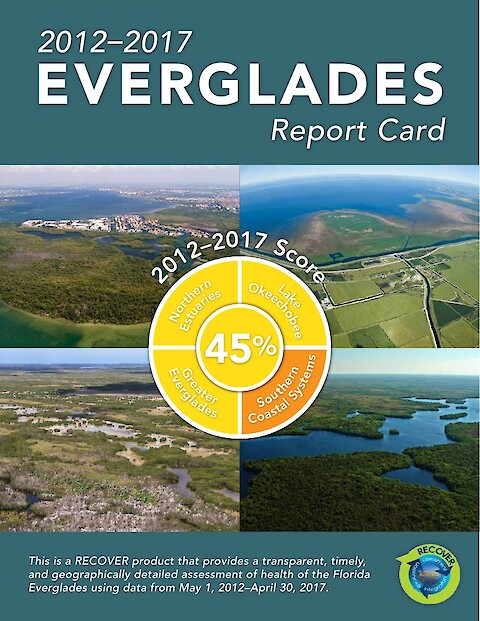
This is the first Everglades report card. It is a RECOVER product that provides a transparent, timely, and geographically detailed assessment of health of the Florida Everglades using data from May 1, 2012 – April 30, 2017. The Everglades Report Card, a complement to the 2019 System Status Report, assesses and synthesizes ecological data to evaluate overall ecosystem condition using performance-driven metrics compared against a goal or ecologically-relevant threshold.

Tuul River Basin Report Card 2019 (Page 1)

Tuul River Basin Report Card 2019

Simon Costanzo, Dylan Taillie ·

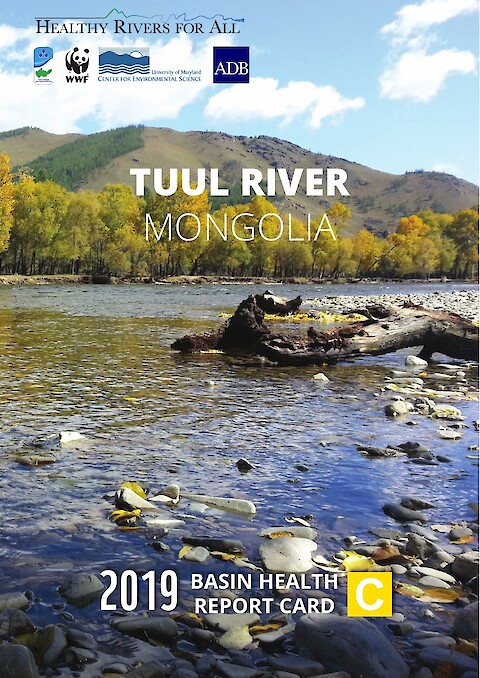
The Tuul River Basin Report Card—the first of its kind in Mongolia—assesses the basin's health through social, environmental and economic values that can be tracked over time in response to management actions and/or external pressures. The Tuul River Basin has been evaluated in this assessment as “moderate” health or ‘C’, meaning urgent management interventions are required to maintain the health of the river.

2017 Maryland Coastal Bays Report Card (Page 1)

2017 Coastal Bays Report Card

Alexandra Fries, Emily Nastase ·

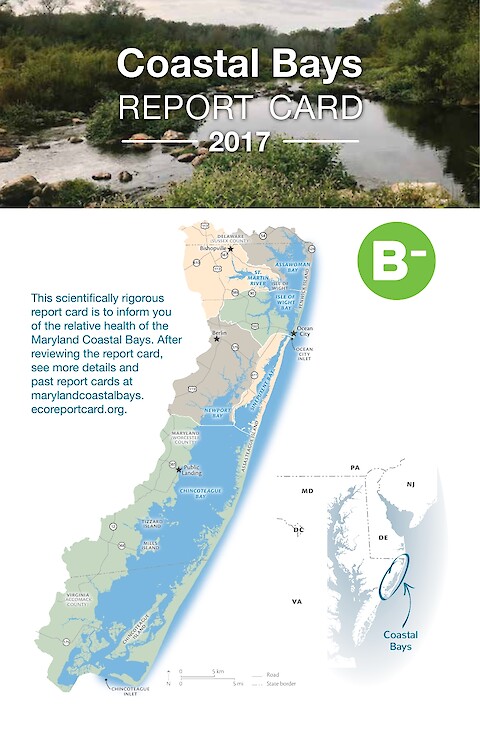
The aim of this report card is to provide a transparent, timely, and geographically detailed assessment of 2017 Coastal Bays health. Coastal Bays health is defined as the progress of four water quality indicators (total nitrogen, total phosphorus, chlorophyll a, dissolved oxygen) and two biotic indicators (seagrass, hard clams) toward scientifically derived ecological thresholds or goals.

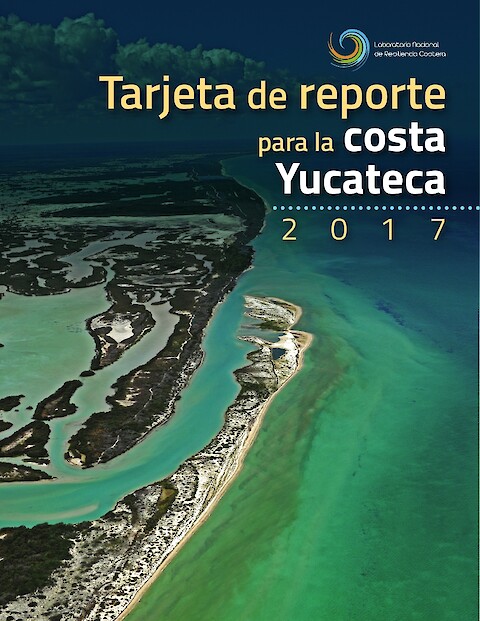
Yucatán State Report Card 2017 (Page 1)

Yucatán State Report Card 2017

Ize I, Guerra A, Zugazagoitia A, Kelsey H, Hawkey J, ·

The first Yucatán Coast Report Card was released in April 2018, by the Laboratorio Nacional de Resiliencia Costera (LANRESC), in Sisal, Yucatán Mexico. The report card illustrates the unique connections of groundwater to important coastal resources and values through porous rock and a system of underground waterways. The report card scores indicators for biodiversity, habitat, and water resources.

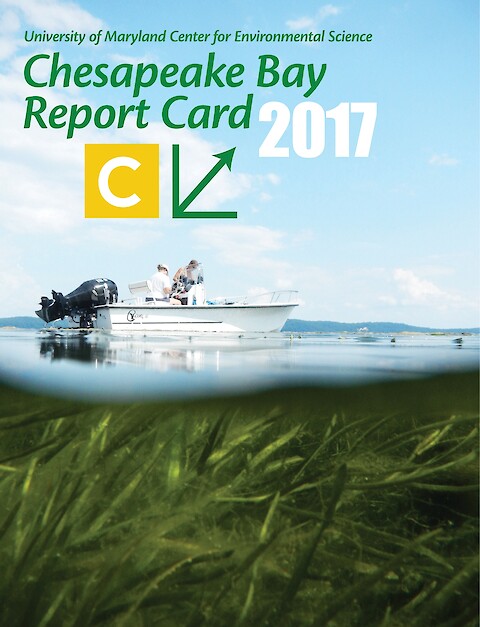
2017 Chesapeake Bay Report Card (Page 1)

2017 Chesapeake Bay Report Card

Dylan Taillie, Alexandra Fries, Jamie Currie, Bill Dennison, Heath Kelsey, Jason Howard, Emily Nastase ·

In past report card years, specific regions throughout Chesapeake Bay have shown improving trends, but this is the first year that the overall Chesapeake Bay is showing significant improvement. Overall Chesapeake Bay Health Scores have been variable in the past. However, since 2015, Chesapeake Bay Health Scores have consistently been in the high C range (53, 54, 54). These consecutive high scores have contributed to an overall positive trajectory for the first time.

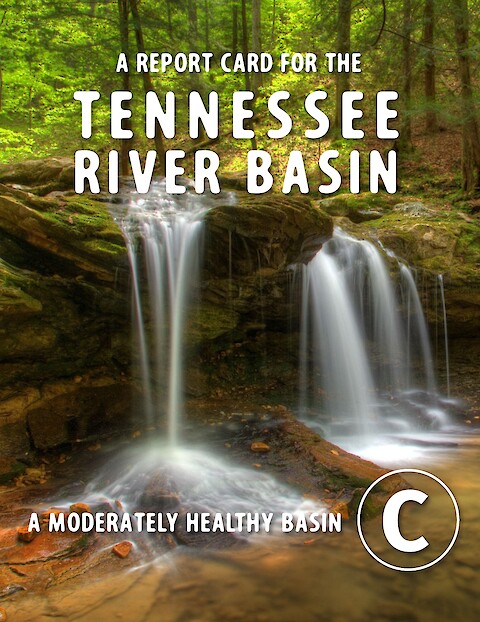
Tennessee River Basin Report Card (Page 1)

Tennessee River Basin Report Card

Dylan Taillie, Emily Nastase, Heath Kelsey, Bill Dennison, Andrew Elmore ·

The first ever Tennessee River Basin Report card provides a snapshot assessment of ecosystem stressors, condition, and protection in the Tennessee River Basin. This report card was produced in collaboration with the Tennessee River Basin Network, the Appalachian Landscape Conservation Cooperative, and the University of Maryland Center for Environmental Science.

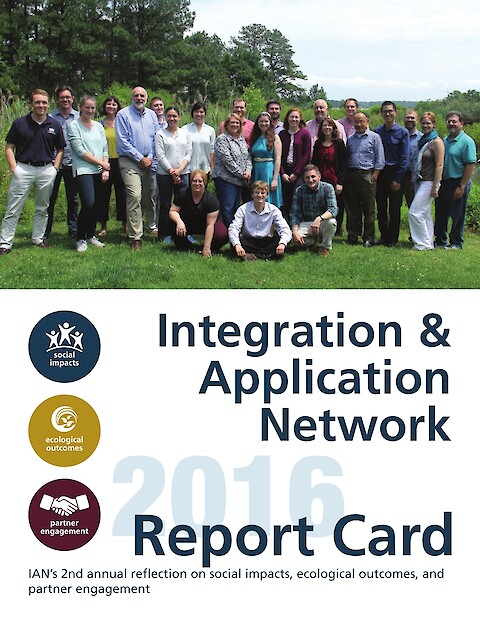
IAN Report Card 2016 (Page 1)

IAN Report Card 2016

Jamie Testa, Bill Dennison, Alexandra Fries ·

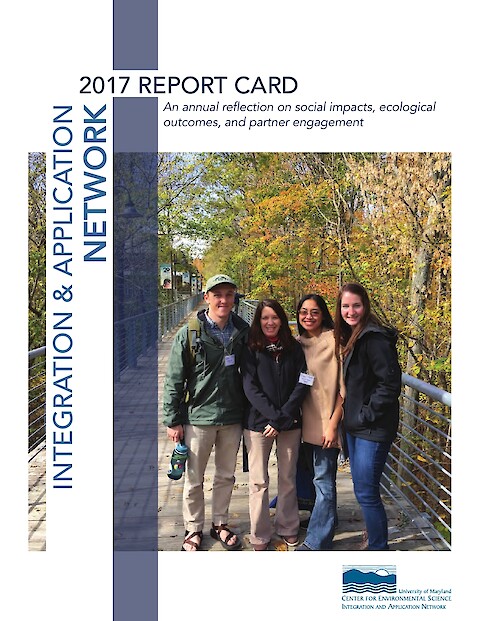
IAN staff reflected back on accomplishments from 2016 in its 2nd annual report card. The self-assessment is based on indicators in three categories: social impacts, ecological outcomes, and partner engagement. IAN received an overall grade of A- (90%) which is up from 2015's grade of B+ (88%).

2016 Maryland Coastal Bays Report Card (Page 1)

2016 Maryland Coastal Bays Report Card

Alexandra Fries, Heath Kelsey, Bill Dennison ·

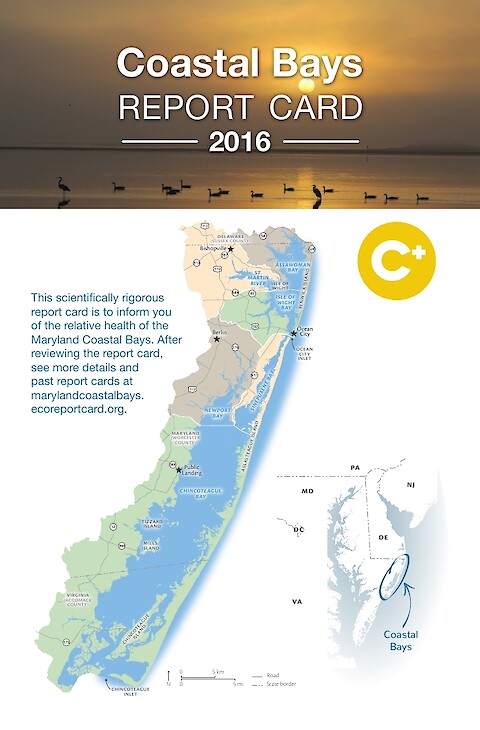
The aim of this report card is to provide a transparent, timely, and geographically detailed assessment of 2016 Coastal Bays health. Coastal Bays health is defined as the progress of four water quality indicators (total nitrogen, total phosphorus, chlorophyll a , dissolved oxygen) and two biotic indicators (seagrass, hard clams) toward scientifically derived ecological thresholds or goals.