IAN is committed to producing practical, user-centered communications that foster a better understanding of science and enable readers to pursue new opportunities in research, education, and environmental problem-solving. Our publications synthesize scientific findings using effective science communication techniques.

2012 Maryland Coastal Bays report card (Page 1)

2012 Maryland Coastal Bays report card

Jane Thomas, Bill Dennison ·

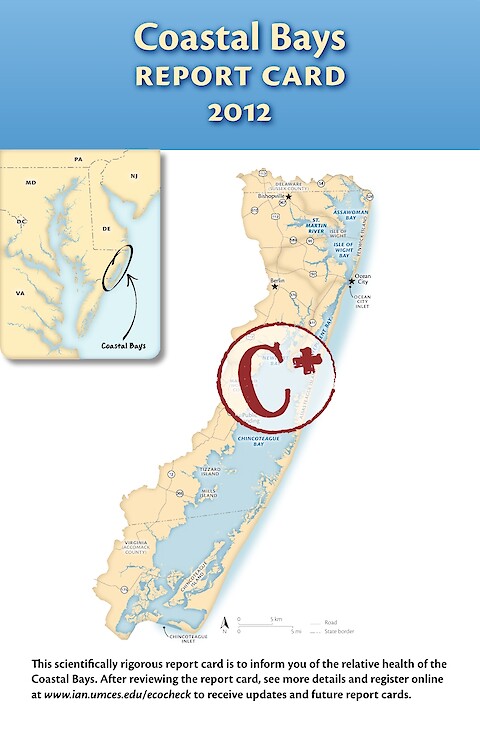
The aim of this report card is to provide a transparent, timely, and geographically detailed assessment of 2012 Coastal Bays health. Coastal Bays health is defined as the progress of four water quality indicators (total nitrogen, total phosphorus, chlorophyll a, dissolved oxygen) and two biotic indicators (seagrass, hard clams) toward scientifically derived ecological thresholds or goals.

Baltimore Healthy Harbor Report Card 2012 (Page 1)

Baltimore Healthy Harbor Report Card 2012

Caroline Donovan, Alexandra Fries ·

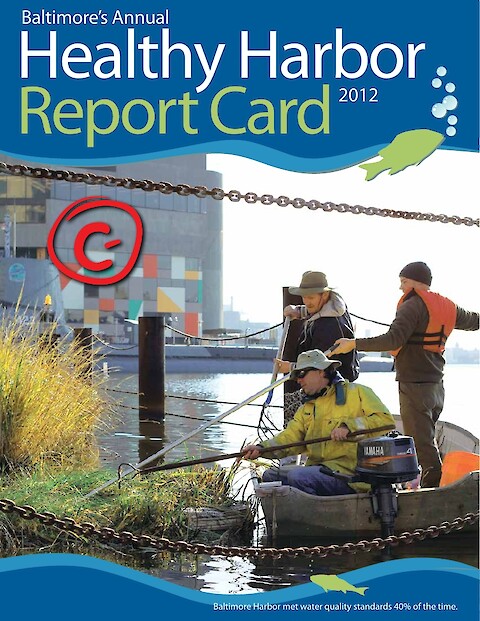
This report card was developed to help lead private citizens, government, and businesses toward a healthy Baltimore Harbor, which is swimmable and fishable by 2020. The Waterfront Partnership of Baltimore, and Blue Water Baltimore, published this Healthy Harbor Report Card to help work toward clean, safe, and accessible streams and Harbor for everyone.

2012 Chester River Report Card (Page 1)

2012 Chester River Report Card

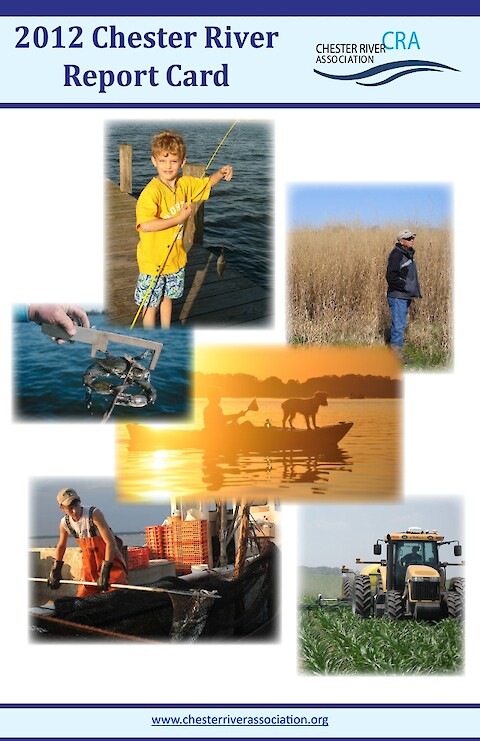
This report card summarizes 2012 water quality in the Chester River, based on data collected by the Chester River Association and various partners. They collect data for five indicators: water clarity, dissolved oxygen, total nitrogen, total phosphorus, and chlorophyll-a. It examines the health of the river in both tidal and non-tidal regions, and provides information on what concerned stakeholders can do to help improve water quality.

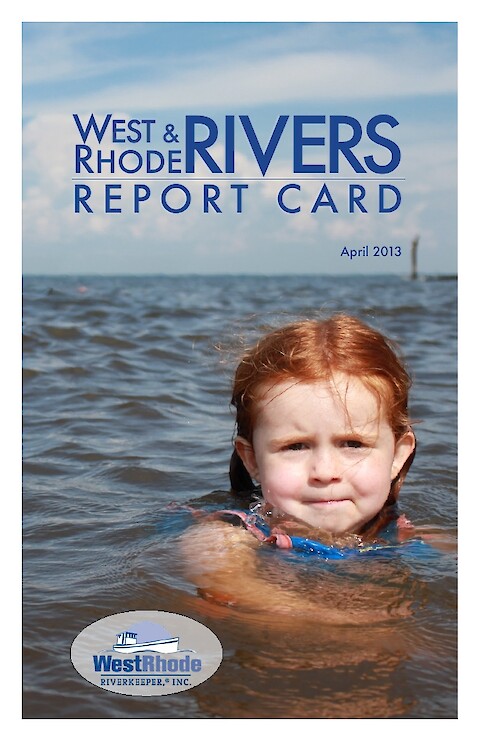
2013 West & Rhode Rivers Report Card (Page 1)

2013 West & Rhode Rivers Report Card

This is the fifth annual West & Rhode Rivers report card. It presents data and information on six different ecological health indicators. It also gives examples of what the public can do to improve health of the rivers.

2012 Report Card - Eastern Bay, Choptank, Miles, and Wye Rivers (Page 1)

2012 Report Card - Eastern Bay, Choptank, Miles, and Wye Rivers

This report card is an assessment of the aquatic health of the Eastern Bay, Choptank, Miles, and Wye Rivers, and is based on data collected by the Midshore Riverkeeper scientists and Midshore Creekwatchers. It is the third annual report card which discusses the status of river health in the midshore during 2012 based on five different indicators.

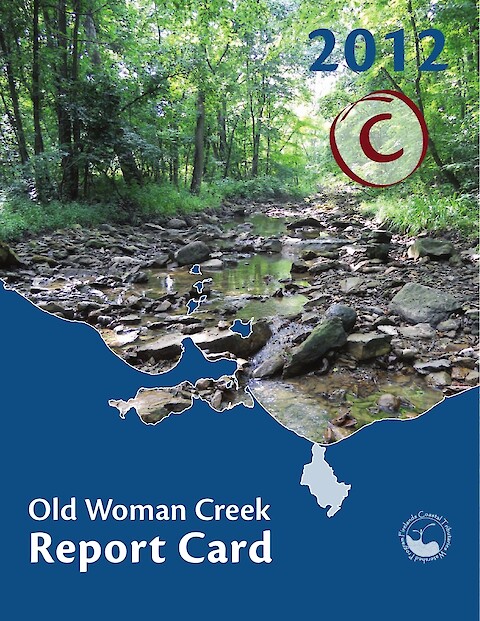
2012 Old Woman Creek Report Card (Page 1)

2012 Old Woman Creek Report Card

Caroline Donovan, Alexandra Fries, Heath Kelsey, Katie Foreman ·

Old Woman Creek, on the south-central shore of Lake Erie, is one of Ohio’s few remaining examples of a natural estuary and is designated as a National Estuarine Research Reserve and a Ohio State Nature Preserve. It is the only Great Lakes freshwater estuary in the National Estuarine Research Reserve System and is managed cooperatively by NOAA and the ODNR.

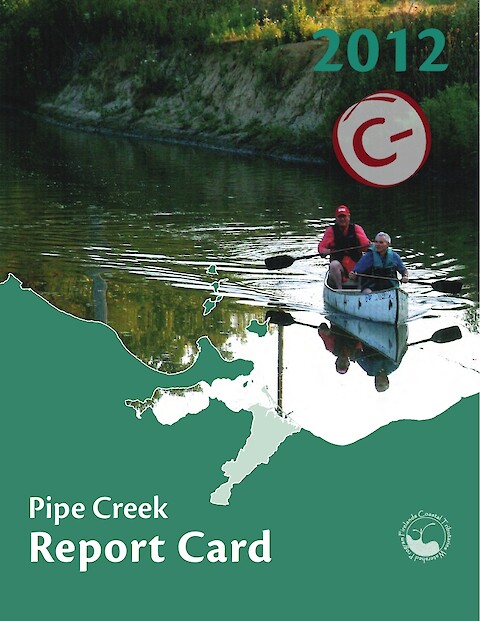
2012 Pipe Creek Report Card (Page 1)

2012 Pipe Creek Report Card

Caroline Donovan, Alexandra Fries, Heath Kelsey, Katie Foreman ·

Pipe Creek is a small tributary to Sandusky Bay on the south-central shore of Lake Erie. The Pipe Creek watershed is largely developed by a combination of urban and agricultural land uses. Pipe Creek is best known for its 97 acre State Wildlife Area located at the mouth of Pipe Creek, which was constructed in the early 1990s as a mitigation site for wetlands destroyed by development elsewhere.

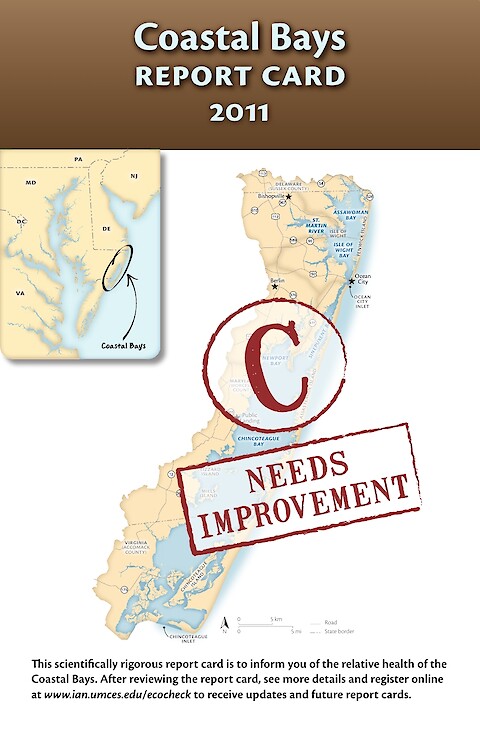
2011 Maryland Coastal Bays report card (Page 1)

2011 Maryland Coastal Bays report card

Jane Thomas, Bill Dennison, Adrian Jones ·

The aim of this report card is to provide a transparent, timely, and geographically detailed assessment of 2011 Coastal Bays health. Coastal Bays health is defined as the progress of four water quality indicators (total nitrogen, total phoshorus, Chlorophyll a, dissolved oxygen) and two biotic indicators (seagrass, hard clams) toward scientifically derived ecological thresholds or goals.

Healthy Harbor Report Card (Page 1)

Healthy Harbor Report Card

Caroline Donovan, Alexandra Fries, Heath Kelsey ·

This report card was developed to help lead private citizens, government, and businesses toward a healthy Baltimore Harbor, which is swimmable and fishable by 2020. The Waterfront Partnership of Baltimore, and Blue Water Baltimore, published this Healthy Harbor Report Card to help work toward clean, safe, and accessible streams and Harbor for everyone.

A vision for America

A vision for America's Great Watershed Report Card

Heath Kelsey, Caroline Donovan, Brianne Walsh, Jonathan Kellogg, Bill Dennison, Alexandra Fries ·

Report cards can be part of a tiered approach to communicating results with varying technical detail. Our vision for this report card framework is based on goals identified in America’s Great Watershed Initiative and derived from principles of Integrated River Basin Management. The framework includes balanced information from Social, Economic, and Environmental sectors, and is intended to be transparent and clear.