IAN is committed to producing practical, user-centered communications that foster a better understanding of science and enable readers to pursue new opportunities in research, education, and environmental problem-solving. Our publications synthesize scientific findings using effective science communication techniques.

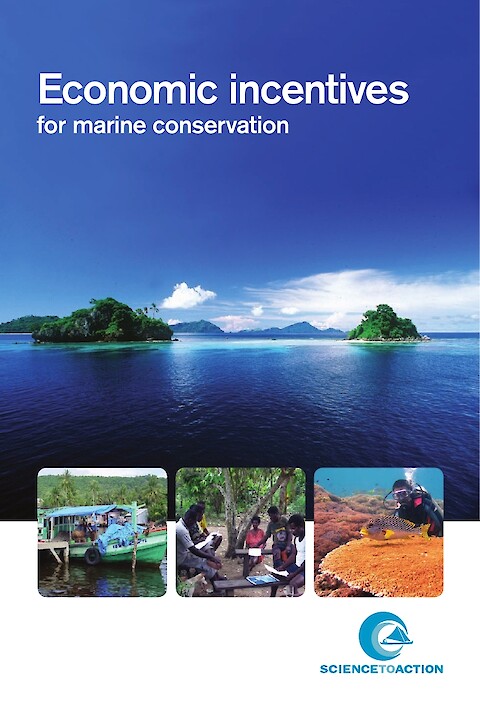
Economic incentives for marine conservation (Page 1)

Economic incentives for marine conservation

Jane Hawkey, Tim Carruthers ·

The challenge of making conservation economically attractive is a critical hurdle for the creation and effective management of marine managed areas. This document describes three approaches to shaping incentives, project design and tool selection, and provides 27 case studies worldwide where incentives were employed in changing behavior.

Adapting to climate change (Page 1)

Adapting to climate change

Jane Hawkey, Tim Carruthers ·

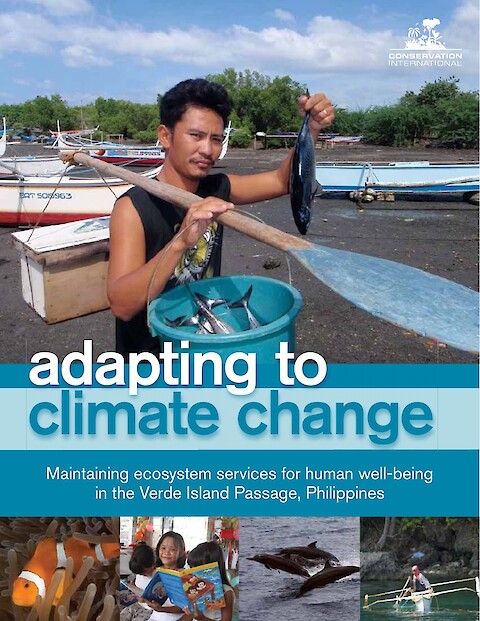
This report represents the climate change vulnerability assessment project conducted by Conservation International in the Verde Island Passage in 2009. It reviews the multiple impacts that threaten the marine biodiversity of this area, while focusing in particular on climate change effects.

MMAs: What, why, and where (Page 1)

MMAs: What, why, and where

Orbach M, Bunce Karrer L ·

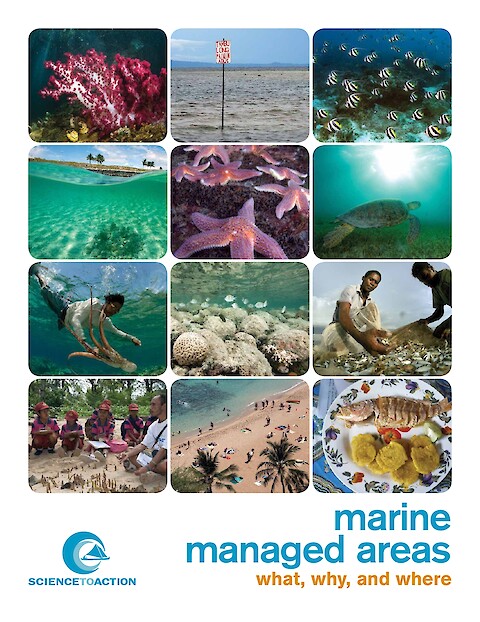
One approach to the development of better coastal and marine policy and management is the concept of marine managed areas (MMAs). A MMA is an area of ocean, or a combination of land and ocean, where all human activities are managed toward common goals. MMAs are a form of ecosystem-based management, where all elements—biophysical, human, and institutional—of a particular system are considered together. This document describes what MMAs are, why they are important, and where they are implemented.

People and Oceans: Managing marine areas for human well-being (Page 1)

People and Oceans: Managing marine areas for human well-being

Samonte G, Bunce Karrer L, Orbach M
·

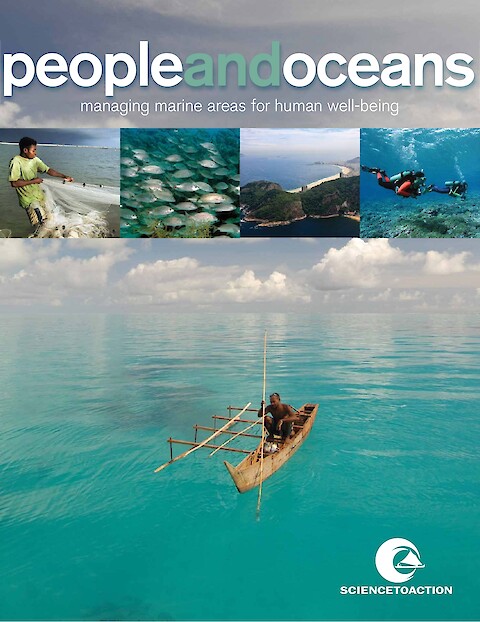
Although much research has been done on the ecological benefits and challenges of marine resource management, comparatively little insight has been gained into the benefits and challenges of the human well-being aspects. This document addresses this gap by building on existing knowledge and synthesizing over 20 social science studies conducted over the past five years in 19 countries, involving over 35 scientists, and drawing on experiences in 52 marine managed areas (MMAs) worldwide.

Report card for the Mesoamerican reef (Page 1)

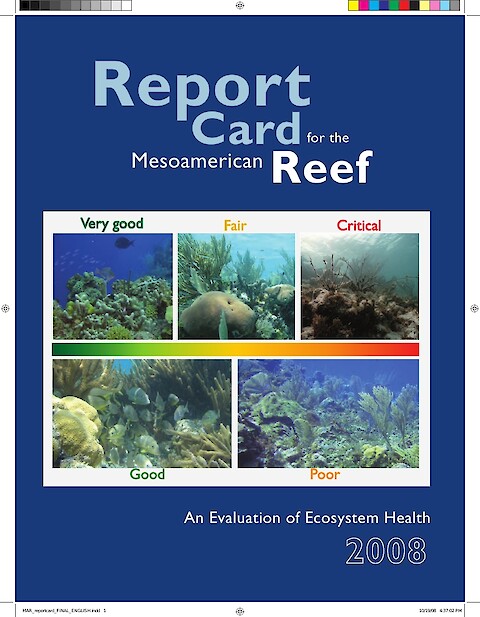
Report card for the Mesoamerican reef

This report describes the health of the Mesoamerican Reef by identifying key indicators and calculating an Integrated Reef Health Index. Additionally, it evaluates the human footprint and social well-being of the local community. Finally, it provides recommendations for government, NGOs, private, and research sectors for future work.

Comprehensive Strategy for Reducing Maryland

Comprehensive Strategy for Reducing Maryland's Vulnerability to Climate Change, Phase 1: Sea-level rise and coastal storms

Jane Thomas ·

This is Chapter 5 of the Climate Action Plan, Governor Martin O'Malley's appointed Maryland Commission on Climate Change report. It makes recommendations to state lawmakers and policy makers to mitigate the effects of sea-level rise and storm by taking action and committing resources to protect Maryland's future economic well-being, environmental heritage, and public safety.

Fine scale patterns of water quality in three regions of Marylands Coastal Bays: assessing nitrogen source in relation to land use (Page 1)

Fine scale patterns of water quality in three regions of Marylands Coastal Bays: assessing nitrogen source in relation to land use

Beckert K, Fertig BM, O'Neil JM, Carruthers TJB, Wazniak C, Sturgis B, Hall M, Jones AB and Dennison WC ·

Intensive sampling of the Maryland Coastal Bays in May and July of 2007 served to further assess spatial patterns in nutrients, responses of biological indicators, seasons, land use, and nutrient cycling. Trends indicated degraded water quality, high tubidity, increasing total nitrogen and phosphorus concentrations, high natural isotope abundance (δ15N), and low dissolved oxygen. The abundance of crop agriculture and development of the St.