Living in the Chesapeake Bay Watershed, water is a constant topic of conversation. The health of our waterways is important to the health and happiness of communities, whether you live on the Eastern Shore or in the Appalachians. Clean water impacts everyone. People, plants, and animals all rely on having clean and reliable sources of water. Aquatic food webs—underwater plants, insect larvae, and fishes of all sizes—cannot function if the water is polluted.
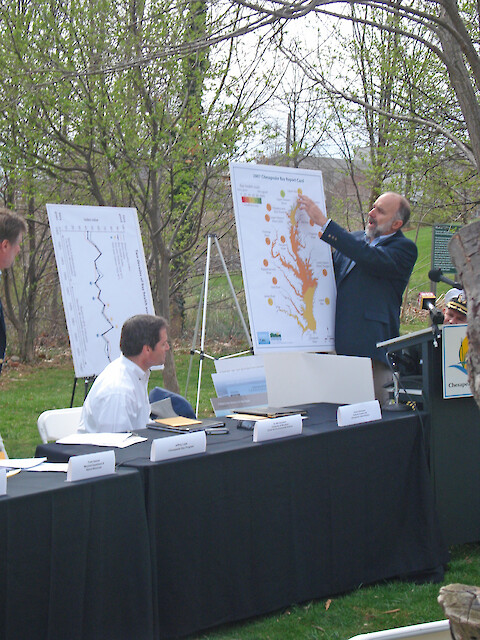
The Chesapeake Bay and its watershed are more than beautiful landscapes. They are the backbone of local economies, habitat for rare and fascinating species, and the home of complex systems between humans, wildlife, and policy. Intensifying climate change and urban development increase stressors negatively impacting this rich ecosystem and the people who rely on it. In 1998, the Chesapeake Bay Foundation (CBF) produced its first annual “State of the Bay” report card.
IAN staff, interns, and members of the Environmental Justice Journalism Initiative took in the beautiful sights of the Patawomeck Cultural Center and engaged with members of the agricultural community.
This past November, IAN, in collaboration with its partners from WWF, Audubon Southwest, and The University of Massachusetts Amherst published a socio-environmental health report card for the Upper Rio Grande. The report card covers a section of the Rio Grande that stretches from the river’s headwaters in the Colorado Rockies to Fort Quitman, TX. Project members cast a wide net to retrieve relevant data that would allow us to analyze the region's environmental, social, and economic conditions.
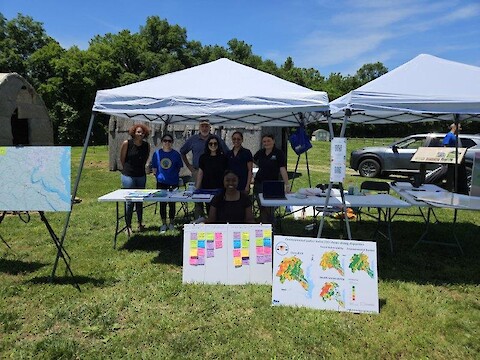
In early October, UMCES IAN hosted two Patuxent Stakeholder Listening Sessions as part of Phase 1 of developing a Patuxent River and Watershed Socio-environmental Report Card.
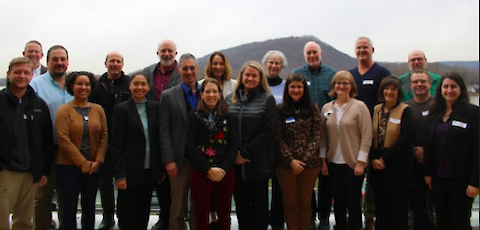
An account of the January 2020 Chesapeake Watershed Report Card workshop, a convening to discuss development of a comprehensive new report card. Includes a song by Bill Dennison!
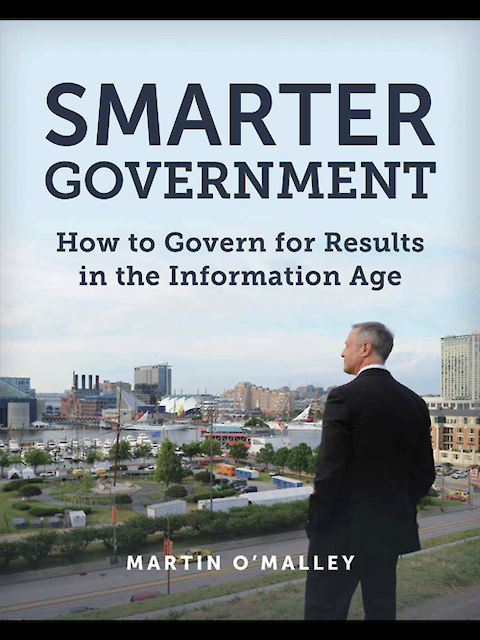
In late 2019, former Maryland Governor Martin O’Malley published a book through Esri Press entitled, “Smarter Government: How to Govern for Results in the Information Age”. I had been anticipating the book’s release ever since Gov.