IAN is committed to producing practical, user-centered communications that foster a better understanding of science and enable readers to pursue new opportunities in research, education, and environmental problem-solving. Our publications synthesize scientific findings using effective science communication techniques.
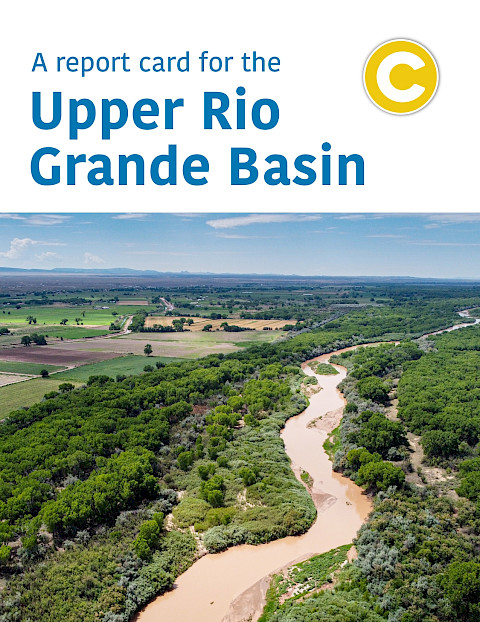
Watershed report cards are powerful tools to describe ecosystem status, increase public awareness, and inform and influence decision makers to improve the health of a watershed. This is the first Upper Rio Grande Report Card. It is the collective effort of dozens of stakeholders throughout the Upper Rio Grande watershed. Indicators in the report card were selected to assess the health of four different values in the watershed:
Dave Brinker, Bill Dennison, Steve Farr, Steve Doctor, Roman Jesien, Katherine Munson, Judy O’Neil, Kevin Smith, Mitch Tarnowski, Catherine Wazniak, Jeff White, Craig Wheedon, and Rich Mason ·
Coastal Bays health is defined as the progress of four water quality indicators (nitrogen, phosphorus, chlorophyll a, dissolved oxygen) and two biotic indicators (seagrass, hard clam) toward scientifically derived ecological thresholds or goals. The Coastal Bays had an overall score of C+, a slight improvement from the previous year. Improved total phosphorus scores contributed to the slightly higher overall health of the bays.
Dave Brinker, Bill Dennison, Steve Farr, Steve Doctor, Roman Jesien, Katherine Munson, Judy O’Neil,
Kevin Smith, Mitch Tarnowski, Catherine Wazniak, Jeff White, Craig Wheedon, and Rich Mason ·
Reporting on the State of the Maryland Coastal Bays is an opportunity to step back and reflect on the status and trends of key environmental features in this iconic region. The theme of this State of the Coastal Bays is building ecological resilience in the region. This focus on resilience is due to the convergence of several factors:
Dave Brinker, Bill Dennison, Steve Farr, Steve Doctor, Roman Jesien, Katherine Munson, Judy O’Neil, Kevin Smith, Mitch Tarnowski, Catherine Wazniak, Jeff White, Craig Wheedon, and Rich Mason ·
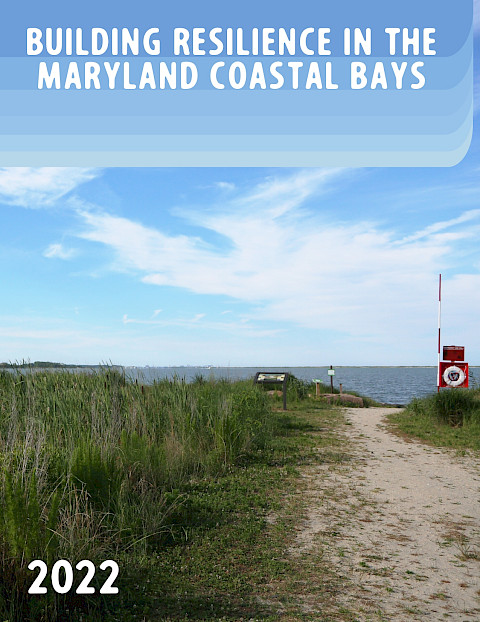
Every five years, The Maryland Coastal Bays Program publishes its State of the Bays Report, accompanied by the annual Maryland Coastal Bays Report Card. The theme of the 2022 State of the Coastal Bays is building ecological resilience in the region. This focus on resilience is due to the convergence of several factors:
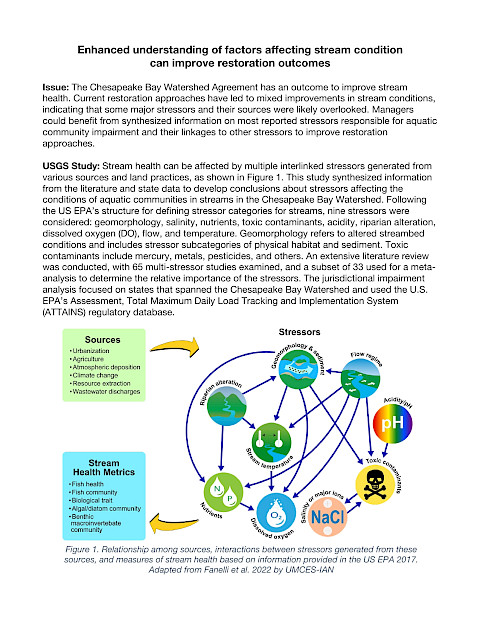
This publication serves as a summary of Fanelli et al. (2022) and was prepared in collaboration between the USGS and the University of Maryland Center for Environmental Science, Integration and Application Network. The summary touches on key findings of the study along with management, monitoring, and reseach applications. Please feel free to download the summary here or check it out on the USGS website:
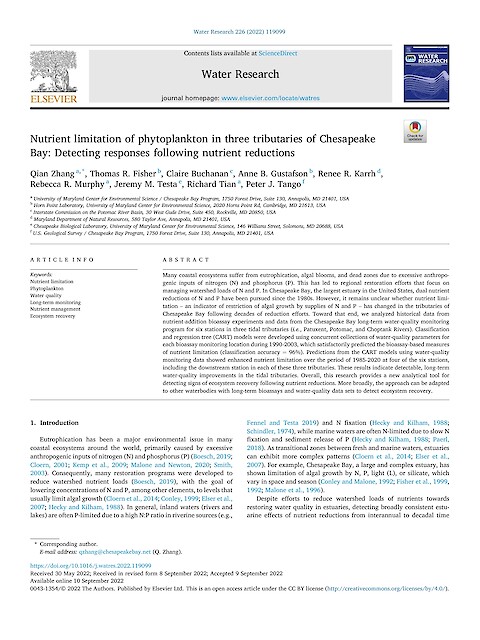
Many coastal ecosystems suffer from eutrophication, algal blooms, and dead zones due to excessive anthropogenic inputs of nitrogen (N) and phosphorus (P). This has led to regional restoration efforts that focus on managing watershed loads of N and P. In Chesapeake Bay, the largest estuary in the United States, dual nutrient reductions of N and P have been pursued since the 1980s.
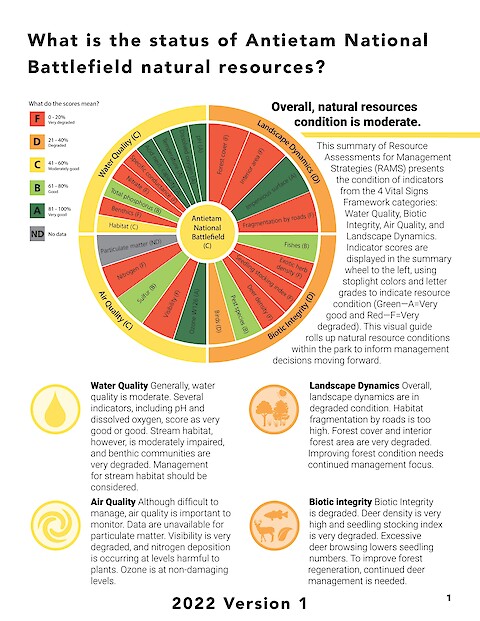
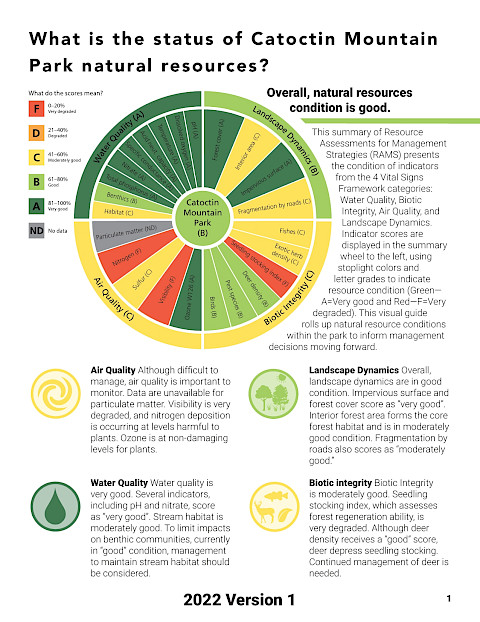
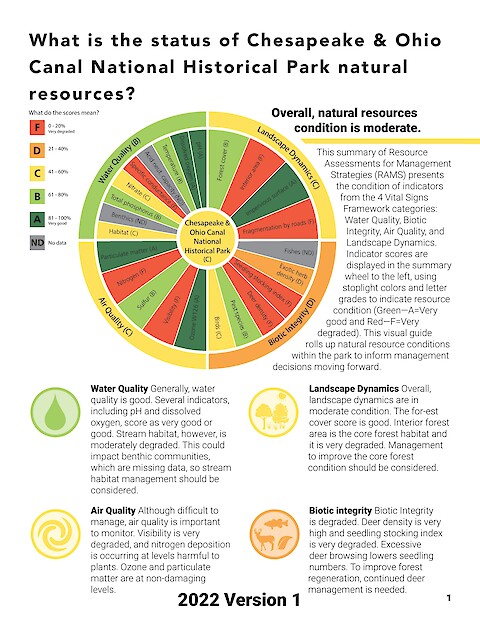
These National Park Service Resource Briefs are the next iteration of Natural Resource Condition Assessments. They analyze and present the condition of important natural resources in 11 National Capital Region National Parks to guide local and regional management of these resources.
These National Park Service Resource Briefs are the next iteration of Natural Resource Condition Assessments. They analyze and present the condition of important natural resources in 11 National Capital Region National Parks to guide local and regional management of these resources.
These National Park Service Resource Briefs are the next iteration of Natural Resource Condition Assessments. They analyze and present the condition of important natural resources in 11 National Capital Region National Parks to guide local and regional management of these resources.