IAN is committed to producing practical, user-centered communications that foster a better understanding of science and enable readers to pursue new opportunities in research, education, and environmental problem-solving. Our publications synthesize scientific findings using effective science communication techniques.
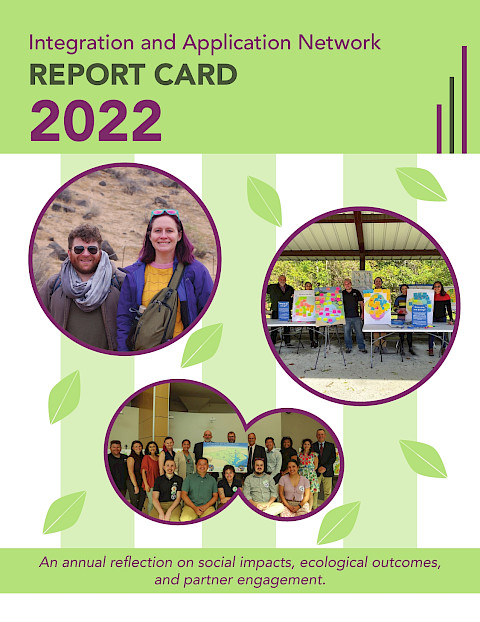
In the annual IAN Report Card, IAN staff reflect on accomplishments from 2022. The self-assessment is based on indicators in three categories: social impacts, ecological outcomes, and partner engagement. Overall, IAN received an overall grade of B (83%), a good score.
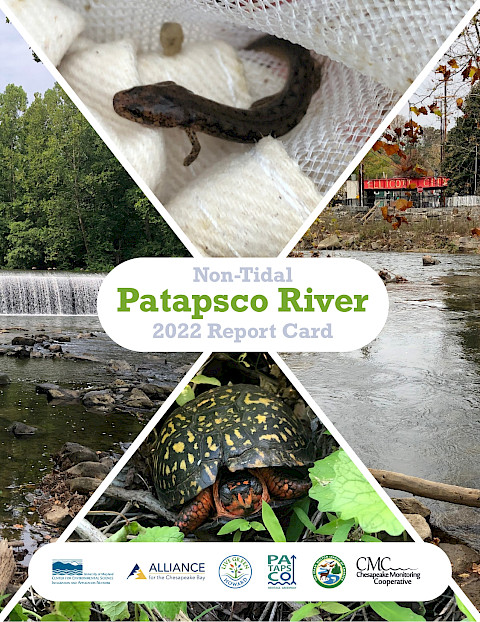
This report card, produced with Patapsco Heritage Greenway as part of the Chesapeake Monitoring Cooperative, assesses the condition of the Patapsco River using volunteer monitoring data.
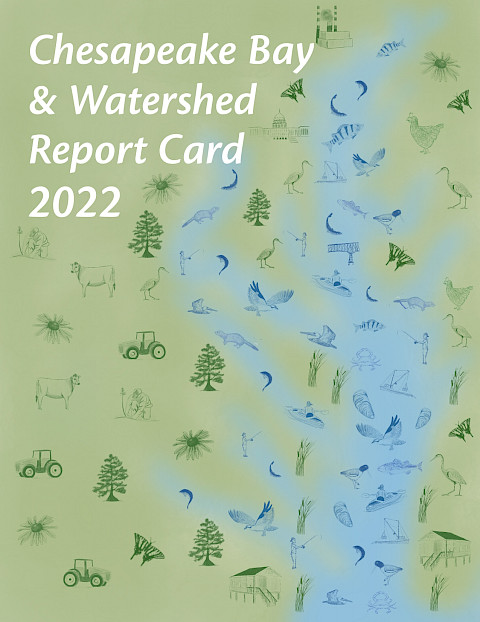
This report card provides a transparent, timely, and geographically detailed assessment of Chesapeake Bay and its Watershed. Since 2016, UMCES has engaged stakeholders throughout the watershed to transform the report card into an evaluation of the Chesapeake Watershed health. Watershed health includes traditional ecological indicators, but also economic and societal indicators. This is the fourth year the watershed has been scored, and one new ecological indicator has been added.
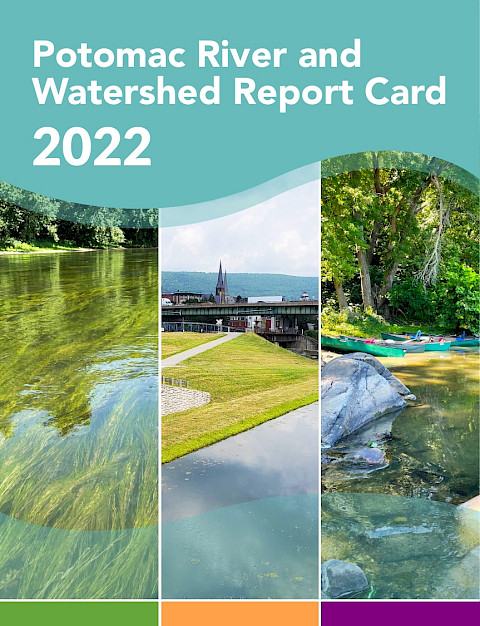
The first-ever Potomac River and Watershed Report Card was released in tandem with the 2022 Chesapeake Bay and Watershed Report Card this year. Every year, the Chesapeake Bay and Watershed are graded on a variety of ecological, social, and economic indicators. For 2022, the COAST Card Project took a closer look at the Potomac Watershed, a sub-watershed of the Chesapeake, to help inform decision-making in more focused areas throughout the watershed.
Rogue River Watershed Council, The Carpenter Foundation ·
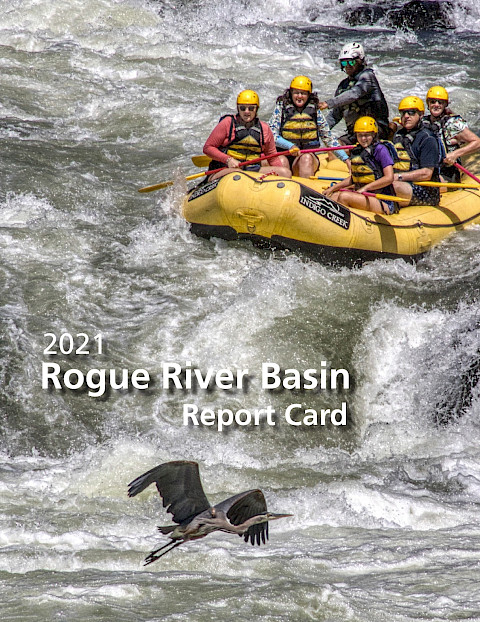
The first-ever Rogue River Basin Report Card … More than 7,000 years ago, the volcanic explosion of Mount Mazama in what is now southwestern Oregon led to the formation of Crater Lake. In present day, Boundary Springs bubbles out from the caldera of Crater Lake National Park, and it is here we can find the origin of one of Oregon’s major rivers, the Rogue River.
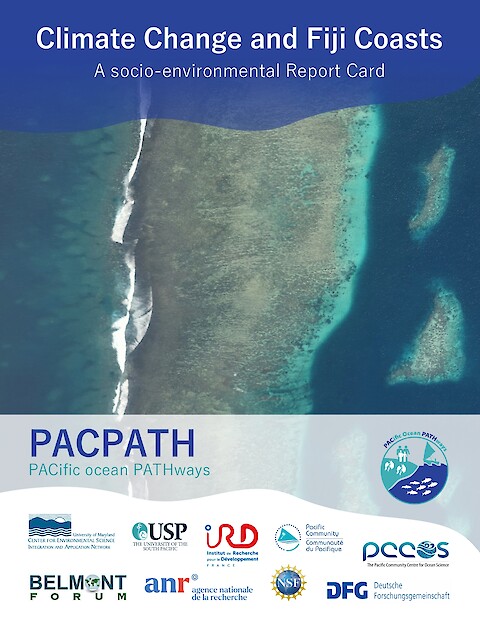
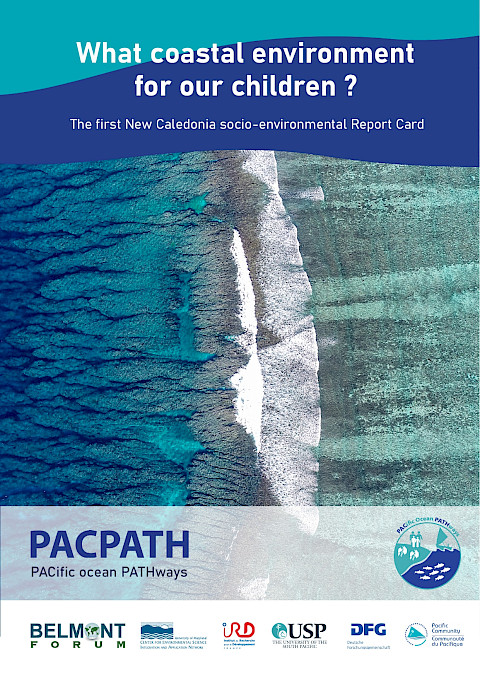
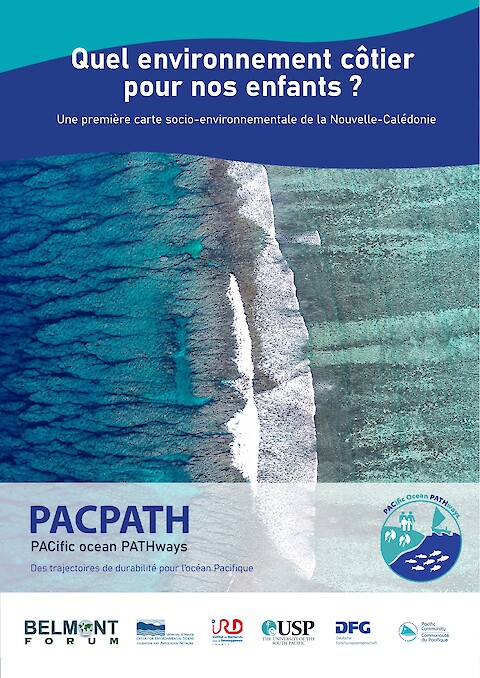
The first-ever New Caledonia socio-environmental Report Card was developed at the first PACPATH workshop held in Nouméa, New Caledonia in October 2022. This workshop brought together stakeholders from across the islands of New Caledonia to discuss sustainable coastal management and oncoming challenges. The PACPATH project aims to develop a shared understanding of sustainability needs and priorities around the United Nations' Sustainable Development Goals (SDGs).
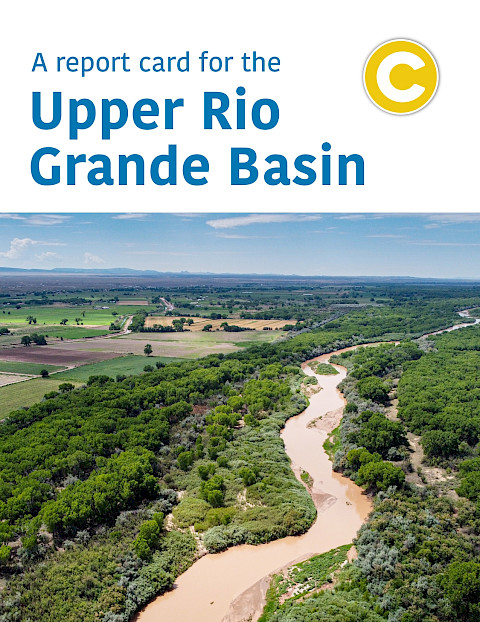
Watershed report cards are powerful tools to describe ecosystem status, increase public awareness, and inform and influence decision makers to improve the health of a watershed. This is the first Upper Rio Grande Report Card. It is the collective effort of dozens of stakeholders throughout the Upper Rio Grande watershed. Indicators in the report card were selected to assess the health of four different values in the watershed:
Dave Brinker, Bill Dennison, Steve Farr, Steve Doctor, Roman Jesien, Katherine Munson, Judy O’Neil, Kevin Smith, Mitch Tarnowski, Catherine Wazniak, Jeff White, Craig Wheedon, and Rich Mason ·
Coastal Bays health is defined as the progress of four water quality indicators (nitrogen, phosphorus, chlorophyll a, dissolved oxygen) and two biotic indicators (seagrass, hard clam) toward scientifically derived ecological thresholds or goals. The Coastal Bays had an overall score of C+, a slight improvement from the previous year. Improved total phosphorus scores contributed to the slightly higher overall health of the bays.
These National Park Service Resource Briefs are the next iteration of Natural Resource Condition Assessments. They analyze and present the condition of important natural resources in 11 National Capital Region National Parks to guide local and regional management of these resources.