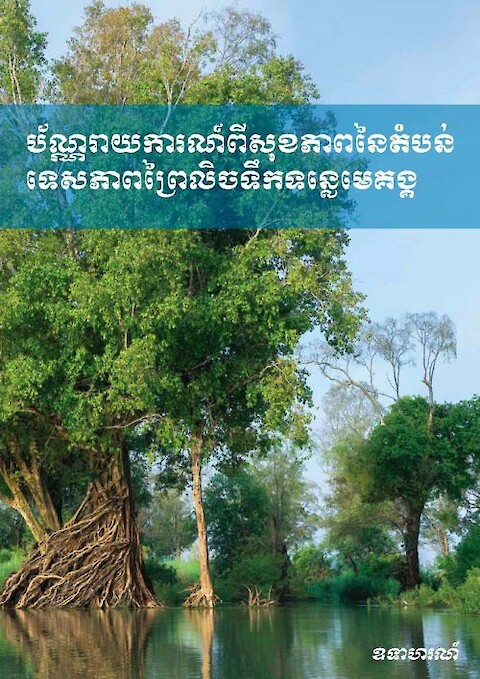
Future Card: a report card that forecasts future ecosystem health grades based on alternate management strategies. The holy grail right? Well hopefully. This idea of a “future card” began 18 months ago while I was attending a meeting held by the Luc Hoffman Institute in Phnom Penh, Cambodia, for the LIVES’s project (Linked Indicators for Vital Ecosystem Services).
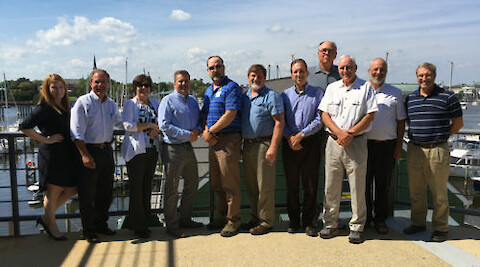
On Wednesday, August 24th a group of technical experts, stakeholders and communicators met at the Chesapeake Bay Program in an attempt to make some sense of the current knowledge about the influence of the Susquehanna River reservoir system on Chesapeake Bay water quality. The group that gathered in Eastport on this temperate August day was a diverse one, although almost everyone in the room had been involved with Susquehanna River management and/or research for a number of years.
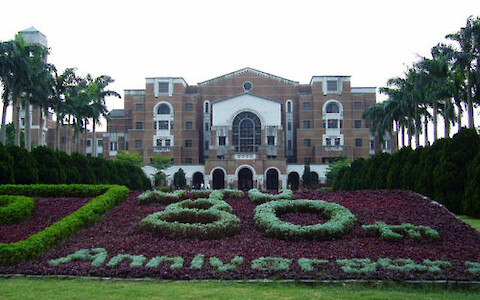
I had the great opportunity to represent IAN and UMCES as the institutional representative to the Future Earth's Coasts Scientific Steering Committee meeting in Taipei, Taiwan last week. Hosted by JC Lin at the National Taiwan University, the meeting brought together 15 representatives from all over the world to discuss the scientific direction of the group for the next five years.
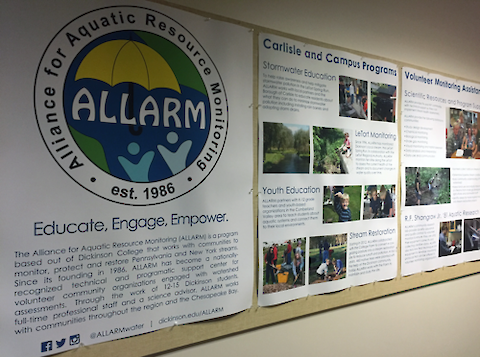
On June 28th and 29th, members of the Chesapeake Monitoring Cooperative met at Dickinson College in Carlisle, Pennsylvania to move forward several aspects of the project. The Chesapeake Monitoring Cooperative is comprised of four groups with the goal of bringing together non-traditional and volunteer monitoring data throughout the Chesapeake Bay watershed and integrating the data with state agencies and the Chesapeake Bay Program.
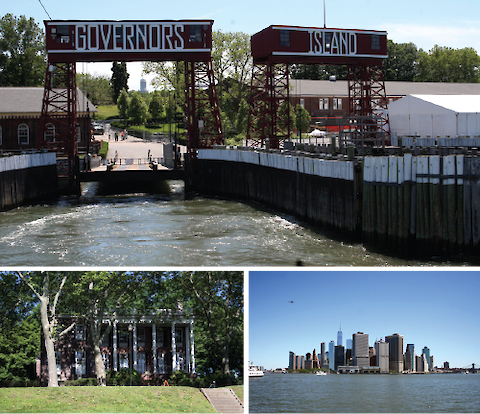
On Friday, June 10th, Judy O’Neil and I participated in the second annual Billion Oyster Projects Curriculum and Community Enterprise for Restoration Science (BOP CCERS) - Science, Technology, Engineering and Math education (STAM) Research Symposium on Governors Island.
The week of June 6th brought strong winds to the east coast along with the 2nd annual workshop meeting of Billion Oyster Projects Curriculum and Community Enterprise for Restoration Science (BOP CCERS) project members. This was a weeklong series of events and meetings in NYC that gave project leaders both a chance to reflect on the year's achievements and to tweak project goals for the third, and final year of the National Science Foundation (NSF) funded project.
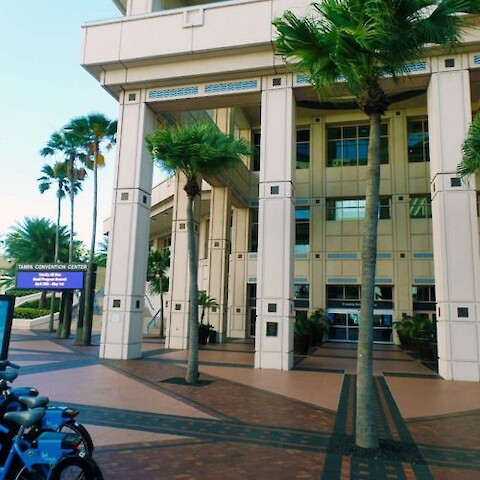
I attended the biennial National Water Quality Monitoring Conference in Tampa, Florida from Monday, May 2nd through Friday, May 6th. This was my first time attending the conference and by the end, I realized it was a conference I want to attend many times again. The 2016 conference was held at the Tampa Convention Center, a large complex on the waterfront, with nearby hotels and restaurants for attendees.
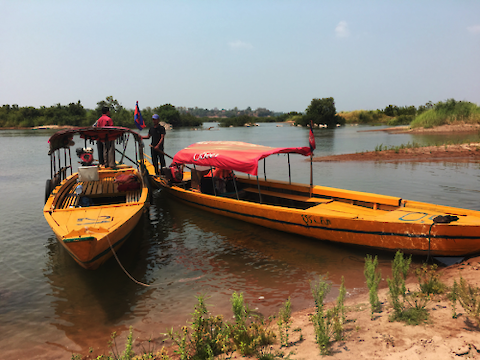
This blog is part of the Basin Report Card Initiative: a partnership between the World Wildlife Fund (WWF) and the University of Maryland Center for Environmental Science (UMCES) In March, Simon Costanzo and I traveled to Cambodia for the third workshop in the Linked Indicators for Vital Ecosystem Services (LIVES) Project, an initiative of the Luc Hoffman Institute. This five-day workshop brought us to the province of Kratie, a five-hour drive north of the capital, Phnom Penh.
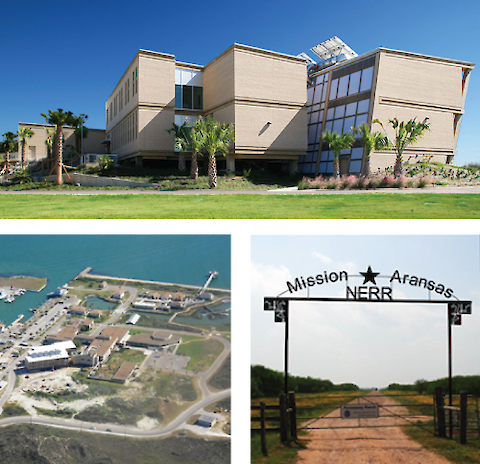
The Mission-Aransas National Estuarine Research Reserve Headquarters is located inside the The University of Texas at Austin Marine Science Institute Campus in Port Aransas, Texas. Credit: richterarchitect.com (top) and K. Dunton/missionaransas.org (bottom) On April 27-28 I participated in another workshop related (indirectly) to the Texas Coast Report Card Pilot Project at Harte Research Institute in Corpus Christi Texas.
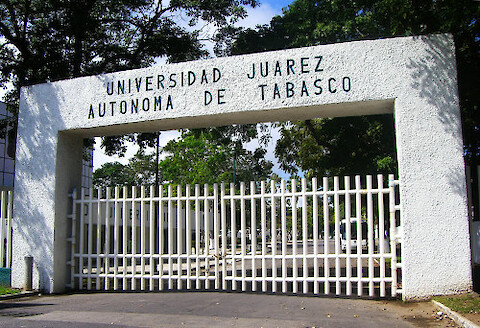
After the first EcoHealth metrics workshop for the Texas Coast pilot project, Bill Dennison and I shared a shuttle to the airport with Porfirio Alvarez, from the University of Tabasco.