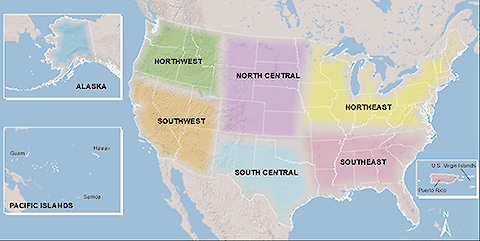
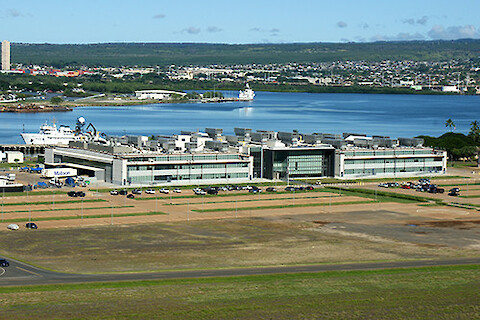
The eight climate science centers (CSCs) are located in eight regions across the United States. CSCs conduct research to determine the impacts of climate change on key natural and cultural resources in their region, and then provide scientific information and tools to resource managers as they plan for conserving resources in a changing world. Source: USGS.

Discussing ecological drought and climate change in Fairbanks, Alaska

Brianne Walsh · Science Communication | 

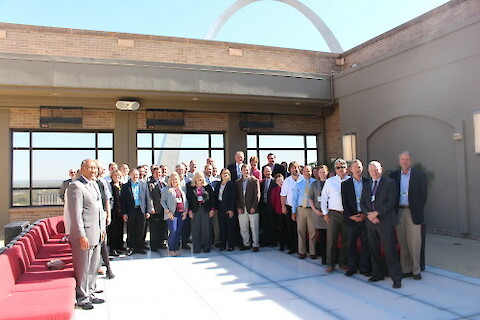
In September, Simon Costanzo, Bill Dennison, and I had the opportunity to travel to Fairbanks, Alaska for a workshop focusing on the topic of ecological drought in the State of Alaska. The Department of the Interior Climate Science Centers (CSCs) and their managing organization, the National Climate Change and Wildlife Science Center at the U.S. Geological Survey, have chosen the emerging climate science field of ecological drought as a research focus area.

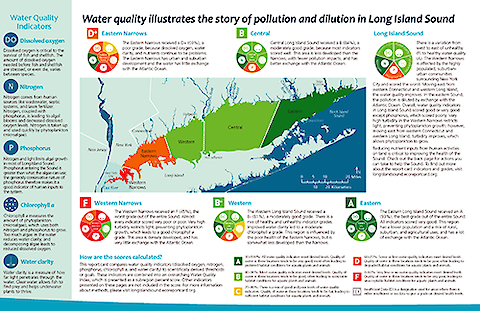
The final Long Island Sound Report Card. – inner spread of LIS report card

Lessons learned during the Long Island Sound report card process

Alexandra Fries · Environmental Report Cards | Science Communication | Applying Science | 

Caroline Donovan and I were invited to speak at the joint meeting of the Long Island Sound’s Citizens Advisory (CAC) and Science and Technical Advisory Committees (STAC). After completing the Long Island Sound Report Card in June, they asked us to give some wrap up and next steps information for where the report card is going in the future. Overall, the Long Island Sound report card included water quality, human health, and ecosystem/habitat indicators.

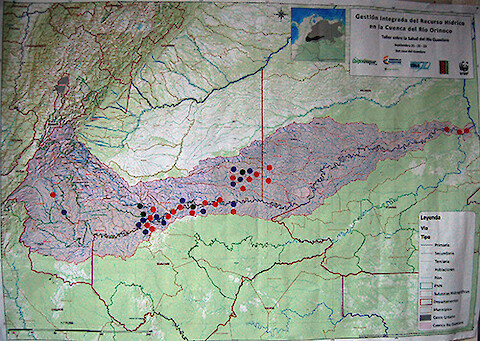
Many participants joined us for the workshop from a range of areas throughout the Guaviare River Basin.

Guaviare River Report Card Workshop

Alexandra Fries · Environmental Report Cards | 

This blog is part of the Basin Report Card Initiative: a partnership between the World Wildlife Fund (WWF) and the University of Maryland Center for Environmental Science (UMCES) On September 21st, 2015, Simon Costanzo and I traveled to San Jose de Guaviare, Colombia for the Guaviare River Report Card Workshop. This was the third workshop in Colombia to develop report cards for three tributaries of the Orinoco River.

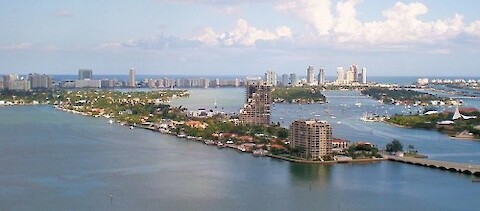
Miami is one of the cities most at risk from rising sea level. (photo credit: ”Venetian Causeway South Beach” by Marc Averette Licensed under CC BY-SA 3.0 via Commons)

Building coastal resilience through stories

Bill Nuttle · Science Communication | Applying Science | 

Coastal scientists have an important role helping communities become more resilient by telling people what changes can be expected from climate change and sea level rise. But, how can you tell people about change that is coming, in a way that makes it tangible for people and motivates them to act, when the extent of that change goes beyond what many can even imagine.

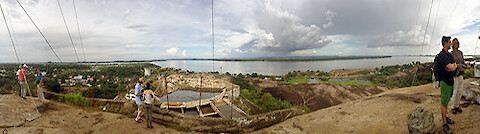
Three rivers meet in Puerto Carreño, from left to right, the Meta, Orinoco, and Bita Rivers.

Bita River Report Card Workshop - The Orinoco River Basin, Colombia

Alexandra Fries · Environmental Report Cards | Science Communication | Applying Science | 

This blog is part of the Basin Report Card Initiative: a partnership between the World Wildlife Fund (WWF) and the University of Maryland Center for Environmental Science (UMCES) On August 9th, 2015, Simon Costanzo and I traveled from Bogota, Colombia to Puerto Carreño, Vichada, Colombia for the Bita River Report Card Workshop. This was the second of three workshops that will occur in Colombia, to develop report cards for three tributaries of the Orinoco River.

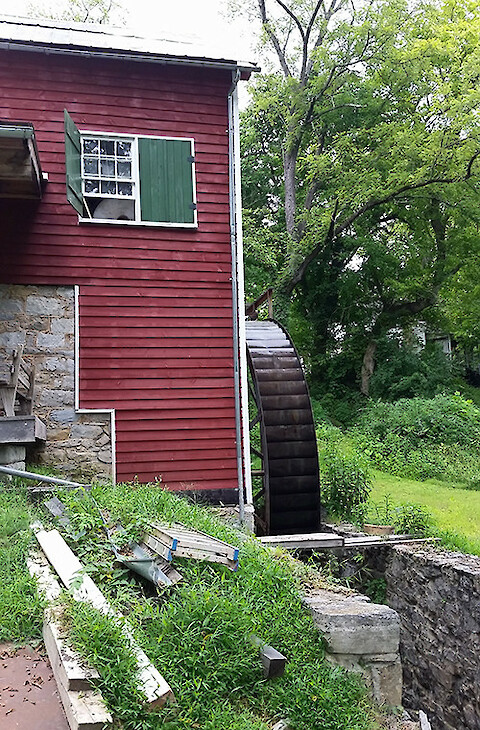
The mill. Photo by Caroline Donovan.

Mid-Atlantic Volunteer Monitoring Conference

Alexandra Fries · Science Communication | Applying Science | 

Caroline Donovan and I participated in the Mid-Atlantic Volunteer Monitoring Conference in Winchester, Virginia last month. This conference focused on volunteer monitoring efforts in Virginia, Maryland, Pennsylvania, Delaware and West Virginia. The theme was bridging the water quality data gap, and the way to do this proposed as expansion and improvement of volunteer monitoring efforts.

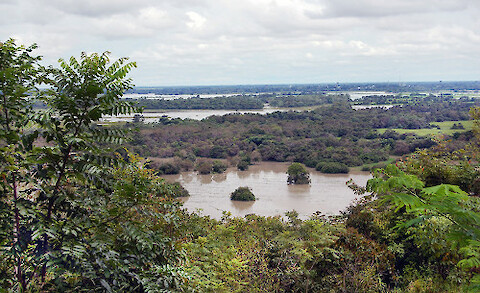
The lakes surrounding Puerto Lopez, Colombia.

The Meta River Report Card Workshop - The Orinoco River Basin, Colombia

Alexandra Fries · Environmental Report Cards | Science Communication | 

This blog is part of the Basin Report Card Initiative: a partnership between the World Wildlife Fund (WWF) and the University of Maryland Center for Environmental Science (UMCES) On June 29th, 2015, Simon Costanzo and I traveled from Bogota, Colombia to Puerto Lopez, Colombia for the Meta River Report Card Workshop. The workshop spanned from June 30th-July 2nd, and was the first of three workshops that will occur in Colombia, to develop report cards for three tributaries of the Orinoco River.

Laguna de Bay Map and Quick Facts

Laguna de Bay, Philippines: Environmental Literacy

Vanessa Vargas-Nguyen · Environmental Literacy |     5 comments

‘Environmental literacy‘ series … As part of the Integration and Application Network’s collaboration with the Partnerships in Environmental Management for the Seas of East Asia Resource Facility (PRF) and the Laguna Lake Development Authority (LLDA) in the development of an Ecosystem Health Report Card for Laguna de Bay, the seven environmental literacy for Laguna de Bay are listed:

Participants of the first workshop, December 12-13 2013, Taal Vista Hotel, Tagaytay City

Development of an Ecosystem Health Report Card for Laguna de Bay, Philippines

Vanessa Vargas-Nguyen · Environmental Report Cards | Science Communication | Applying Science | 

This summer, I was given the great opportunity to be involved in the development of the first IAN report card in my home country. Last June 1-3 2015, Dave Nemazie and Simon Costanzo joined me in the Philippines to help facilitate the Second Workshop on the Development of Ecosystem Health Report Card for Laguna de Bay.