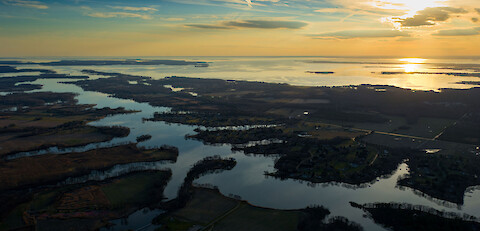
Session 17 of the Chesapeake Research Consortium Symposium explored innovative approaches and discussions on sustainability and community resilience in the Chesapeake Bay Watershed, highlighting diverse strategies and inclusive processes shaping a resilient future.
The Verde River flows through north-central Arizona and is a … primary water source for Phoenix. As it works its way down from its headwaters … in the Big and Little Chino Basins, the Verde provides excellent habitat for a … wide array of plants and animals. Water from the river also supports … small-scale agriculture, well-watered lawns, and accessible groundwater for … communities.
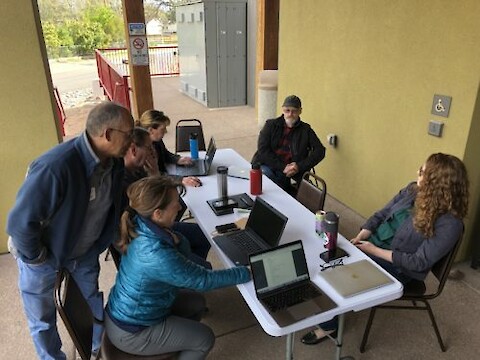
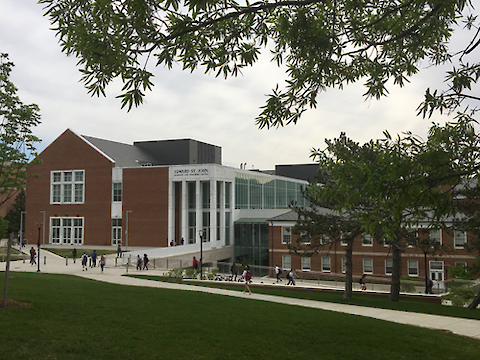
This is the second blog in a short series of posts reflecting on professional development workshops that I recently attended at the University of Maryland Teaching & Learning Transformation Center (TLTC). This second workshop was called “Planning & Facilitating Small (and Large!) Group Discussions”. The workshop was held in the Edward St.
Over the last few weeks, I attended several workshops at the University of Maryland Teaching & Learning Transformation Center (TLTC). The TLTC provides training, consultation, and various other resources to students and faculty who wish to improve their teaching. The first workshop I attended was called “Equitable and Successful Group Work”. This workshop was held in the Edward St.
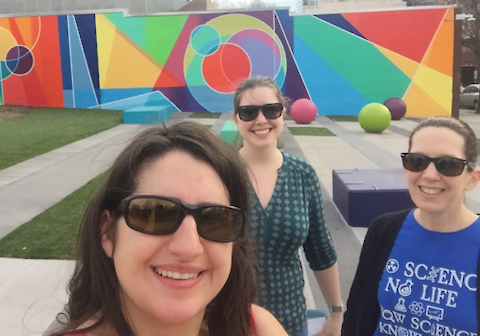
This past March I had the pleasure of attending both the Citizen Science Association’s biennial conference (CitSci2019) and the 2019 National Monitoring Conference. Going to back-to-back monitoring conferences presents an opportunity to highlight the similarities and differences within one seemingly homogeneous topic. I attended the CSA 2019 conference with Alexandra Fries and Suzi Spitzer.
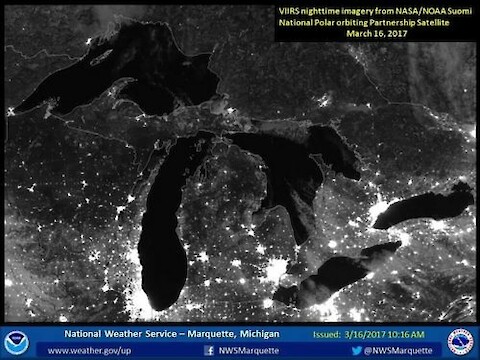
Lake Erie is one of five Great Lakes between the United States and Canada. The Great Lakes form the largest freshwater system on the planet, containing approximately 1/5 of the world's freshwater supply. Lake Erie is the southern most Great Lake located downstream of Lakes Superior, Michigan and Huron, but upstream of Lake Ontario and the St. Lawrence Seaway. The great lakes at night from above. Photo National Weather Services.
The first in person meeting of the new Future Earth Coasts International Project Office (FEC IPO) was in Bremen 27-29 March 2019. It’s an exciting time to be involved in Future Earth Coasts; the organization has a new home centered at the Liebnitz Center for Tropical Marine Research (ZMT) in Bremen, and additional offices distributed among several institutions in China, Australia, the United States, and Germany.
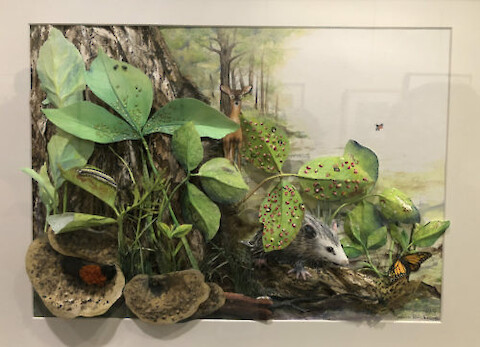
Scientific illustration is a beautiful form of science communication. The goal of scientific illustration is to accurately depict and teach scientific concepts. Illustrations can be created traditionally or digitally and are generally highly rendered – not to mention stunning – works of scientific art. These images are as informative as they are captivating. Insects and Opossum in Poison Ivy, by Robin Brickman.
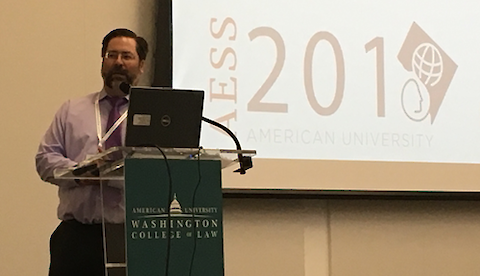
Last month I attended the Association for Environmental Studies and Sciences conference at American University in Washington, D.C. from June 20-23. This organization serves scholars who research and teach sustainability and other environmental issues through interdisciplinary lenses, and seeks to advance the "scholarship of science in service to society and the environment." The selected theme of "Inclusion and Legitimacy" was centralized in the conference discourse and culture.
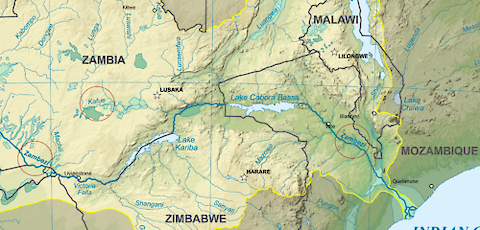
In February 2018, Simon Costanzo, Michele Thieme and I travelled to Lusaka, Zambia to kick off a project to develop an ecosystem health report card for the Lower Kafue River Basin. We provided training for the WWF Zambia team on the report card creation process. I then traveled with the WWF team to Monze in the Southern Province to help the team facilitate first stakeholder workshop.