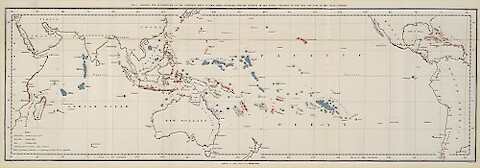
Even before Charles Darwin wrote about coral reef atolls in his 1842 “The Structure and Distribution of Coral Reefs,” humans have been fascinated by coral reefs. Corals and coral reefs are connected to the spiritual rituals of indigenous populations. They also provide food, shelter, and support livelihoods (through fishing and ecotourism) of many people around the world. Charles Darwin’s 1842 map of coral reef distribution. Current coral reef distribution. Credit:
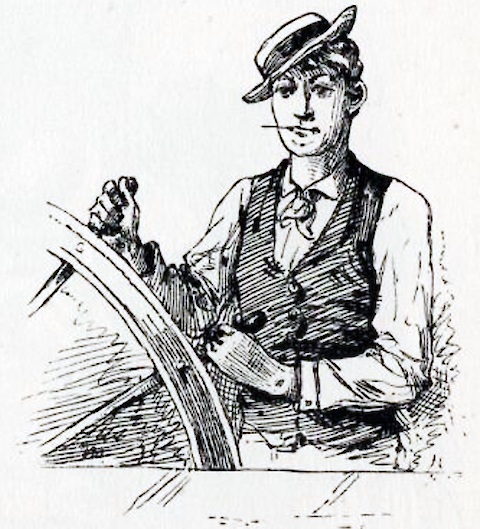
Re-engineering the Mississippi River presents political as well as technical challenges. Advances in technology since the beginning of the industrial revolution have transformed both transportation along the Mississippi River and the river itself. The invention of the paddlewheel steamboat in the early 1800s offered a radical advance over previous, more primitive modes of river transportation. By the 1830s, steamboats regularly moved people and goods along the Mississippi and its tributaries.
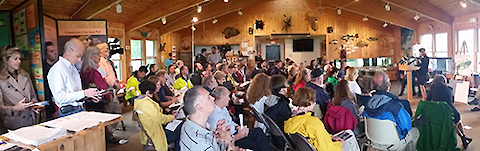
On June 8, 2015 the Integration & Application Network and its many partners held two simultaneous press conferences to announce the first report card about the health of Long Island Sound. Bill Dennison and Alex Fries traveled to Glen Cove, New York, on the south shore of the Sound, while Caroline Donovan and I headed north to the Sherwood Island State Park Nature Center in Westport, Connecticut.
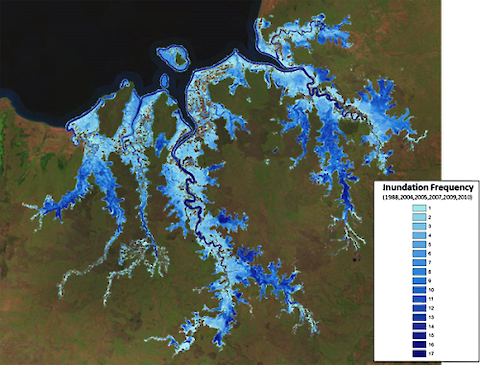
I met Jane Hawkey in Brisbane May 18-19 to facilitate a synthesis workshop on floodplains research in Northern Australia under the National Environment Research Program Northern Hub (NERP Northern). Our goal is to piece together the larger story being told by individual research components.
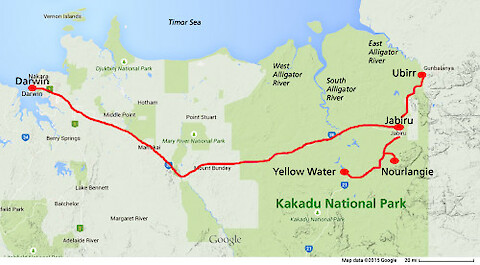
On May 22 and 23, Heath Kelsey and I had the opportunity to travel to Kakadu National Park in the Northern Territory, the “top end” of Australia. The park covers some 20,000km2, making it Australia's largest national park. Our site visit provided the context for the project we were visiting Charles Darwin University for - to help synthesize and communicate the key findings of the National Environment Research Programme (NERP) scientists studying the Kakadu floodplains.
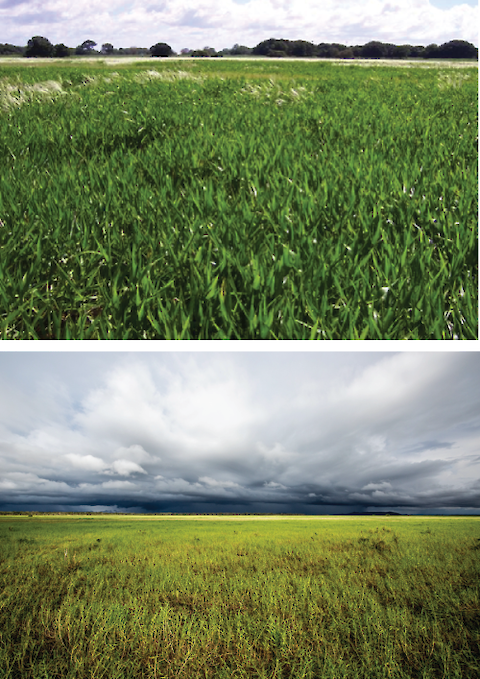
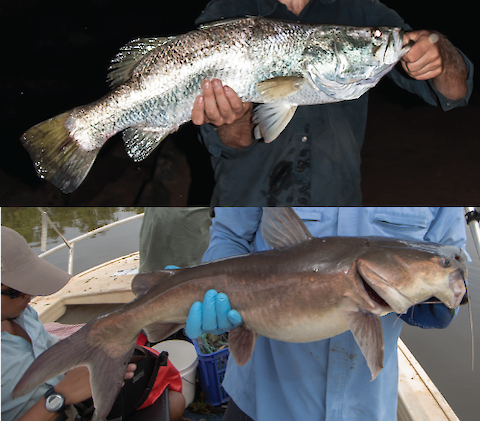
As part of our synthesis of research findings related to National Environment Research Programme (NERP) work on Kakadu National Park floodplains, I am interviewing scientists to begin distilling the key messages for the synthesis story. These researchers are contributing to the developing picture of the connections between the floodplains, water movement, and important natural and cultural resources.
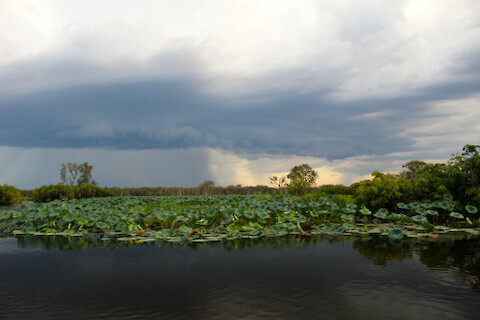
As part of our synthesis of research findings related to National Environment Research Programme (NERP) work on Kakadu National Park floodplains, I am interviewing scientists to begin distilling the key messages for the synthesis story. These researchers are contributing to the developing picture of the connections between the floodplains, water movement, and important natural and cultural resources. Yellow Waters Billabong, Kakadu National Park. Photo credit:
This is the first of a series of blogs intended to begin synthesizing the key messages from Kakadu National Park floodplains research conducted as part of the National Environment Research Programme (NERP). When you put the many pieces together, the story that emerges is all about connections.
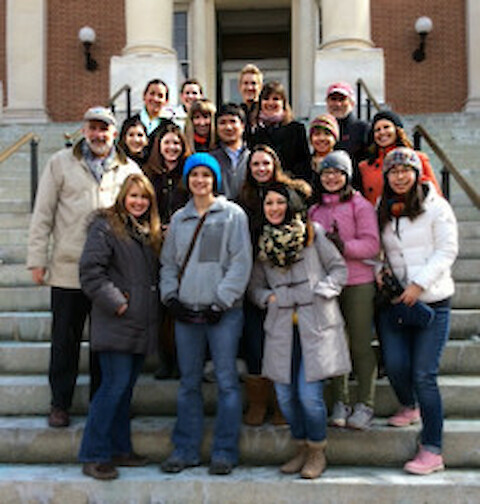
Fifteen students from four campuses met each week … After watching YouTube lectures and reading a lot … Our class time flew by, did it not … Facilitators led the discussion, insights they did seek. And the rapporteur provided the discussion summary … So that the author could draft up a synthesis blog … Clarifying the topic by avoiding intellectual fog … And posting as many blogs as the Internet could carry.
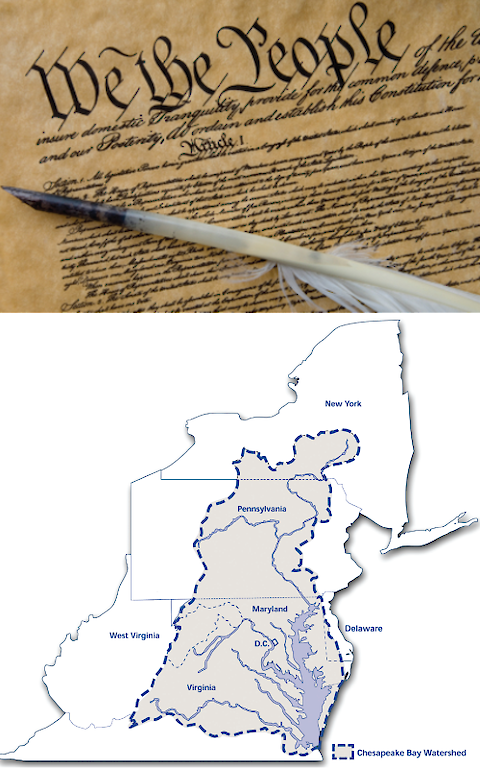
At a recent roundtable discussion of approaches for accelerating Chesapeake Bay restoration, one of the participants used the phrase "We the people..." which provoked me to think of the preamble to the United States Constitution, the beginning of an amazingly robust document that still resonates today. I hope that the 2014 Chesapeake Bay and Watershed Agreement will also have longevity and resonance, so I adapted the agreement into constitutional language as follows: