We were impressed with the industrious people in the region surrounding the Gulf of Kachchh. The Gulf of Kachchh is a major economic driver for India, importing and refining oil, and producing fertilizer, food and salt. The rich natural and cultural resources were considerable. The abundant bird life, wildlife, mangroves, corals and fisheries are examples of the rich natural resources. Corn, cotton and other crops are grown in the region, and the region is also known for its dairy products.
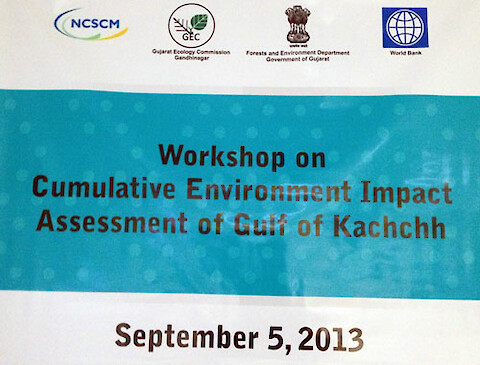
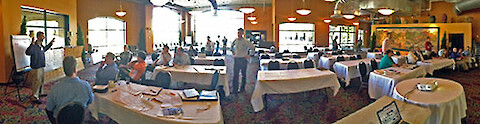
We conducted a second workshop in Gandhinagar, the capitol of Gugarat, India, which immediately followed our report card workshop in Jamnagar. This workshop was held at the Gujarat Ecological Education and Research (GEER) Foundation. Gandhinanger was about 5 hours drive from our report card workshop in Jamnagar. GEER is a bit like one of the UMCES laboratories with an environmental research and education mission.
The IAN crew (Bill Dennison, Heath Kelsey, Bill Nuttle, Caroline Wicks) traveled to Moline, Illinois to facilitate the first of a series of workshops that will occur throughout the massive Mississippi River watershed. This workshop was focused on the Upper Mississippi River watershed - extending from Minnesota and Wisconsin in the north,including large portions of Illinois, Iowa and Missouri, and extends to the junction of the Missouri River near St. Louis, MO.
The report card for the Mississippi River basin. The purpose of this report card is to provide people with information on status and trends of the entire Mississippi basin taken as a whole. The watershed of the Mississippi covers 40 percent of the continental United States. Exploration and development of the region during the 19th and the first half of the 20th centuries helped define the character of the United States.
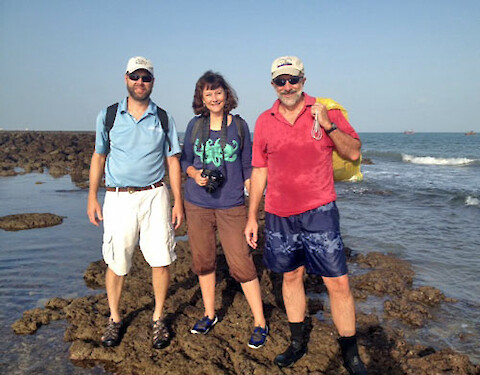
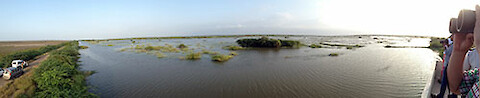
We had two field trips to the Gulf of Kachchh. One trip was to the Khijadiya Bird Sanctuary near Jamnagar. We visited in the late afternoon and were treated to a nice breeze and a beautiful sunset over the water. The sanctuary used a levee with spillways to impound freshwater to maintain high quality bird habitat during the dry season.
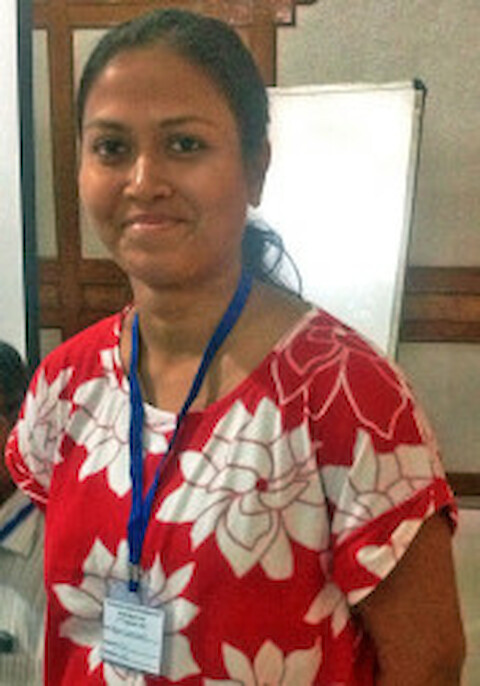
We stopped in Mumbai in route to Jamnajar workshop, which is the home of the Indian film industry, known as Bollywood. The Oscar winning film Slumdog Millionaire was filmed there and the grand finale song and dance number 'Jai Ho' was a highlight of the film. Jai Ho was written by A.R. Rahman who won an Oscar for this song. I adapted Jai Ho for the conclusion of the report card workshop. Ruma Chakraborty kindly agreed to sing a few stanzas of this report card version of Jai Ho!
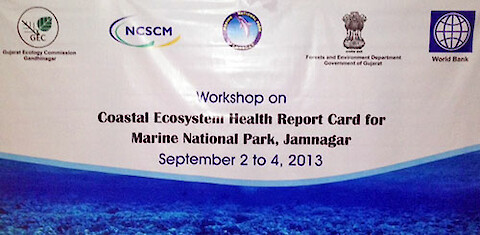
An IAN contingent traveled to Jamnagar, India to conduct a two day workshop to develop an environmental report card for the Gulf of Kachchh (rhymes with touch). Bill Dennison, Heath Kelsey and Jane Hawkey made the trip, and although Simon Costanzo was scheduled to come, his Indian visa didn't arrive in time.
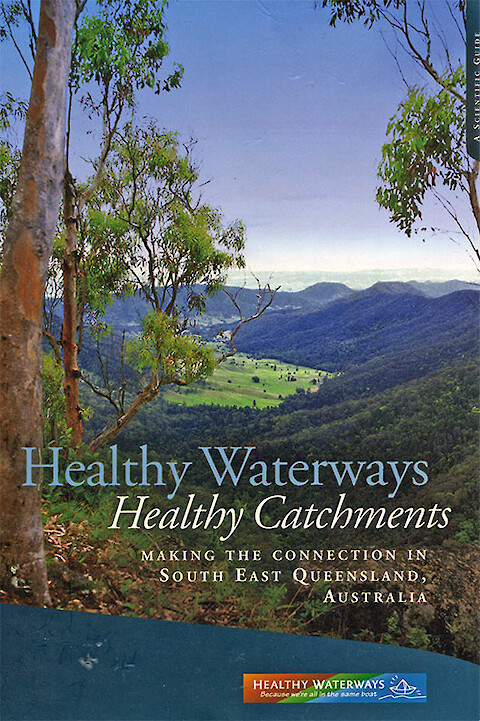
Healthy Waterways Healthy Catchments is now available for free in PDF format from IAN press. Healthy Waterways Healthy Catchments: Making the connection in South East Queensland, Australia … This 238 pp. book was the fourth in a series of four books produced as part of the Healthy Waterways campaign in Southeast Queensland. It was published in 2005 and summarized the scientific findings from a variety of different projects that were conducted as part of Phase 3 of the Healthy Waterways program.
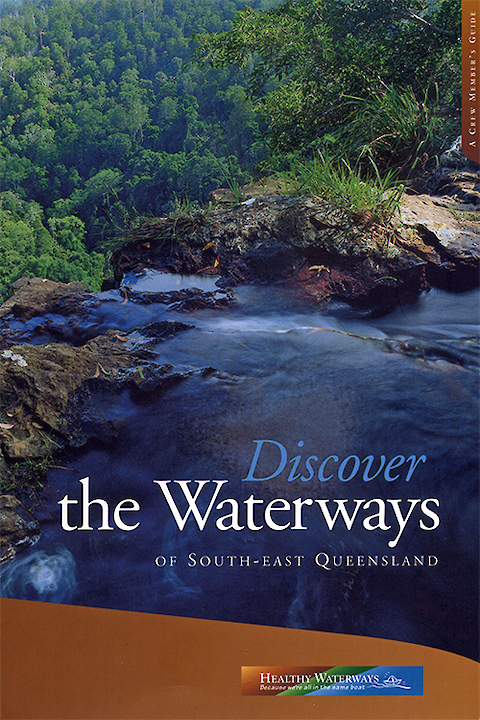
Discover the Waterways is now available for free in PDF format from IAN Press. Discover the Waterways of South-East Queensland … This book was the third of a series of four books produced as part of the Healthy Waterways campaign in Southeast Queensland. It was published in 2001 and was intended to provide citizens with enough context to view key ecosystem features from different vantage points around Southeast Queensland.
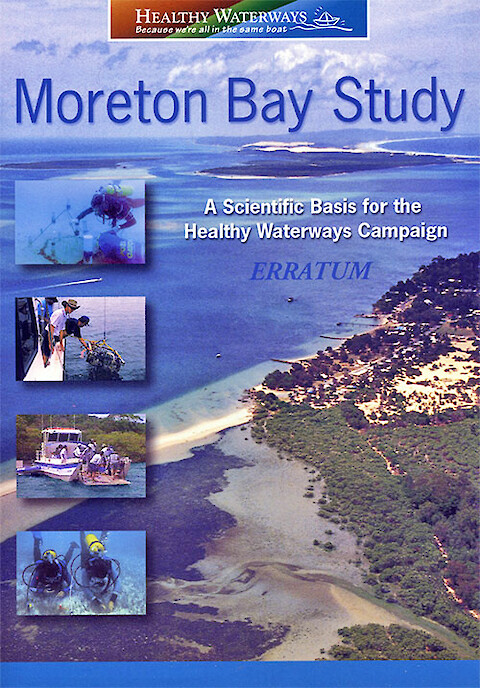
Moreton Bay Study is now available for free in PDF format from IAN Press. Moreton Bay Study: A Scientific Basis for the Healthy Waterways Campaign … This book was the second of a series of four books produced as part of the Healthy Waterways campaign in Southeast Queensland. It was published in 1999 and was the first summary of the scientific findings of Healthy Waterways.