The Chesapeake Bay Program has a long history of setting goals, and unfortunately an equally long history of NOT reaching these goals. The initial Chesapeake Bay Program goal, set in 1984, was for a 40% reduction in nutrient loads entering the Bay, specifically nitrogen and phosphorus. In spite of considerable investments in various nutrient reduction activities, this original goal has not been met, yet a variety of new goals have superseded these original goals.
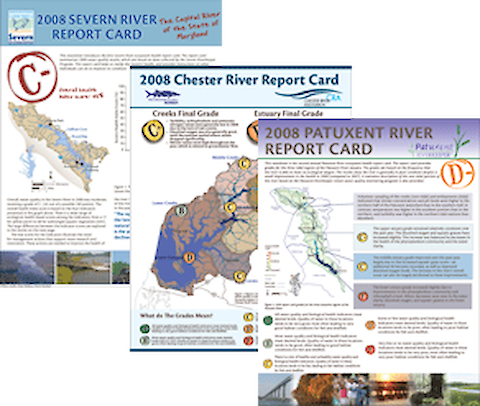
The grading system used in the EcoCheck environmental report cards is a simple, systematic ranking scale. The one hundred point scale is divided into five equal categories; A (80-100), B (80-60), C (60-40), D (40-20) and F (20-0). Furthermore, the grades have a plus and minus scale, so that the upper 5 points of the 20 point range results in a plus score and the lower 5 points of the 20 point range results in a minus score.
This blog post discusses the seminar given by Dr Bill Dennison, of the Integration and Application Network, at the IAN Seminar Series on January 28, 2010. Several lines of inquiry were discussed as a way of further analyzing the Chesapeake Bay trajectories.
Environmental monitoring is extremely expensive with recurring costs. In addition to supporting a field effort, the analytical costs of processing samples and the data entry, quality assurance and analyses incurs costs. Even if the labor intensive field sampling is reduced through remote sensors and automated sampling, the task of processing the data is not diminished.
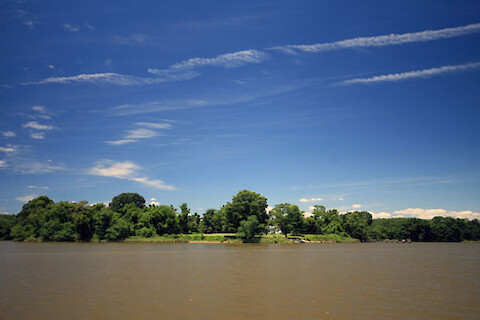
Last Wednesday, IAN went out with the Chester River Association on one of their weekly water quality monitoring trips on the Chester River. You know what they say - a bad day in the field is better than a good day in the office. And this was a great day in the field! Chester River … The Chester River Association measures a suite of water quality parameters (dissolved oxygen, salinity, temperature, etc.) at a range of sites both upstream and downstream from Chestertown.
After four years and thousands of collective hours worked, our new synthesis book is finally published! Shifting Sands: Environmental and cultural change in Maryland's Coastal Bays was officially released on Monday June 8 down on the shores of Sinepuxent Bay.
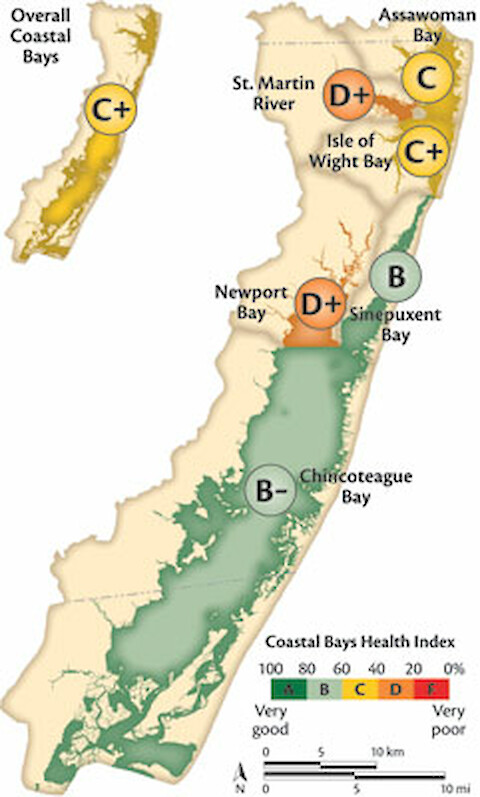
The report card gives the Maryland Coastal Bays a C-plus for ecosystem health in 2008. The study measured distinct differences in ecosystem health throughout the shallow bays behind Ocean City and Assateague, with southern regions such as Chincoteague Bay ranking higher than western tributaries such as the St. Martin River and Newport Bay. The Coastal Bays Report Card provides a scientifically robust – and geographically detailed –assessment of ecosystem health.