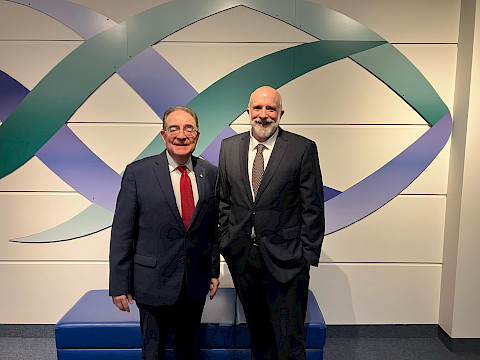
On 27 April 2023, University System of Maryland Jay Perman announced that I would be serving as Interim President of the University of Maryland Center for Environmental Science (UMCES) at an event held at the Institute of Marine and Environmental Science in Baltimore, MD. Following the Chancellor’s announcement, I made the following remarks: Thank you Chancellor Perman.
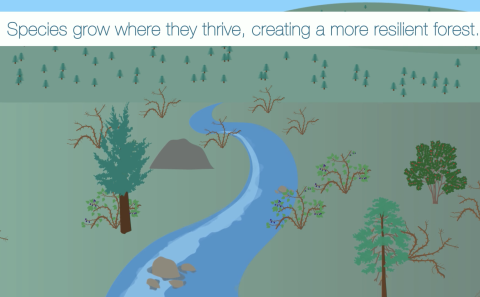
The Rogue River Watershed Council (RRWC) uses a rehabilitation strategy called "Release & Recruit." This approach involves controlling noxious weeds with chemical and mechanical methods while preserving the existing and sprouting native plant community.
This past November, IAN, in collaboration with its partners from WWF, Audubon Southwest, and The University of Massachusetts Amherst published a socio-environmental health report card for the Upper Rio Grande. The report card covers a section of the Rio Grande that stretches from the river’s headwaters in the Colorado Rockies to Fort Quitman, TX. Project members cast a wide net to retrieve relevant data that would allow us to analyze the region's environmental, social, and economic conditions.
In early October, UMCES IAN hosted two Patuxent Stakeholder Listening Sessions as part of Phase 1 of developing a Patuxent River and Watershed Socio-environmental Report Card.
Anna Calderón, Nick An, Pheej Lauj (Pheng Lor), Lawren Caldwell, Sidney Anderson, and Lili Badri ·
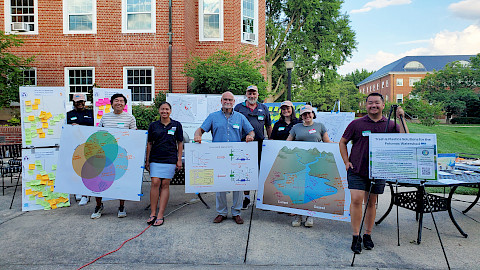
On a sunny Thursday in July, over 40 community members throughout the greater Frederick County in Maryland participated in the very first Potomac Watershed Open House.
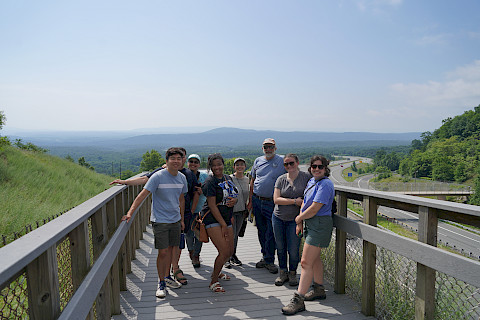
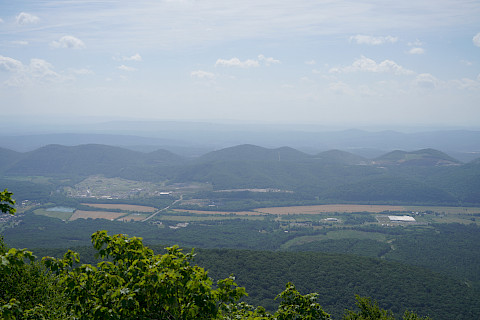
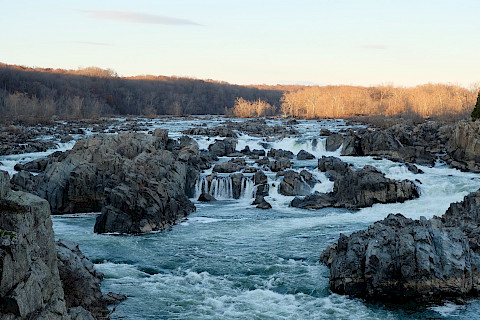
After attending the planning meeting for a community-engagement open house at Hood College, we set out on an adventure throughout the Upper Potomac. Traveling along the river, we visited several idyllic locations that play significant roles in the watershed’s ecosystem and function.
The COAST Card team spent the day learning about various locations in the Potomac River Watershed to provide a historical context for the environmental assessment of the region.
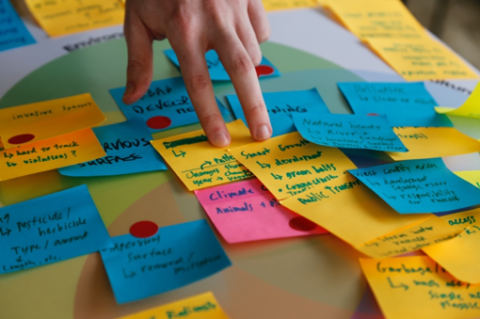
This past Wednesday, on June 15th, we had the opportunity to take our first step in utilizing the COAST (Coastal Ocean Assessment for Sustainability and Transformation) Card framework on the Potomac watershed at Hood College in Frederick County.