"How fast can you create and complete a newsletter? In Rio, you only have until tomorrow" (Portuguese translation by João Paulo Coimbra) Depois do nosso primeiro workshop com as partes interessadas no INEA na segunda-feira, 25 de Abril, Bill Dennison, Dave Nemazie e eu tivemos que nos preparar para nosso workshop mais abrangente com 200 pessoas na sexta-feira, 29 de Abril, no Museu do Amanhã.
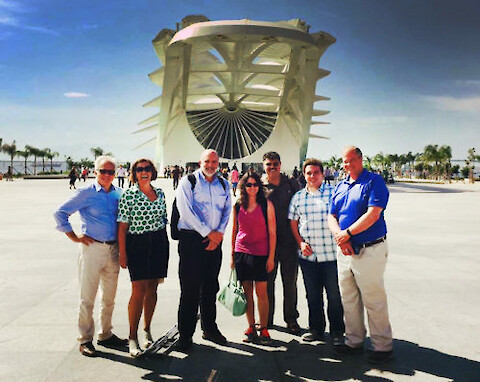
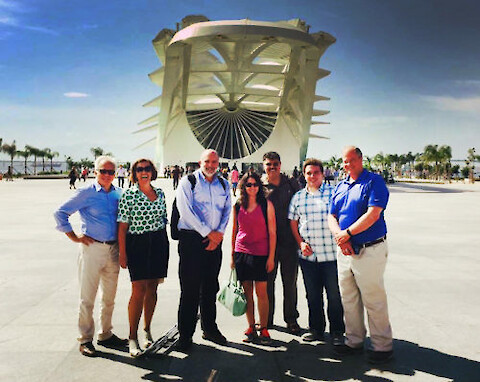
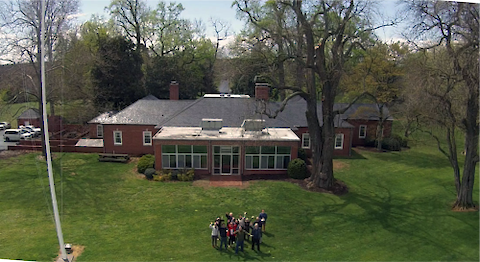
After our first stakeholder workshop at INEA on Monday April 25th, Bill Dennison, Dave Nemazie, and I had to prepare for our expanded workshop of 200 people on Friday April 29th, at the Museum of Tomorrow. This meeting brought together stakeholders from all around Guanabara Bay, and served to not only discuss the report card, but also to talk about governance, management, and restoration in the Bay. The team outside the Museum of Tomorrow. Participants at the workshop.
"Welcome to Rio! The Guanabara Bay first stakeholder workshop" (Portuguese translation by João Paulo Coimbra) O Rio de Janeiro é um estado brasileiro com cidades vibrantes (incluindo a cidade de mesmo nome) vizinhas à zona costeira da Baía de Guanabara e o Oceano Atlântico. A Baía de Guanabara é um sistema intensamente degradado em virtude da grande população, relacionada com a poluição por lixo e esgotos.
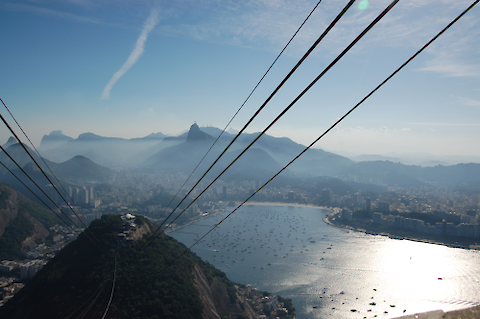
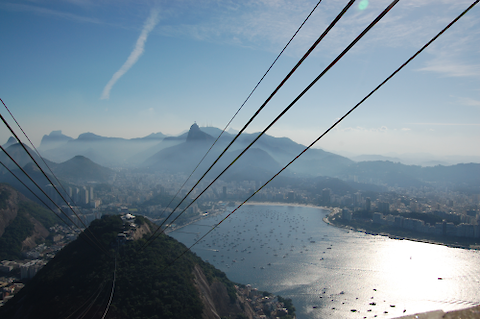
Rio de Janeiro is a Brazilian State with vibrant cities (including the one with the same name) along the shore of Guanabara Bay and the Atlantic Ocean. Guanabara Bay is highly impacted system due to a large population leading to sewage and trash pollution. The State of Rio and State of Maryland have a partnership of learning between their similar bays, Guanabara Bay and Chesapeake Bay, in order to promote opportunities for restoration to achieve economic, social, and environmental benefits.
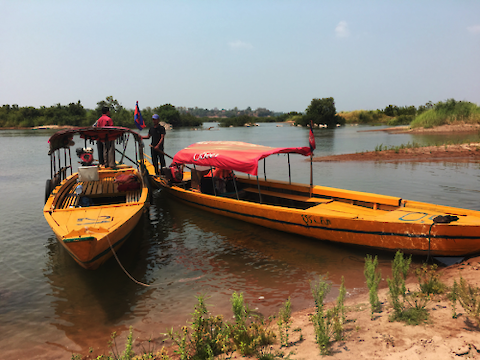
This blog is part of the Basin Report Card Initiative: a partnership between the World Wildlife Fund (WWF) and the University of Maryland Center for Environmental Science (UMCES) In March, Simon Costanzo and I traveled to Cambodia for the third workshop in the Linked Indicators for Vital Ecosystem Services (LIVES) Project, an initiative of the Luc Hoffman Institute. This five-day workshop brought us to the province of Kratie, a five-hour drive north of the capital, Phnom Penh.
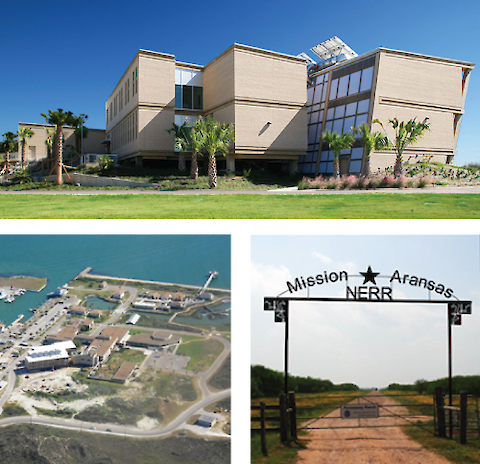
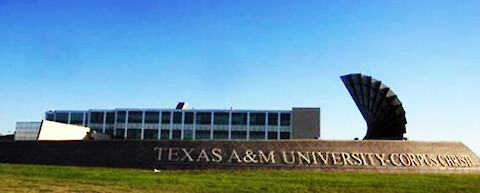
The Mission-Aransas National Estuarine Research Reserve Headquarters is located inside the The University of Texas at Austin Marine Science Institute Campus in Port Aransas, Texas. Credit: richterarchitect.com (top) and K. Dunton/missionaransas.org (bottom) On April 27-28 I participated in another workshop related (indirectly) to the Texas Coast Report Card Pilot Project at Harte Research Institute in Corpus Christi Texas.
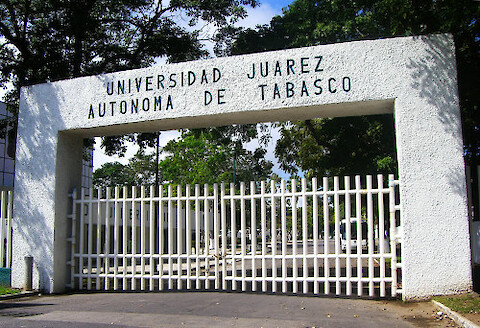
After the first EcoHealth metrics workshop for the Texas Coast pilot project, Bill Dennison and I shared a shuttle to the airport with Porfirio Alvarez, from the University of Tabasco.
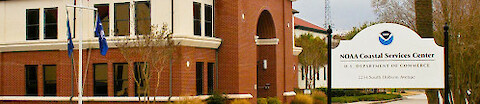
Caroline Donovan and I facilitated a mini-workshop in Charleston, South Carolina this week to advance the NOAA Coral Reef Monitoring Program Report Card Pilot projects in American Samoa and Florida. The meeting went very well – we had some difficult things to work out, and everyone came together to do just that.
This blog is part of the Basin Report Card Initiative: a partnership between the World Wildlife Fund (WWF) and the University of Maryland Center for Environmental Science (UMCES) Don Boesch and I had lunch with our World Wildlife Fund colleagues Carter Roberts and Tom Dillon recently. Carter asked a question that a) we couldn’t answer immediately, and b) stimulated me to think about what makes our partnership unique.
The long lost Gulf of Mexico Report Card project has been rekindled this week with a pilot project to create EcoHealth metrics for the Texas coast. We hope to scale this up to the rest of the Gulf next (including the parts in Mexico and Cuba).